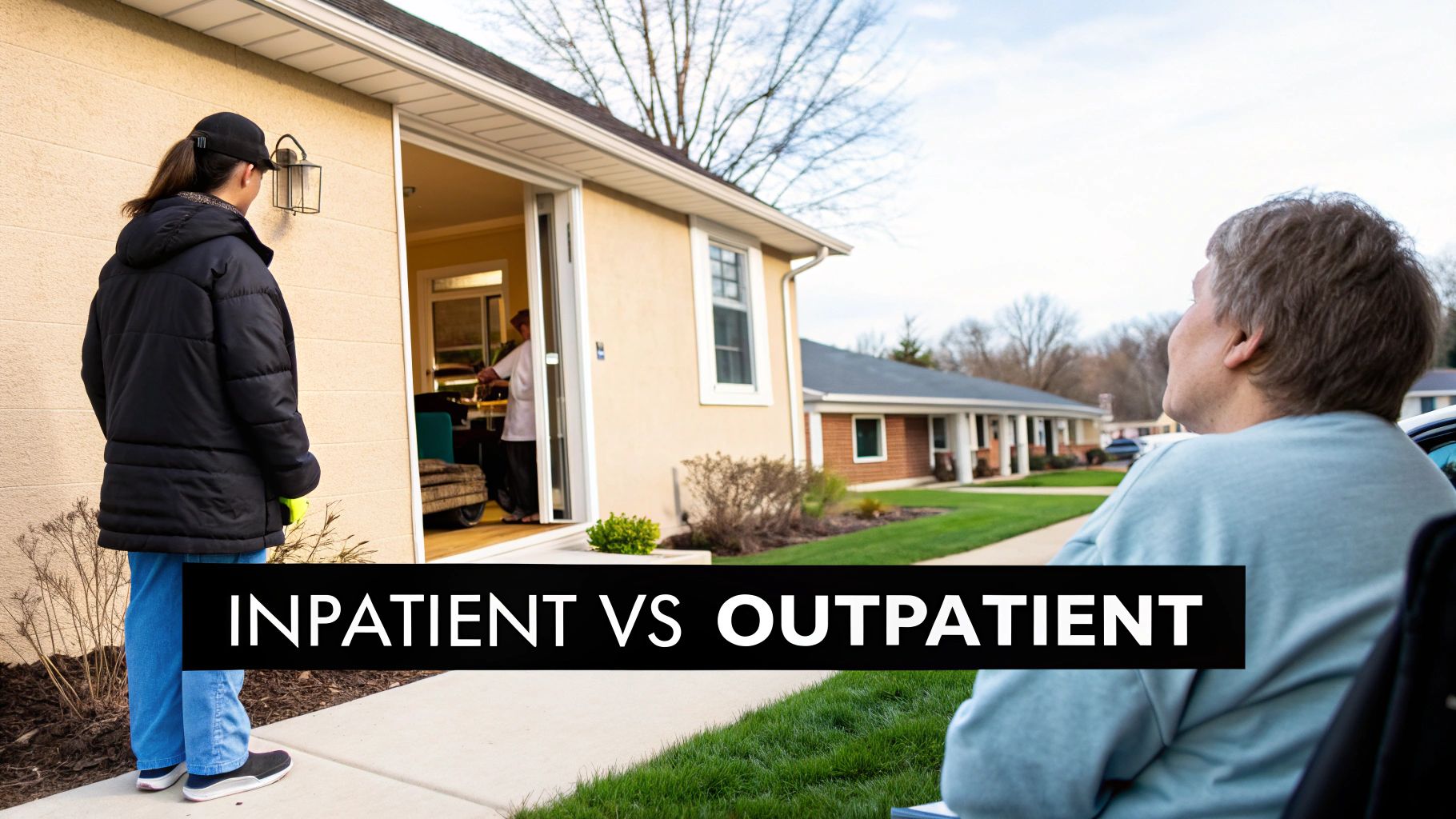
Choosing between inpatient and outpatient rehab in Michigan is an important decision for anyone seeking help with addiction. The right treatment setting can provide the structure, professional guidance, and mental health support needed to begin recovery. However, not everyone needs the same level of care. Some individuals benefit from living at a treatment facility with consistent supervision, while others can make progress through scheduled counseling and recovery services while remaining at home. Understanding how these options differ can help individuals and families make informed decisions based on safety, personal circumstances, and long-term recovery goals.
Understanding the Difference Between Inpatient and Outpatient Rehab
Both inpatient and outpatient rehab programs aim to help people address substance use and develop healthier ways to manage everyday challenges. The main difference is where treatment takes place and how much supervision and structure a person receives.
Inpatient rehab involves living at a treatment facility for a period of time. Outpatient rehab allows individuals to attend scheduled treatment sessions while continuing to live at home.
Neither option is automatically better. The appropriate choice depends on factors such as substance use history, withdrawal risks, mental health needs, previous treatment experiences, and the stability of the person’s home environment.
A professional assessment is an important starting point. It helps treatment providers understand the individual’s circumstances and recommend a suitable level of care.
When Inpatient Rehab in Michigan May Be the Right Choice
Inpatient rehab provides a structured environment where individuals can focus on recovery without managing all the pressures of everyday life at the same time. It may be recommended for people who need consistent supervision, intensive treatment, or distance from environments that contribute to substance use.
Benefits of Inpatient Addiction Treatment
One major advantage of inpatient care is the opportunity to establish a daily routine centered on recovery. Instead of facing familiar triggers and responsibilities without sufficient support, individuals receive treatment in an environment designed to promote stability.
Depending on the provider, inpatient services may include:
- Individual counseling and group therapy.
- Mental health assessments and treatment.
- Recovery education and relapse prevention.
- Structured daily activities.
- Family counseling when appropriate.
- Coordination with medical professionals.
- Discharge planning and referrals for continuing care.
The residential setting can also provide opportunities to build relationships with peers who understand the difficulties of addiction. Group sessions encourage individuals to share experiences, practice communication skills, and learn from others working toward recovery.
Who May Benefit From Inpatient Rehab?
Inpatient treatment may be worth considering when someone:
- Has difficulty stopping substance use without structured support.
- Has experienced repeated relapses or unsuccessful treatment attempts.
- Lives in an environment where substances are readily available.
- Needs more consistent clinical supervision.
- Has co-occurring mental health concerns requiring coordinated care.
- Needs time away from stressful circumstances to focus on treatment.
The need for inpatient care should be determined through a qualified assessment. Individuals who may experience dangerous withdrawal symptoms should receive medical evaluation before attempting to stop using substances. Some withdrawal conditions require medical supervision and should never be managed without appropriate care.
When Outpatient Rehab in Michigan May Be Appropriate
Outpatient rehab offers professional addiction treatment without requiring individuals to live at a facility. Clients attend scheduled appointments and return home afterward.
This option can work well for people who have a sufficiently stable living environment and do not require residential supervision. It may also provide a way to continue treatment after completing an inpatient program.
Benefits of Outpatient Addiction Treatment
One advantage of outpatient care is that individuals can practice recovery skills in their everyday surroundings. They may continue working, attending school, caring for children, or meeting other responsibilities while receiving professional support.
Depending on the program, outpatient treatment may include:
- Individual therapy.
- Group counseling.
- Family therapy.
- Mental health services.
- Relapse prevention planning.
- Recovery education.
- Referrals to additional medical or community support.
Outpatient programs vary in intensity. Some involve several treatment sessions each week, while others provide less frequent appointments. Intensive outpatient services may offer a more structured schedule for individuals who do not require residential care.
Who May Benefit From Outpatient Rehab?
Outpatient treatment may be suitable for individuals who:
- Have completed inpatient treatment and need continued support.
- Have a stable and supportive home environment.
- Can attend scheduled sessions consistently.
- Do not require round-the-clock supervision.
- Can manage daily responsibilities while following a recovery plan.
However, convenience should not be the only consideration. If someone is at significant risk of withdrawal complications, continues to use substances in unsafe circumstances, or cannot maintain stability outside a treatment setting, a higher level of care may be necessary.
Why Mental Health Treatment Matters in Both Settings
Addiction and mental health are closely connected. Depression, anxiety, trauma, and other psychological concerns can influence substance use. Likewise, ongoing substance use can contribute to emotional distress and make existing mental health symptoms more difficult to manage.
For this reason, families comparing inpatient and outpatient rehab in Michigan should ask how each program addresses mental health.
Understanding Co-Occurring Disorders
A co-occurring disorder refers to the presence of both a substance use disorder and a mental health condition. These concerns can affect one another, making coordinated treatment important.
For example, someone experiencing anxiety may rely on alcohol to feel more comfortable in social situations. Although alcohol may seem to provide temporary relief, repeated use can create additional problems and make anxiety harder to manage.
Treatment may include individual counseling, cognitive behavioral therapy, psychiatric evaluation, medication management when appropriate, and other clinically recommended services.
The goal is to help individuals understand the factors contributing to substance use while developing healthier ways to respond to emotional challenges.
Ask Whether Treatment Plans Include Mental Health Support
When comparing rehab providers, ask whether mental health assessments are included and whether qualified professionals are available to address co-occurring conditions. Find out how providers coordinate addiction treatment with psychiatric or psychological care.
A program should consider the individual’s overall needs rather than focusing exclusively on stopping substance use.
The Importance of Individualized Addiction Treatment
Every person’s experience with addiction is different. Factors such as family history, physical health, trauma, relationships, financial circumstances, and previous treatment experiences can influence recovery.
An individualized treatment plan accounts for these differences. It should be developed after a thorough assessment and reviewed as the person’s needs change.
What Should an Individualized Plan Include?
A suitable treatment plan may address:
- The substance or substances involved.
- Physical health and withdrawal concerns.
- Mental health conditions and emotional needs.
- Personal recovery goals.
- Family relationships and support systems.
- Recommended therapies and treatment intensity.
- Continuing care after formal treatment.
Families should ask how often treatment plans are reviewed and how clients participate in decisions about their care. Individuals should understand why particular services are recommended and what progress may involve.
Exploring Holistic and Faith-Based Recovery Approaches
Some addiction treatment programs include services that support physical, emotional, and spiritual well-being alongside clinical treatment.
These approaches may include mindfulness, exercise, nutrition education, creative activities, spiritual counseling, or other supportive practices. They can help individuals develop healthier routines and find meaningful ways to manage stress.
For people whose personal beliefs are important to their recovery, faith-based support may also provide encouragement, purpose, and a sense of community.
However, these services should complement appropriate medical care and evidence-based addiction treatment. They should not replace professional assessment, counseling, or necessary mental health services.
When comparing programs, ask which additional services are offered, who provides them, and how they fit into the overall treatment plan.
Questions to Ask Before Choosing a Rehab Program in Michigan
Selecting a treatment provider requires more than comparing program descriptions. Families should understand the quality of care, staff qualifications, costs, and services available after treatment.
Consider asking these questions:
Questions About Clinical Care
- Is the facility licensed to provide the advertised services?
- What qualifications and credentials do treatment professionals hold?
- Is medical support available when needed?
- How are withdrawal symptoms and emergencies managed?
- Does the program address co-occurring mental health conditions?
- How are individual treatment plans developed and updated?
Questions About Practical Arrangements
- How long does treatment typically last?
- What does the daily schedule involve?
- Are family counseling or education services available?
- Does the program accept insurance?
- What expenses may not be covered?
- What support is available after discharge?
Clear answers help families understand what to expect and determine whether a program is appropriate for their circumstances. Ask for written information about costs, policies, and insurance coverage whenever possible.
Why Continuing Care Matters After Rehab
Completing inpatient or outpatient treatment is an important accomplishment, but recovery does not end when a formal program finishes. Returning to everyday life can introduce stress, social pressure, and situations connected to previous substance use.
A strong continuing care plan helps individuals maintain progress and respond to challenges before they become overwhelming.
Aftercare may involve ongoing counseling, peer recovery groups, mental health appointments, family support, and referrals to community resources. It should also include relapse prevention strategies tailored to the individual’s needs.
For someone completing inpatient rehab, outpatient treatment may provide a practical next step. Others may benefit from continued counseling or additional support services as they rebuild their routines.
Families can contribute by encouraging healthy habits, respecting treatment recommendations, maintaining reasonable boundaries, and recognizing progress without expecting perfection.
Making an Informed Decision About Addiction Treatment in Michigan
Choosing between inpatient and outpatient rehab in Michigan does not have to be a decision made through guesswork. Both treatment options can support recovery when they match the individual’s clinical needs and personal circumstances.
Inpatient care may offer the structure and supervision needed by people facing more complex challenges. Outpatient treatment can provide ongoing professional support while allowing individuals to maintain suitable daily responsibilities. In either setting, mental health services, individualized planning, and continuing care are important considerations.
If you or someone you love is struggling with addiction, consider starting with a professional assessment. Ask questions, compare available services, and discuss which level of care offers the safest and most appropriate path forward. Reaching out for help is not a sign of failure. It is a practical first step toward better health, stronger relationships, and a more stable future.