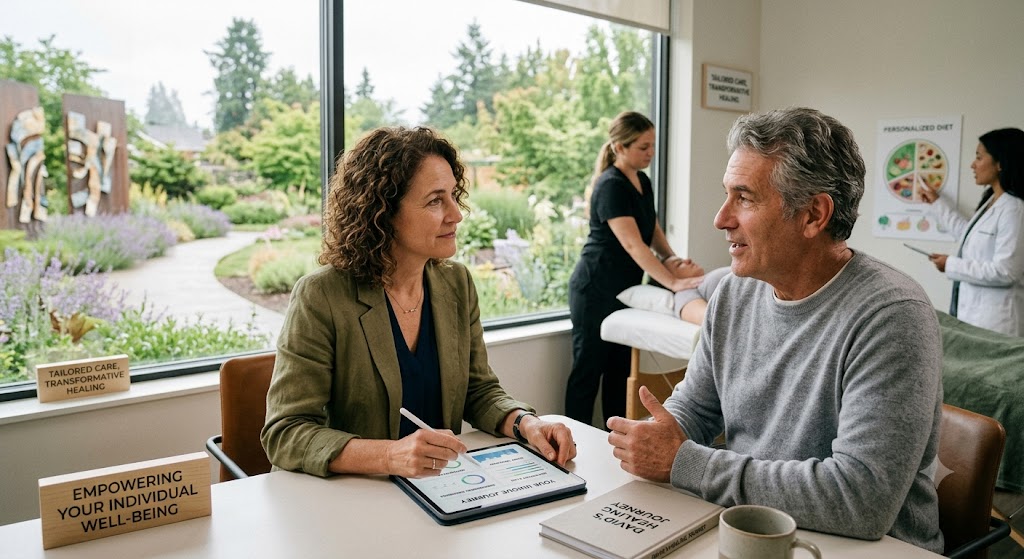
For many people across Michigan, addiction is much more than a struggle with alcohol or drugs. It is often closely connected to emotional pain, unresolved trauma, chronic stress, or untreated mental health conditions. While substance use can temporarily numb difficult emotions, it rarely solves the underlying problem. Instead, it often creates new challenges that affect physical health, relationships, careers, and overall quality of life. Fortunately, recovery is possible. With compassionate treatment, individualized care, and a commitment to healing the whole person, individuals can move beyond addiction and begin building healthier, more fulfilling lives.
Understanding Addiction Beyond Substance Use
Addiction is a chronic medical condition that changes how the brain processes reward, decision making, and self control. It is not a sign of weakness or a lack of character. People from every age group, profession, and community in Michigan can develop a substance use disorder.
Although every recovery journey is unique, many people share one common experience. Addiction often develops alongside emotional struggles that have never been fully addressed.
The Connection Between Mental Health and Addiction
Mental health disorders and addiction frequently occur together. Anxiety, depression, post traumatic stress, grief, and chronic stress can all increase the risk of substance misuse. Likewise, long term substance use can worsen existing mental health symptoms and make emotional recovery even more difficult.
This is why comprehensive treatment focuses on both conditions at the same time. Treating addiction without addressing mental health leaves important parts of the healing process unfinished.
Recognizing When Professional Help Is Needed
Many individuals delay seeking treatment because they believe they should be able to manage addiction on their own. Others may not realize how much substance use has affected their daily lives until relationships, work, or health begin to suffer.
Common Warning Signs
Some of the most common indicators that professional treatment may be beneficial include:
- Using alcohol or drugs more frequently than intended.
- Feeling unable to stop despite negative consequences.
- Withdrawing from family members or close friends.
- Experiencing mood swings, anxiety, or depression.
- Losing interest in hobbies or responsibilities.
- Developing tolerance or experiencing withdrawal symptoms.
Recognizing these signs early allows individuals to receive support before addiction becomes even more difficult to manage.
Personalized Treatment Creates Better Outcomes
No two people experience addiction in exactly the same way. Effective recovery programs understand this and develop individualized treatment plans based on each person’s medical history, mental health needs, personal goals, and recovery progress.
Inpatient Treatment for Focused Healing
Inpatient treatment offers a highly structured environment where individuals can focus entirely on recovery. Professional staff provide medical supervision, counseling, behavioral therapy, and emotional support while helping clients establish healthy routines.
For people facing severe addiction or unstable living situations, inpatient care often provides the safest and most supportive starting point.
Outpatient Programs That Support Everyday Life
Outpatient treatment allows individuals to receive professional care while continuing to work, attend school, or care for their families. Therapy sessions, group counseling, relapse prevention education, and mental health services help clients build practical recovery skills while remaining connected to daily life.
Many people transition from inpatient care into outpatient treatment as they continue progressing through recovery.
Healing the Whole Person Through Holistic Care
Recovery involves much more than achieving sobriety. It also means restoring physical health, emotional balance, healthy relationships, and personal purpose.
Holistic Therapies Promote Lasting Wellness
Holistic treatment approaches complement evidence based therapies by supporting overall well-being. Many recovery programs incorporate services such as:
Mindfulness and meditation
These techniques help reduce stress, improve emotional awareness, and strengthen healthy coping skills.
Nutrition and physical wellness
Proper nutrition and regular exercise support physical recovery while improving mood, energy, and resilience.
Creative and recreational therapies
Art, music, outdoor activities, and other therapeutic experiences encourage self expression while helping individuals rediscover interests that support a healthier lifestyle.
These holistic services often improve treatment engagement while helping individuals build habits that continue supporting recovery long after formal treatment ends.
Faith Based Support Provides Hope for Many Individuals
For some people, spiritual growth becomes an important part of healing. Faith based recovery programs provide encouragement, guidance, and a renewed sense of purpose while respecting each person’s individual beliefs.
When combined with clinical treatment and mental health care, spiritual support can strengthen resilience and help individuals remain focused during difficult moments.
Recovery Continues After Treatment Ends
Completing a treatment program is a major achievement, but recovery continues long after discharge. Lasting sobriety depends on ongoing support, healthy routines, and strong community connections.
Aftercare Builds Long Term Success
Aftercare services often include continued counseling, peer support groups, alumni programs, relapse prevention planning, and recovery coaching. These resources help individuals navigate life’s challenges while remaining committed to their recovery goals.
Family education and counseling also play an important role by helping loved ones understand addiction, improve communication, and rebuild trust throughout the recovery journey.
The Path Forward Begins Today
Being addicted in Michigan does not define a person’s future. Every day, individuals and families find hope through compassionate treatment, evidence based care, holistic healing, and personalized recovery programs that address the whole person.
If you or someone you love is living with addiction, reaching out for professional help can be the first step toward lasting change. With the right combination of addiction treatment, mental health support, and ongoing encouragement, recovery becomes more than a possibility. It becomes the beginning of a healthier, stronger, and more meaningful life.