
Youth Recovery Reimagined: Holistic and Evidence-Based Programs in Michigan

Addiction among young people in Michigan is a serious issue that requires innovative and compassionate solutions. Teens and young adults often face unique pressures including academic demands, social challenges, and mental health concerns. In response, Michigan has developed a range of holistic and evidence-based recovery programs designed to address these challenges, providing youth with the tools to overcome addiction and achieve long-term wellness.

Understanding the Needs of Youth in Recovery

Young people in recovery have distinct developmental, emotional, and social needs. Adolescence and early adulthood are critical periods for brain development, decision-making, and identity formation. Substance use during these stages can disrupt growth and increase vulnerability to mental health challenges such as depression, anxiety, and trauma. Effective programs acknowledge these complexities and offer treatment that is both individualized and evidence-based.

Integrating Mental Health and Addiction Treatment

Many youth in Michigan struggle with co-occurring mental health conditions. Recovery programs integrate therapy, counseling, and psychiatric support to address both substance use and underlying mental health concerns. Individual therapy helps teens process emotions, while group sessions foster peer connection and accountability. Family therapy is often included, equipping parents and caregivers with strategies to support their child’s recovery and strengthen family bonds.

Inpatient and Outpatient Programs

Michigan provides both inpatient and outpatient treatment options to accommodate the diverse needs of youth. Inpatient programs offer structured, supportive environments with around-the-clock care, daily therapy sessions, and medical supervision. Outpatient programs allow teens to maintain school, work, and family commitments while participating in therapy, support groups, and holistic activities. Both settings incorporate creative therapies, mindfulness, and stress management techniques that promote overall well-being.

Holistic and Faith-Based Approaches

Holistic care focuses on treating the mind, body, and spirit. Michigan programs may include yoga, meditation, nutrition counseling, and fitness activities that help teens develop healthy habits and resilience. Faith-based programs provide spiritual guidance and community support, giving young people a sense of purpose and belonging that can enhance recovery outcomes. By addressing the whole person, these approaches support long-lasting change beyond the completion of a program.

Engaging Families and Communities

Recovery is most successful when teens have support from their families and communities. Michigan programs encourage family involvement through counseling, workshops, and ongoing support groups. Peer mentoring and community engagement initiatives provide safe spaces for young people to connect with others, practice sober living skills, and build strong, positive relationships that reinforce recovery.

Accessing Youth Recovery Services in Michigan

Families seeking treatment can access resources through the Michigan Department of Health and Human Services (MDHHS), local hospitals, mental health agencies, and specialized recovery centers. Peer-led support networks like Alateen and Young People in Recovery offer additional guidance, mentorship, and a sense of community, making the recovery journey more manageable and sustainable.

Practical Steps for Parents and Caregivers

  1. Watch for early signs of substance use, including changes in behavior or academic performance.
  2. Seek professional assessments from licensed addiction and mental health specialists.
  3. Explore programs that offer individualized care, holistic approaches, and family engagement.
  4. Encourage ongoing participation in community and peer support networks to reinforce positive change.

Conclusion

Michigan’s youth recovery programs are reimagining the approach to addiction treatment by combining evidence-based methods with holistic and faith-based support. By addressing the unique needs of young people, incorporating family involvement, and offering both inpatient and outpatient care, these programs provide a comprehensive pathway to healing. Families and caregivers are encouraged to take the first step today by reaching out to licensed recovery centers or local support networks. With the right guidance, young people can break free from addiction, build resilience, and embrace a healthier, brighter future.
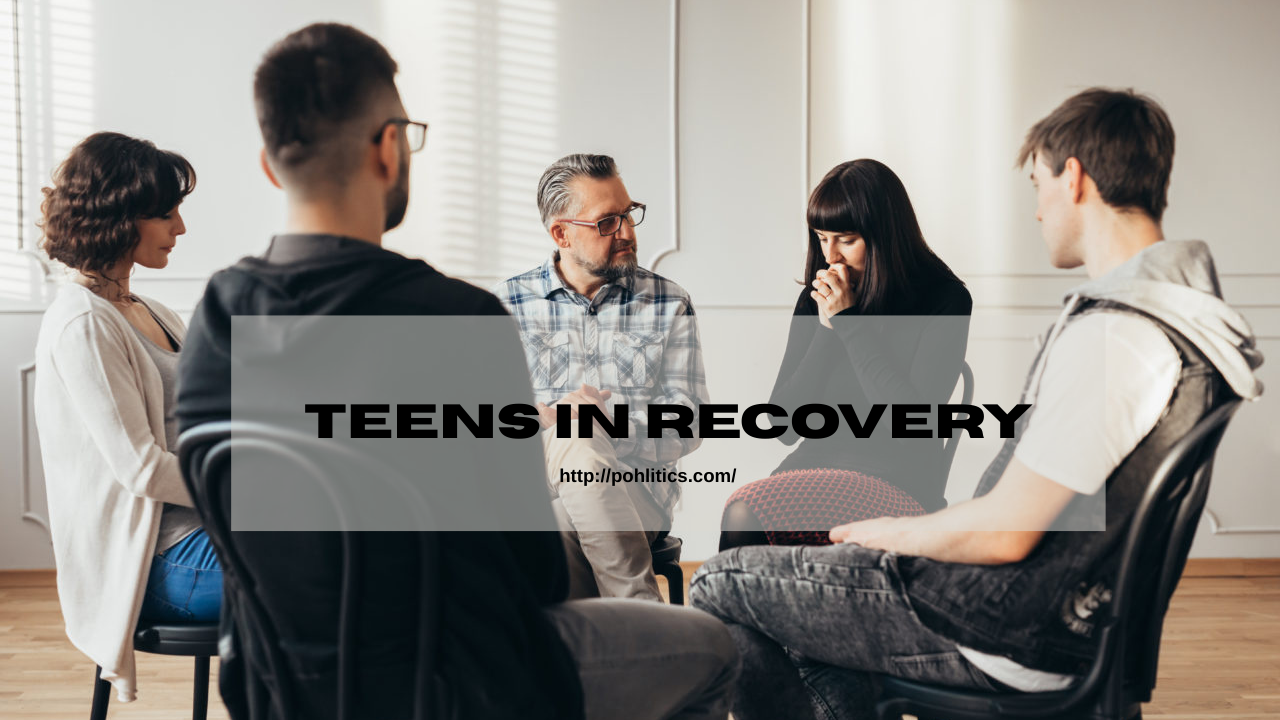
Michigan’s Lifeline: Teen Recovery Centers Changing Young Lives

Teen substance use remains a pressing concern in Michigan, but recovery centers across the state are providing a lifeline of hope and healing. Adolescence is a critical stage of growth, and when drugs or alcohol enter the picture, it can disrupt emotional development, education, and mental health. Michigan’s teen recovery centers are stepping in with compassionate, evidence-based, and holistic care that gives young people the tools to overcome addiction and reclaim their futures.

The Unique Needs of Teens in Recovery

Teenagers experience recovery differently than adults. Their brains are still developing, and they often face overwhelming academic, social, and family pressures. Many teens also struggle with co-occurring mental health conditions such as depression, anxiety, or trauma. Recovery programs that address both substance use and mental health challenges provide the most effective path toward long-term healing.

Mental Health Support as a Cornerstone

Teen recovery centers in Michigan prioritize integrated mental health care. Licensed therapists and counselors work one-on-one with teens to address underlying emotional struggles while teaching coping mechanisms for stress and peer pressure. Group counseling gives teens the chance to connect with others who understand their journey, while family therapy strengthens communication and rebuilds trust at home.

Inpatient and Outpatient Treatment Options

Michigan offers both inpatient and outpatient recovery services tailored to the needs of teens. Inpatient programs provide a structured environment with 24-hour supervision, medical oversight, and daily therapy sessions. Outpatient programs allow teens to remain in school and stay connected with their families while attending scheduled therapy and support groups. Both approaches are complemented by holistic therapies such as mindfulness practices, art therapy, and recreational activities that encourage healthy expression and resilience.

Holistic and Faith-Based Approaches

Many Michigan recovery centers embrace holistic and faith-based methods that help teens heal beyond the surface. Holistic care includes nutrition counseling, yoga, exercise, and stress management techniques that strengthen mind and body. Faith-based programs provide spiritual guidance and community support, offering a sense of purpose and belonging that can be vital to recovery.

Engaging Families and Communities

Recovery cannot happen in isolation. Families are encouraged to participate in therapy sessions, educational workshops, and peer support groups that prepare them to be active partners in their teen’s healing journey. Communities also play a vital role, with mentoring programs, peer networks, and safe recreational spaces helping teens stay engaged, supported, and motivated in their recovery.

Accessing Teen Recovery Centers in Michigan

Finding the right treatment program begins with knowing where to look. Families can connect with resources through the Michigan Department of Health and Human Services (MDHHS), local hospitals, and specialized recovery organizations. Peer-led programs like Alateen and Young People in Recovery also provide guidance, mentorship, and a supportive network of peers who understand the challenges of addiction firsthand.

Practical Steps for Parents and Caregivers

  1. Recognize the early warning signs of substance use, such as sudden mood changes or academic decline.
  2. Seek professional assessments from licensed addiction and mental health providers.
  3. Explore treatment options that offer individualized care, family involvement, and holistic support.
  4. Encourage ongoing participation in community support programs to reinforce recovery.

Conclusion

Teen recovery centers in Michigan are transforming lives by offering personalized, holistic, and compassionate care that meets young people where they are. By addressing mental health needs, involving families, and providing both inpatient and outpatient options, these programs create a strong foundation for lasting recovery. If your family is facing the challenges of teen substance use, now is the time to reach out. Michigan’s recovery centers are ready to provide the lifeline of support your teen needs to heal, grow, and thrive.

Building Resilience: Michigan’s Resources for Young Adults Battling Addiction

Building Resilience: Michigan’s Resources for Young Adults Battling Addiction

Young adults in Michigan are facing unprecedented challenges when it comes to substance use and addiction. This age group often struggles with balancing education, career pressures, and personal growth, which can increase vulnerability to alcohol, drugs, and other addictive behaviors. Recognizing these unique needs, Michigan has developed a comprehensive network of recovery services designed to help young adults build resilience and reclaim their lives through compassionate, individualized care.

Understanding the Needs of Young Adults in Recovery

Young adulthood is a critical period for brain development, social identity formation, and emotional regulation. Substance use during this stage can disrupt these processes and lead to long-term health, academic, and social consequences. Recovery programs that understand the developmental, psychological, and social needs of young adults provide more effective, lasting support.

Integrating Mental Health and Addiction Services

Effective recovery programs address both addiction and underlying mental health challenges. Many young adults face co-occurring conditions such as anxiety, depression, or trauma. Michigan programs offer integrated care, including individual therapy, group counseling, and psychiatric support. Family therapy is also emphasized to strengthen relationships, enhance communication, and create a supportive home environment that reinforces recovery goals.

Inpatient and Outpatient Treatment Options

Michigan offers a range of treatment settings tailored to young adults. Inpatient programs provide structured environments with round-the-clock support, medical oversight, and therapeutic activities. Outpatient programs allow young adults to maintain school, work, and social responsibilities while participating in regular counseling and support sessions. Both types of programs often incorporate creative therapies, mindfulness, and holistic practices that address the mind, body, and spirit.

Holistic and Faith-Based Approaches

Many Michigan recovery programs integrate holistic and faith-based approaches to support comprehensive healing. Holistic methods may include yoga, meditation, nutrition counseling, and exercise programs that help young adults develop healthy routines and coping strategies. Faith-based programs provide spiritual guidance and community support, helping individuals find purpose, build resilience, and foster a sense of belonging.

Engaging Families and Communities

Family and community involvement significantly enhance recovery outcomes. Michigan programs encourage parental and caregiver participation through workshops, counseling sessions, and support groups. Community programs and peer mentoring provide safe, structured environments where young adults can connect with positive role models and peers who understand their challenges and reinforce healthy behaviors.

Accessing Recovery Resources in Michigan

Families and young adults can access treatment services through the Michigan Department of Health and Human Services (MDHHS), local hospitals, community mental health centers, and specialized recovery organizations. Peer support networks, including Young People in Recovery and SMART Recovery meetings, offer additional guidance and foster a sense of community that strengthens resilience.

Practical Steps for Families and Caregivers

  1. Identify early signs of substance use and seek professional guidance promptly.
  2. Consult with licensed addiction and mental health specialists to assess needs.
  3. Select programs that offer individualized care plans, family involvement, and holistic support.
  4. Encourage participation in community and peer support networks to reinforce recovery and healthy coping skills.

Conclusion

Michigan provides young adults with a wealth of resources to combat addiction and build resilience. By combining individualized treatment, mental health support, holistic and faith-based approaches, and family and community engagement, these programs equip young adults to reclaim their lives and thrive. Families and caregivers are encouraged to take the first step today by reaching out to licensed recovery centers or community support programs. Early intervention, compassionate care, and a strong support system can transform challenges into opportunities for lasting recovery and a healthier future.

Next Generation Recovery: Tailored Treatment for Michigan’s Young People

Addiction among teens and young adults is a growing concern in Michigan, but the state is also leading the way with innovative recovery programs that meet the specific needs of young people. Adolescents and early adults face unique challenges, from identity development to academic pressures, which can make them vulnerable to substance use. By offering treatment options that are compassionate, personalized, and forward-thinking, Michigan is helping its younger population break free from addiction and step confidently into a healthier future.

Understanding the Needs of Young People in Recovery

Recovery for young people looks different than it does for adults. Adolescents are still forming their sense of self and often deal with co-occurring mental health issues like depression, anxiety, or trauma. Programs that take these factors into account provide better outcomes by offering treatment that combines clinical expertise with age-appropriate guidance and support.

Mental Health and Addiction Care

Successful youth recovery programs recognize the importance of integrating mental health treatment alongside addiction support. Therapy sessions—both individual and group—help young people develop coping skills, emotional awareness, and resilience. Family counseling is often included, since strengthening family bonds can reduce relapse risks and create a stable environment for continued healing.

Inpatient and Outpatient Options

Michigan offers a variety of treatment settings tailored for young people. Inpatient programs provide a structured environment where youth receive continuous care, medical oversight, and access to therapeutic activities. Outpatient programs, on the other hand, allow young people to continue attending school or work while participating in regular therapy and peer support sessions. This flexibility ensures that recovery can align with the demands of everyday life.

Holistic and Faith-Based Approaches

Tailored recovery for young people often goes beyond traditional therapy. Many programs in Michigan incorporate holistic practices such as yoga, mindfulness training, art therapy, and fitness programs that promote overall well-being. Faith-based programs offer spiritual guidance and community support, which can be particularly valuable for young people searching for meaning, strength, and direction during recovery.

The Role of Families and Communities

Addiction recovery does not happen in isolation. Families play an essential role in supporting young people, and many Michigan programs actively encourage family involvement through workshops, counseling, and education. Community organizations and peer groups, such as Young People in Recovery or Alateen, provide safe, judgment-free spaces for youth to share experiences and build strong support networks.

Accessing Youth Recovery Resources in Michigan

Finding the right treatment program can feel overwhelming, but Michigan provides many pathways to help families get started. The Michigan Department of Health and Human Services (MDHHS) offers resources and directories to locate specialized programs. Local recovery centers, hospitals, and schools are also valuable starting points for parents seeking professional guidance.

Steps for Parents and Caregivers

  1. Recognize early signs of substance use and seek help quickly.
  2. Consult with qualified professionals to assess both mental health and addiction needs.
  3. Look for programs that combine individualized care, family involvement, and holistic support.
  4. Use community and peer resources to reinforce recovery outside of treatment.

Conclusion

Michigan’s youth-focused recovery programs are designed with the future in mind. By providing tailored care that addresses mental health, incorporates holistic and faith-based approaches, and engages families and communities, the state is building a stronger foundation for long-term recovery. If you are a parent, caregiver, or young person seeking help, now is the time to take the first step. Support is available, and with compassionate guidance, Michigan’s young people can move beyond addiction toward a healthier and more hopeful tomorrow.