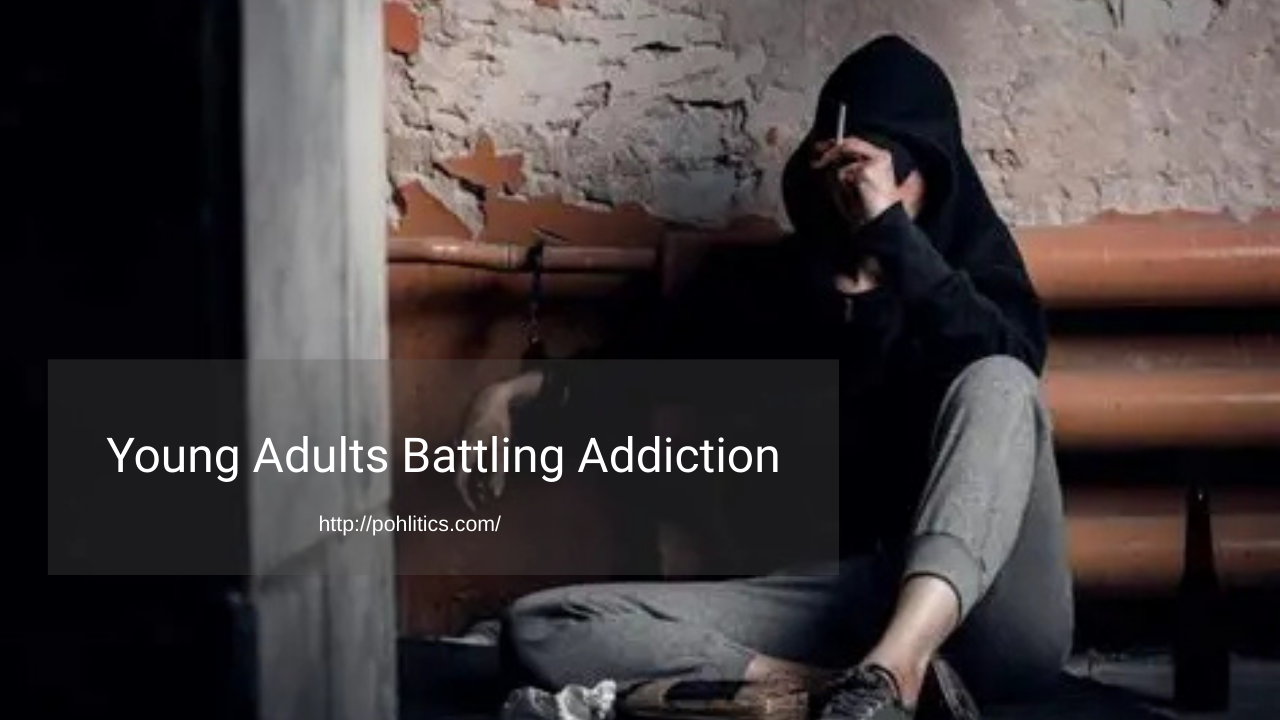
Building Resilience: Michigan’s Resources for Young Adults Battling Addiction
Young adults in Michigan are facing unprecedented challenges when it comes to substance use and addiction. This age group often struggles with balancing education, career pressures, and personal growth, which can increase vulnerability to alcohol, drugs, and other addictive behaviors. Recognizing these unique needs, Michigan has developed a comprehensive network of recovery services designed to help young adults build resilience and reclaim their lives through compassionate, individualized care.
Understanding the Needs of Young Adults in Recovery
Young adulthood is a critical period for brain development, social identity formation, and emotional regulation. Substance use during this stage can disrupt these processes and lead to long-term health, academic, and social consequences. Recovery programs that understand the developmental, psychological, and social needs of young adults provide more effective, lasting support.
Integrating Mental Health and Addiction Services
Effective recovery programs address both addiction and underlying mental health challenges. Many young adults face co-occurring conditions such as anxiety, depression, or trauma. Michigan programs offer integrated care, including individual therapy, group counseling, and psychiatric support. Family therapy is also emphasized to strengthen relationships, enhance communication, and create a supportive home environment that reinforces recovery goals.
Inpatient and Outpatient Treatment Options
Michigan offers a range of treatment settings tailored to young adults. Inpatient programs provide structured environments with round-the-clock support, medical oversight, and therapeutic activities. Outpatient programs allow young adults to maintain school, work, and social responsibilities while participating in regular counseling and support sessions. Both types of programs often incorporate creative therapies, mindfulness, and holistic practices that address the mind, body, and spirit.
Holistic and Faith-Based Approaches
Many Michigan recovery programs integrate holistic and faith-based approaches to support comprehensive healing. Holistic methods may include yoga, meditation, nutrition counseling, and exercise programs that help young adults develop healthy routines and coping strategies. Faith-based programs provide spiritual guidance and community support, helping individuals find purpose, build resilience, and foster a sense of belonging.
Engaging Families and Communities
Family and community involvement significantly enhance recovery outcomes. Michigan programs encourage parental and caregiver participation through workshops, counseling sessions, and support groups. Community programs and peer mentoring provide safe, structured environments where young adults can connect with positive role models and peers who understand their challenges and reinforce healthy behaviors.
Accessing Recovery Resources in Michigan
Families and young adults can access treatment services through the Michigan Department of Health and Human Services (MDHHS), local hospitals, community mental health centers, and specialized recovery organizations. Peer support networks, including Young People in Recovery and SMART Recovery meetings, offer additional guidance and foster a sense of community that strengthens resilience.
Practical Steps for Families and Caregivers
- Identify early signs of substance use and seek professional guidance promptly.
- Consult with licensed addiction and mental health specialists to assess needs.
- Select programs that offer individualized care plans, family involvement, and holistic support.
- Encourage participation in community and peer support networks to reinforce recovery and healthy coping skills.
Conclusion
Michigan provides young adults with a wealth of resources to combat addiction and build resilience. By combining individualized treatment, mental health support, holistic and faith-based approaches, and family and community engagement, these programs equip young adults to reclaim their lives and thrive. Families and caregivers are encouraged to take the first step today by reaching out to licensed recovery centers or community support programs. Early intervention, compassionate care, and a strong support system can transform challenges into opportunities for lasting recovery and a healthier future.