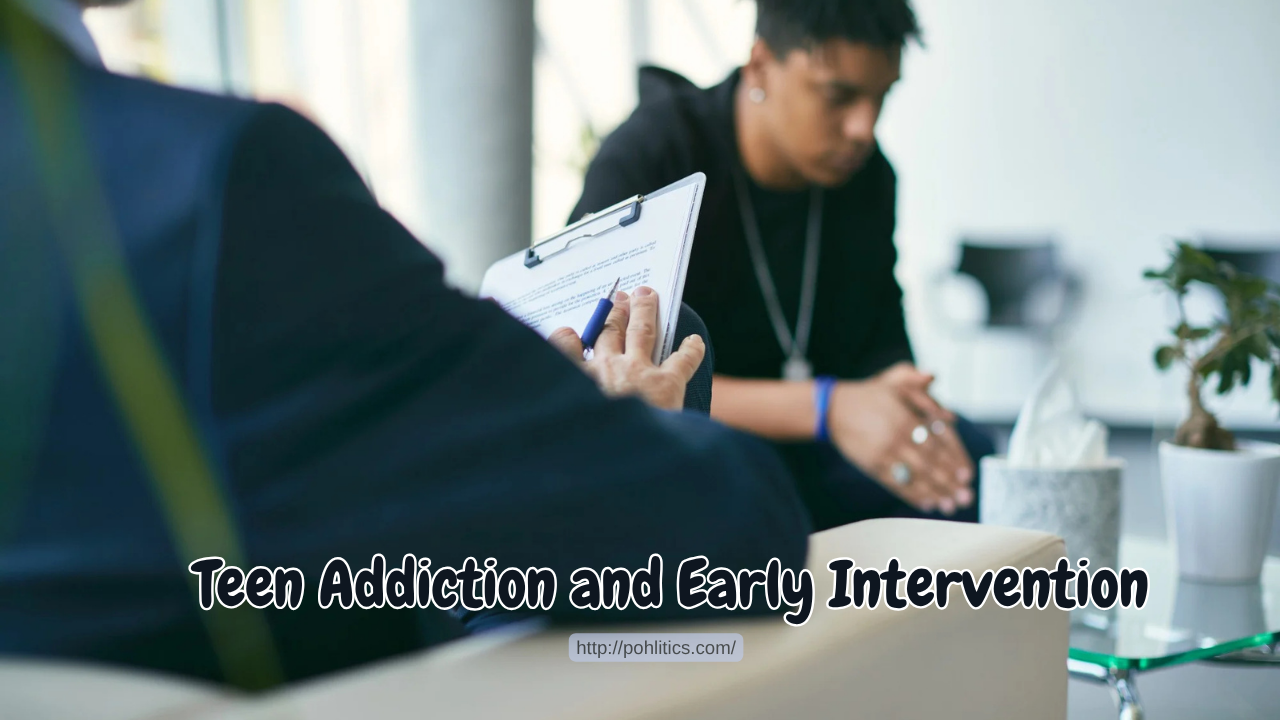
Addiction among teens and young adults in Michigan is a growing concern, but families now have access to innovative, evidence-based treatment programs designed to address their unique needs. Adolescence is a pivotal time for emotional, social, and cognitive development, and substance use during this period can have lasting effects on mental health, education, and relationships. Michigan’s youth addiction programs combine compassionate care with proven therapeutic methods to guide teens and young adults toward lasting recovery, resilience, and hope.
Understanding Evidence-Based Youth Addiction Treatment
Evidence-based treatment means using therapies and interventions that are backed by research and clinical outcomes. For young people, this approach ensures that every aspect of recovery—from addressing substance use to supporting mental health—is grounded in methods that have been shown to work. Families can feel confident knowing their teens are receiving care that is not only compassionate but also scientifically effective.
Addressing Co-Occurring Mental Health Challenges
Many teens struggling with addiction also face mental health challenges such as anxiety, depression, or trauma. Evidence-based programs in Michigan integrate mental health care alongside addiction treatment to address these co-occurring conditions. Therapists use techniques such as Cognitive Behavioral Therapy (CBT), Dialectical Behavior Therapy (DBT), and Motivational Interviewing to help teens identify triggers, manage stress, and develop healthier coping strategies.
Family-Centered and Individualized Care
Addiction affects the entire family, and recovery is most successful when families are actively involved. Michigan programs offer family therapy sessions, parent workshops, and communication training to rebuild trust and foster supportive home environments. At the same time, individualized treatment plans ensure that each teen’s specific needs, challenges, and strengths are considered, creating a customized path to recovery that promotes long-term success.
Inpatient and Outpatient Options for Flexible Recovery
Michigan provides both inpatient and outpatient youth treatment programs to meet diverse needs. Inpatient programs offer a structured, safe environment with 24-hour supervision, medical support, and daily therapy sessions. These programs are particularly effective for teens requiring intensive care and monitoring. Outpatient programs, by contrast, allow teens to continue attending school or participating in regular family life while attending therapy sessions, support groups, and holistic activities. Both options often include experiential and creative therapies such as art, music, mindfulness, and physical fitness to support overall well-being.
Holistic and Faith-Based Approaches
Beyond clinical therapy, many Michigan programs incorporate holistic and faith-based elements. Holistic care might include nutrition counseling, yoga, meditation, or exercise programs to strengthen mind and body. Faith-based programs provide spiritual guidance and community support, giving teens a sense of purpose, connection, and resilience that complements traditional therapies. By combining these approaches with evidence-based methods, teens receive a comprehensive recovery experience that addresses the whole person.
Accessing Youth Addiction Treatment in Michigan
Families seeking treatment can start by contacting local recovery centers, mental health agencies, or hospitals. The Michigan Department of Health and Human Services (MDHHS) provides directories and resources to help locate youth-focused programs. Peer support networks, such as Young People in Recovery or Alateen, offer additional guidance and encouragement, helping teens maintain progress and build community connections during and after treatment.
Steps for Families to Support Recovery
- Recognize early signs of substance use, including behavioral changes or academic decline.
- Seek professional assessment from licensed addiction and mental health specialists.
- Choose programs that offer individualized care, family involvement, and evidence-based therapies.
- Engage in peer and community support networks to reinforce recovery outside of treatment.
Conclusion
Michigan’s evidence-based youth addiction programs are breaking new ground by providing compassionate, effective, and individualized care for teens and families. By combining clinical therapies with holistic and faith-based approaches, these programs address the full spectrum of needs necessary for lasting recovery. Families are encouraged to take the first step today—connecting with licensed recovery centers and support networks can provide the guidance and hope that teens need to reclaim their lives, build resilience, and thrive in the future.