Addicted in Michigan: Finding Hope Through Local Recovery Programs

Addiction affects thousands of individuals and families across Michigan each year, leaving emotional, physical, and social challenges in its wake. Struggling with substance use can feel isolating, but hope and healing are possible. Michigan offers a wide range of recovery programs, from inpatient and outpatient care to holistic and faith-based approaches, designed to meet the unique needs of each person. Understanding local resources and how to access them is a crucial first step toward reclaiming life from addiction.

Recognizing the Signs of Addiction

Early intervention can make a significant difference in recovery outcomes. Families and individuals should be aware of the behavioral, emotional, and physical signs of substance use disorders.

Behavioral and Emotional Indicators

People struggling with addiction may withdraw from loved ones, lose interest in hobbies or responsibilities, or exhibit sudden mood swings. Secrecy, irritability, and conflicts at home or work can indicate that substance use is becoming a problem. Emotional instability often accompanies addiction, highlighting the need for professional support.

Physical and Lifestyle Changes

Physical signs may include changes in sleep patterns, unexplained weight fluctuations, fatigue, or neglect of personal hygiene. Lifestyle disruptions such as financial difficulties, legal troubles, or frequent absences from work or school may also signal a growing problem. Recognizing these signs early allows families and individuals to seek help before the situation escalates.

Exploring Local Recovery Programs in Michigan

Michigan offers a variety of programs tailored to different needs, ensuring individuals receive comprehensive care that addresses both addiction and mental health challenges.

Inpatient Programs for Intensive Support

Inpatient treatment provides a structured environment where individuals can focus entirely on recovery. These programs include medical monitoring, individualized therapy, group counseling, and holistic wellness activities. Inpatient care is particularly effective for severe addiction or when co-occurring mental health conditions are present.

Outpatient Programs for Flexibility

Outpatient treatment allows individuals to receive professional support while maintaining work, school, or family responsibilities. Programs emphasize practical skills, coping strategies, and real-world application of recovery techniques. Outpatient care provides the guidance necessary to navigate daily life while building long-term sobriety.

Holistic and Faith-Based Approaches

Recovery extends beyond abstaining from substances. Holistic programs support the whole person by incorporating mindfulness, nutrition, exercise, and stress management practices. Faith-based approaches offer additional community support, spiritual guidance, and purpose, which can strengthen motivation and resilience throughout the recovery journey.

The Role of Family and Community Support

Strong support systems improve recovery outcomes. Families play a vital role in encouraging treatment, fostering open communication, and participating in counseling when appropriate. Community resources, such as peer support groups and local recovery networks, provide accountability, connection, and ongoing encouragement.

Personalized Recovery Plans

Each individual’s journey is unique. Personalized treatment plans consider the client’s history, strengths, and challenges. Therapy, family involvement, and aftercare strategies are tailored to ensure the best chance of long-term success. Relapse prevention planning is also an essential component, helping individuals recognize triggers and respond effectively.

Moving Forward with Hope

Addiction can feel overwhelming, but recovery is possible for Michigan residents who seek help. By connecting with local recovery programs, engaging with supportive communities, and embracing holistic and personalized care, individuals can reclaim their lives and build a foundation for lasting health and stability.

Taking the first step toward recovery requires courage, but resources and guidance are available. If you or a loved one is struggling with addiction, reaching out to a professional program today can mark the beginning of a transformative journey toward hope, healing, and lifelong recovery.
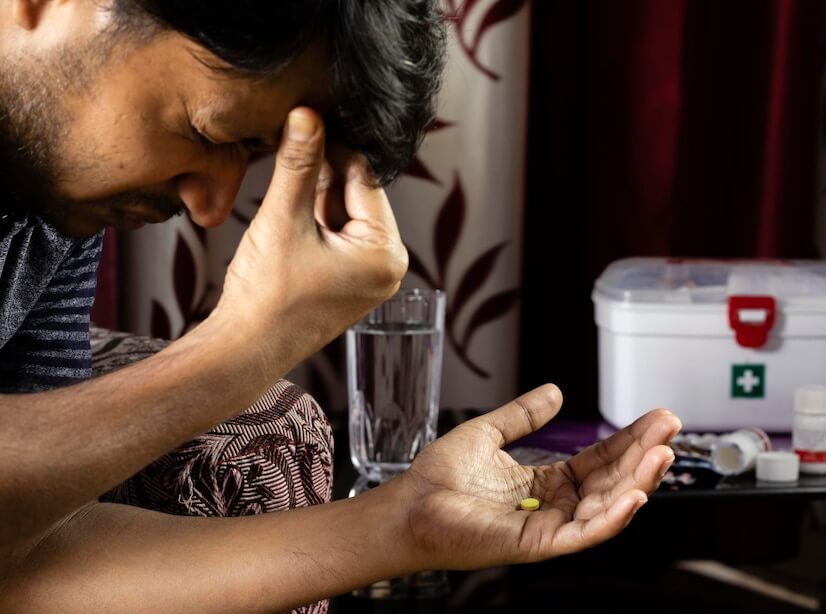
Understanding Addiction in Michigan: Local Resources and Lifelong Recovery Strategies

Addiction affects thousands of Michigan residents every year, touching individuals, families, and entire communities. It is a complex condition that impacts the brain, body, and behavior, often accompanied by mental health challenges such as depression, anxiety, or trauma. While the path to recovery can feel overwhelming, Michigan offers a variety of resources and treatment options designed to help individuals regain control, heal, and build a foundation for lifelong recovery.

Recognizing the Signs of Addiction

Early recognition of addiction can greatly improve outcomes. Families and individuals should be aware of both behavioral and physical signs.

Behavioral Indicators

Changes in mood, withdrawal from social activities, increased secrecy, or declining performance at work or school may all indicate a struggle with substance use. Irritability, sudden emotional highs and lows, and conflicts within the household are also common signs.

Physical and Lifestyle Warning Signs

Physical symptoms might include fatigue, changes in sleep or appetite, weight fluctuations, or neglect of personal hygiene. Financial stress, missing possessions, or repeated legal issues can also signal that substance use is becoming problematic. Observing these signs early can help families intervene and seek professional guidance before the condition worsens.

Michigan’s Addiction Recovery Resources

Michigan provides a variety of treatment options to support individuals and families in the recovery process. Choosing the right program depends on the severity of addiction, co-occurring mental health conditions, and personal circumstances.

Inpatient Treatment for Intensive Care

Inpatient programs offer a structured environment where individuals can focus entirely on recovery. These programs provide medical supervision, individual therapy, group counseling, and holistic care activities such as mindfulness, physical wellness, and nutrition guidance. Inpatient treatment is particularly beneficial for those with severe addiction or co-occurring mental health challenges.

Outpatient Programs for Flexibility

Outpatient care allows individuals to maintain daily responsibilities while receiving therapy and support. These programs emphasize skill development, coping strategies, and real-world application of recovery techniques. Outpatient treatment is ideal for individuals who require professional guidance while balancing work, school, or family commitments.

Holistic and Faith-Based Approaches

Recovery is not only about abstaining from substances. Holistic programs address the whole person, supporting emotional, physical, and spiritual well-being. Practices such as meditation, exercise, nutrition counseling, and mindfulness enhance mental and physical health. Faith-based programs provide community, guidance, and a sense of purpose, helping individuals connect with values and hope during recovery.

Building a Personalized Recovery Plan

No two recovery journeys are the same. Personalized treatment plans consider an individual’s history, strengths, and challenges.

Family Involvement and Counseling

Family support plays a critical role in recovery. Counseling and family therapy help rebuild trust, improve communication, and strengthen relationships. Individual therapy allows clients to understand the root causes of addiction, develop healthy coping mechanisms, and gain confidence in their ability to maintain sobriety.

Aftercare and Lifelong Recovery

Recovery continues after treatment concludes. Aftercare programs, support groups, and ongoing therapy provide accountability, help manage triggers, and reinforce healthy habits. Lifelong recovery strategies focus on building resilience, maintaining support networks, and preventing relapse through education and skill-building.

Moving Forward with Hope

Addiction in Michigan is a serious challenge, but recovery is possible. By accessing local resources, engaging with compassionate professionals, and participating in personalized treatment, individuals can overcome substance use disorders and create meaningful, lasting change.

Taking the first step toward recovery requires courage, but support is available. Whether through inpatient care, outpatient programs, holistic practices, or faith-based guidance, Michigan residents have access to comprehensive resources that promote healing, stability, and lifelong well-being. Reaching out today can be the beginning of a transformative journey toward hope and health.

From Struggle to Stability: How Michigan Residents Overcome Addiction

Addiction can feel overwhelming, isolating, and impossible to manage without support. For many Michigan residents, substance use disorders affect not only the individual but also families, careers, and communities. The journey from struggle to stability is challenging, but it is achievable with the right resources, professional guidance, and personalized care. Michigan offers a variety of treatment options designed to help individuals reclaim their lives, address underlying mental health concerns, and build a foundation for lasting recovery.

Understanding Addiction and Its Impact

Addiction is a complex condition that affects the brain, body, and behavior. Common substances of misuse in Michigan include opioids, alcohol, prescription medications, and methamphetamine. Addiction often develops as a way to cope with stress, trauma, or mental health challenges. Over time, substance use can disrupt daily life, damage relationships, and lead to serious health consequences.

The Connection Between Addiction and Mental Health

Many individuals struggling with addiction also face mental health conditions such as depression, anxiety, or post-traumatic stress. These co-occurring disorders often reinforce one another, making recovery more difficult without integrated care. Treatment programs that address both addiction and mental health simultaneously provide the best chance for lasting success.

Pathways to Recovery in Michigan

Recovery is not a one-size-fits-all process. Michigan offers a wide range of programs that support individuals at every stage of their journey.

Inpatient Treatment for Intensive Support

Inpatient programs provide a structured environment where individuals can focus entirely on recovery. These programs offer medical supervision, individual and group therapy, and holistic care practices such as mindfulness, exercise, and wellness activities. Inpatient care is especially effective for individuals with severe addiction or co-occurring mental health challenges.

Outpatient Programs for Flexibility and Growth

Outpatient care allows individuals to receive therapy and support while maintaining work, school, or family responsibilities. These programs emphasize accountability, skill-building, and practical application of coping strategies. Outpatient treatment is ideal for those who require ongoing support without leaving their daily responsibilities behind.

Holistic and Faith-Based Approaches

Recovery extends beyond managing substance use. Holistic programs address the whole person, focusing on emotional, physical, and spiritual well-being. Practices such as meditation, nutrition counseling, and physical activity complement traditional therapy. Faith-based programs provide additional purpose, community, and hope for individuals seeking spiritual guidance as part of their recovery journey.

Building a Personalized Recovery Plan

Every recovery journey is unique. Personalized treatment plans take into account an individual’s history, strengths, and challenges.

Family Involvement and Individual Therapy

Family support is critical in the recovery process. Counseling and family therapy help rebuild trust, improve communication, and strengthen relationships. Individual therapy allows clients to explore the underlying causes of addiction, develop healthier coping mechanisms, and build confidence in their ability to maintain sobriety.

Aftercare and Relapse Prevention

Recovery continues beyond the completion of a treatment program. Aftercare planning, peer support groups, and ongoing counseling provide accountability and tools to manage triggers. Relapse prevention strategies help individuals recognize warning signs early and take proactive steps to maintain stability.

Moving From Struggle to Stability

Addiction is challenging, but Michigan residents are finding hope and healing through compassionate, professional care. By accessing treatment, engaging with supportive communities, and embracing holistic approaches, individuals can move from chaos to stability and rebuild meaningful lives.

If you or a loved one is struggling with addiction, reaching out for professional support is the first step toward change. With personalized care, integrated mental health treatment, and ongoing support, lasting recovery is possible. Every journey begins with a single decision to seek help, and in Michigan, resources are available to guide you every step of the way.

Michigan Families Facing Addiction: Signs, Support, and Treatment Options

Addiction can affect every member of a family, creating emotional, financial, and relational strain. In Michigan, thousands of households face the challenges of substance use disorders, often alongside co-occurring mental health concerns such as depression, anxiety, or trauma. Recognizing the signs of addiction, knowing how to provide support, and understanding available treatment options are essential for families seeking to navigate this difficult journey. With compassionate guidance and access to professional care, recovery is possible for both individuals and their loved ones.

Recognizing the Signs of Addiction

Identifying addiction early can make a significant difference in the success of treatment. Families should be attentive to behavioral, emotional, and physical changes in their loved ones.

Behavioral and Emotional Indicators

Individuals struggling with addiction may withdraw from family and friends, display sudden mood swings, or become secretive about daily activities. Loss of interest in hobbies, school, or work responsibilities is another common sign. Emotional instability, irritability, and frequent conflicts within the household can signal that substance use is affecting mental health and daily functioning.

Physical and Lifestyle Warning Signs

Physical symptoms can also indicate addiction. These may include changes in appearance, sleep disturbances, unexplained weight loss or gain, and neglect of personal hygiene. Additionally, financial stress, missing belongings, or legal problems may emerge as a result of substance use. While these signs do not automatically confirm addiction, they highlight the need for professional evaluation.

Supporting Loved Ones Through Addiction

Family support plays a crucial role in the recovery process. Approaching the situation with empathy, clear communication, and appropriate boundaries can help create a supportive environment.

Effective Communication Strategies

Open, nonjudgmental communication is essential. Families should express concern for their loved one without placing blame or shame. Asking questions, listening carefully, and encouraging dialogue can help individuals feel understood and more willing to seek help.

Encouraging Professional Help

While family support is important, professional treatment is often necessary for long-term recovery. Encouraging a loved one to explore inpatient or outpatient programs, therapy, or counseling provides them with structured care, accountability, and tools for managing triggers. Family therapy can also strengthen relationships and build a foundation for healthier communication.

Treatment Options Available in Michigan

Michigan offers a variety of addiction recovery programs designed to meet the unique needs of each individual and family.

Inpatient Treatment for Intensive Support

Inpatient programs provide a structured environment where individuals can focus fully on recovery. These programs include medical supervision, individualized counseling, group therapy, and holistic care practices such as mindfulness, wellness activities, and spiritual guidance.

Outpatient Programs for Flexibility

Outpatient care allows individuals to maintain work, school, and family responsibilities while receiving therapy and support. These programs emphasize practical skill-building, coping strategies, and gradual reintegration into everyday life.

Holistic and Faith-Based Approaches

Recovery is most effective when it addresses the whole person. Holistic programs consider physical, emotional, and spiritual well-being, incorporating nutrition counseling, exercise, meditation, and mindfulness. Faith-based programs can provide additional support, community, and purpose for individuals seeking spiritual guidance during recovery.

Aftercare and Long-Term Recovery

Recovery does not end when treatment concludes. Aftercare programs, peer support groups, and ongoing counseling help individuals maintain progress, prevent relapse, and navigate triggers. Families can play an active role in supporting these efforts by fostering healthy routines, staying involved in therapy when appropriate, and maintaining open communication.

Moving Forward with Hope

Addiction is challenging, but Michigan families are not alone in facing it. By recognizing the signs, offering compassionate support, and connecting loved ones to professional treatment, families can help their members move from crisis to recovery. Reaching out for help is a courageous first step toward healing. With access to personalized care, holistic approaches, and community support, lasting recovery is possible, and families can rebuild trust, stability, and hope for the future.