Addiction touches every corner of Michigan, affecting individuals, families, workplaces, and entire communities. While the challenges of substance use disorders can feel overwhelming, there is a growing movement of hope across the state. Recovery is no longer viewed as simply stopping drug or alcohol use. It is about healing the whole person through compassionate care, mental health support, personalized treatment, and strong community connections. Whether someone is taking their first step toward treatment or continuing a long term recovery journey, the right support can make all the difference. Every recovery story begins with hope, and every person deserves the opportunity to build a healthier future.
Understanding Addiction in Michigan Communities
Addiction is a complex medical condition that affects both the brain and behavior. It is not caused by a lack of determination or personal failure. Instead, it often develops through a combination of biological, emotional, environmental, and psychological factors.
Communities throughout Michigan continue to see the effects of alcohol misuse, opioid addiction, prescription medication dependency, and other substance use disorders. At the same time, communities are also expanding access to professional treatment and recovery resources that give individuals a real opportunity to heal.
The Relationship Between Addiction and Mental Health
Mental health challenges frequently exist alongside addiction. Conditions such as anxiety, depression, post traumatic stress disorder, and unresolved trauma can increase the likelihood of substance use. Likewise, prolonged substance use often worsens emotional health, creating a cycle that becomes difficult to break without professional guidance.
Treating both addiction and mental health together gives individuals a stronger foundation for long term recovery.
Personalized Treatment Creates Meaningful Recovery
No two people experience addiction in exactly the same way. Effective treatment recognizes this by creating individualized recovery plans based on each person’s physical health, emotional well-being, personal history, and recovery goals.
Inpatient Treatment Provides a Safe Beginning
For individuals who need intensive support, inpatient treatment offers a structured environment where healing can begin without the distractions of everyday life. Clients receive medical supervision when necessary, individual counseling, group therapy, mental health services, and relapse prevention education.
This level of care allows individuals to focus completely on building healthy routines while gaining the tools needed for lasting recovery.
Outpatient Programs Encourage Continued Growth
Outpatient treatment provides flexibility for individuals who are ready to continue their recovery while maintaining responsibilities at home, work, or school.
Regular counseling sessions, behavioral therapies, support groups, and recovery education help individuals apply new coping skills in their daily lives while remaining connected to professional guidance.
Healing the Whole Person Through Holistic Care
Recovery extends far beyond achieving sobriety. It also involves restoring physical health, emotional balance, healthy relationships, and personal purpose.
Holistic Therapies Support Lasting Wellness
Many comprehensive treatment programs include holistic services that complement traditional clinical care. These therapies may include mindfulness practices, meditation, exercise, nutritional counseling, stress reduction techniques, and creative therapeutic activities.
Holistic care encourages individuals to develop healthy habits that improve both emotional resilience and overall wellness.
Faith Based Support Inspires Hope
For many people, faith becomes an important source of strength throughout recovery. Faith based services can provide encouragement, purpose, and spiritual guidance while working alongside evidence based treatment approaches.
This combination often helps individuals find renewed motivation as they rebuild their lives.
Community Support Strengthens Recovery
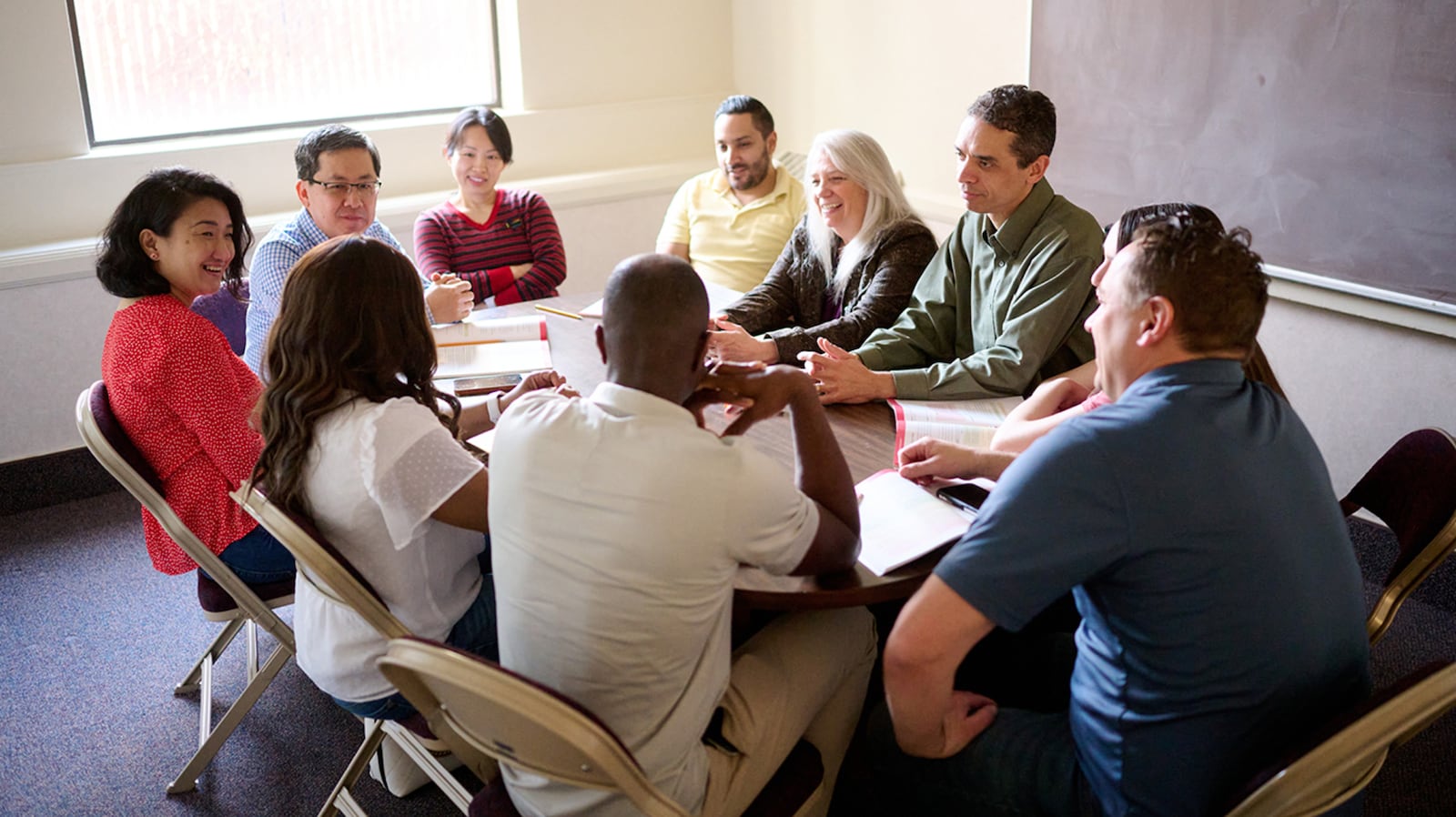
Recovery thrives when individuals feel connected to people who genuinely care about their success. Families, treatment professionals, peer recovery groups, and local organizations all contribute to creating a supportive recovery environment.
Family Involvement Promotes Healing
Addiction affects the entire family, making family participation an essential part of recovery. Counseling and educational programs help loved ones better understand addiction while improving communication and rebuilding trust.
A healthier family environment often strengthens long term recovery.
Aftercare Helps Maintain Progress
Recovery does not end when formal treatment is complete. Continued counseling, alumni programs, peer support meetings, relapse prevention planning, and community resources help individuals remain focused as they navigate everyday challenges.
Ongoing support provides encouragement during difficult moments while reinforcing the healthy habits developed throughout treatment.
Hope Grows Through Compassionate Care
Compassion is one of the most powerful elements of successful addiction treatment. Individuals are far more likely to engage in recovery when they feel respected, understood, and supported instead of judged.
Professional treatment providers who listen carefully, develop individualized care plans, and address both addiction and mental health create an environment where genuine healing can take place. This compassionate approach empowers individuals to overcome obstacles while building confidence in their ability to sustain recovery.
Every New Beginning Starts With One Step
Being addicted in Michigan does not define a person’s future. Every day, individuals across the state are discovering that recovery is possible through personalized treatment, comprehensive mental health care, holistic healing, faith based support, and strong community connections.
If you or someone you love is struggling with addiction, reaching out for professional help can be the beginning of a life changing journey. Whether treatment involves inpatient care, outpatient services, counseling, or ongoing aftercare, every step forward brings new opportunities for healing.
Hope, healing, and recovery come together when compassionate professionals, supportive families, and dedicated communities work toward the same goal. With the right care and a personalized recovery plan, lasting sobriety is possible, and a healthier, more meaningful future is within reach.