Addicted in Michigan: Recognizing the Need for Help Before Addiction Takes More

Addiction rarely takes everything at once. It can begin quietly, perhaps with a drink after a stressful day, a prescription that becomes difficult to stop taking, or substance use that gradually becomes more frequent. Over time, however, addiction can affect health, relationships, work, finances, and emotional well-being. For people addicted in Michigan, recognizing the warning signs early can create an opportunity to seek help before the consequences become even more serious. Compassionate addiction treatment can address substance use while also supporting mental health, personal growth, and the underlying issues that make recovery necessary.

Understanding When Substance Use Becomes Addiction

Not everyone who uses alcohol or drugs develops an addiction. However, repeated substance use can become problematic when it begins interfering with a person’s ability to function or make healthy choices.

Addiction is not simply a matter of willpower. Substance use can affect brain chemistry, behavior, motivation, and decision making. As dependence develops, stopping can become increasingly difficult without professional support.

Warning Signs That Should Not Be Ignored

Recognizing changes in behavior can help individuals and families respond sooner. Potential warning signs include:

  • Using alcohol or drugs more frequently or in larger amounts.
  • Feeling unable to control or reduce substance use.
  • Experiencing strong cravings.
  • Spending significant time obtaining, using, or recovering from substances.
  • Missing work, school, appointments, or family responsibilities.
  • Withdrawing from people or activities that were once important.
  • Continuing to use despite health, relationship, financial, or legal consequences.
  • Using substances to cope with stress, anxiety, depression, trauma, or difficult emotions.
  • Experiencing withdrawal symptoms when substance use stops.

One warning sign does not necessarily mean someone has an addiction. However, several changes occurring together deserve attention.

Why Waiting Can Make Recovery More Difficult

Many people delay treatment because they believe their substance use is not serious enough. Others may promise themselves that they will stop after one more day, one more event, or one more attempt.

Unfortunately, addiction often becomes more difficult to manage as it progresses.

Addiction Can Affect Every Part of Life

Substance use may gradually change relationships and responsibilities. Someone who once spent time with family may become increasingly isolated. Work performance may decline. Financial problems can develop. Physical and mental health can deteriorate.

These changes can create additional stress, which may then lead to more substance use.

Recognizing this cycle early provides an opportunity to interrupt it.

Asking for Help Is Not Failure

People sometimes avoid treatment because they believe seeking professional help means they have failed to control their behavior.

The opposite is true.

Acknowledging that support is needed requires honesty and courage. Addiction is a treatable health condition, and professional treatment provides tools that can be difficult to develop alone.

Mental Health Support Is an Important Part of Recovery

Addiction does not always exist by itself. Mental health concerns can contribute to substance use, while prolonged substance use can worsen emotional and psychological symptoms.

Addressing Underlying Emotional Challenges

Anxiety, depression, trauma, chronic stress, and other mental health concerns may influence how someone responds to difficult situations. If substances have become a primary coping mechanism, treatment can help individuals develop healthier alternatives.

Comprehensive mental health care can include individual therapy, group counseling, behavioral approaches, family support, and other services based on individual needs.

When addiction and mental health are addressed together, individuals can work toward more sustainable recovery.

Choosing the Right Level of Addiction Treatment

There is no single treatment program that works for everyone. The appropriate level of care depends on factors such as substance use history, physical and mental health, home environment, support system, and recovery goals.

Inpatient Treatment Provides Structure and Stability

Inpatient treatment gives individuals a structured setting where recovery can become the primary focus. This type of care can be particularly valuable when someone needs intensive support or separation from environments associated with substance use.

Treatment may include individual therapy, group counseling, mental health services, recovery education, wellness activities, and relapse prevention planning.

The structured environment gives individuals time to establish healthier routines while receiving professional guidance.

Outpatient Treatment Offers Flexibility

Outpatient treatment allows individuals to participate in professional recovery services while continuing many daily responsibilities.

Counseling, support groups, recovery education, and individualized treatment can help clients practice new skills in real life. Outpatient care may also provide an important transition after inpatient treatment.

The goal is to help individuals develop the confidence and skills needed to continue recovery outside a treatment setting.

Personalized Care Recognizes the Whole Person

Effective addiction treatment should look beyond the substance itself. It should consider the person who is struggling and the circumstances that brought them to treatment.

Individualized Recovery Plans

A personalized plan can address substance use, mental health, relationships, physical wellness, personal values, and long term goals.

Some people need intensive therapy. Others benefit from family counseling, structured routines, peer support, or additional wellness services. Treatment can be adjusted as needs change.

This approach helps ensure that recovery is relevant to the individual rather than based on a one size fits all model.

Holistic and Faith Based Approaches Can Add Meaning

Recovery is about more than achieving sobriety. It is also about learning how to live well without relying on substances.

Supporting Physical and Emotional Wellness

Holistic approaches may include mindfulness, meditation, exercise, nutritional support, stress management, and other wellness practices. These services can complement traditional addiction treatment by encouraging healthier habits and greater self awareness.

Over time, these small changes can become part of a sustainable lifestyle.

Finding Strength Through Faith

For individuals who value spirituality, faith based treatment can provide encouragement and a renewed sense of purpose. Spiritual support may help people reconnect with their values and find hope during challenging periods.

Faith based approaches can complement professional addiction and mental health services while respecting each person’s beliefs and recovery goals.

What Families Can Do When They Are Concerned

Families are often among the first people to notice changes related to addiction. They may see shifts in behavior, mood, relationships, or responsibilities before the individual recognizes the severity of the problem.

Start With Compassion

Approaching someone with anger, accusations, or threats may cause them to become defensive or withdraw. A calmer conversation focused on concern can create a better opportunity for communication.

Instead of saying, “You need to stop,” consider expressing specific observations and genuine concern. Let the person know that support is available.

Encourage Professional Help

Families do not have to diagnose addiction or solve it themselves. Professional treatment providers can assess the situation and recommend appropriate services.

Family counseling can also help loved ones establish healthy boundaries while learning how to support recovery without enabling harmful behavior.

Recovery Can Begin Before Addiction Takes More

For someone addicted in Michigan, the decision to seek help does not need to wait for a crisis. Early treatment can provide an opportunity to address substance use before more relationships, opportunities, or aspects of health are affected.

If you recognize warning signs in yourself or someone you love, consider reaching out for professional support. Addiction recovery services, mental health treatment, inpatient and outpatient care, holistic approaches, faith based support, and individualized treatment can provide a comprehensive foundation for healing.

You do not have to wait until everything falls apart before asking for help. A conversation today can become the first step toward a healthier tomorrow. Addiction may have taken time, relationships, or opportunities, but it does not have to take the rest of your life. With compassionate care, personalized treatment, and ongoing support, recovery can begin now.

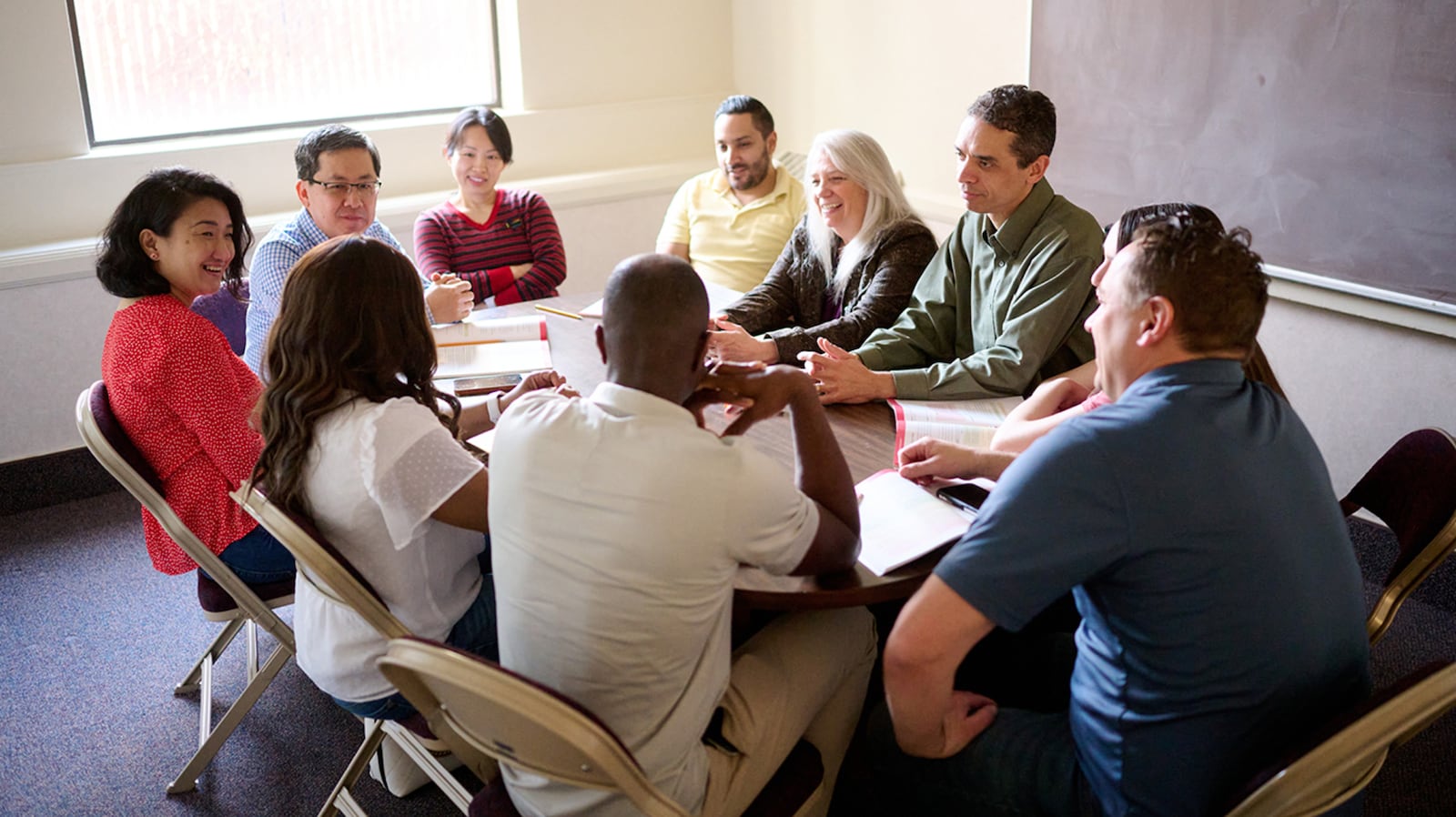
Addicted in Michigan: How Personalized Treatment Can Help Rebuild a Life After Addiction

Being addicted in Michigan can affect far more than substance use. Addiction can change relationships, disrupt careers, damage physical and emotional health, and leave people questioning whether they can ever return to the life they once knew. Yet recovery is not simply about putting substances aside. It is about rebuilding. Personalized addiction treatment gives individuals the opportunity to understand what contributed to their substance use, address mental health concerns, develop healthier coping skills, and create a future that reflects their own goals and values. With compassionate professional care, recovery can become more than a possibility. It can become a practical path forward.

Why Personalized Addiction Treatment Matters

There is no single reason why someone develops an addiction. A person’s experience may involve genetics, trauma, stress, mental health concerns, chronic pain, family history, social pressures, or a combination of several factors.

Because the causes and consequences of addiction differ, treatment should not follow a rigid formula.

Every Recovery Story Is Different

Two people may struggle with the same substance while requiring very different forms of support. One person may need a highly structured environment, while another may benefit from flexible outpatient treatment. Someone else may need intensive mental health counseling to address trauma or depression that has contributed to substance use.

Personalized treatment considers these differences from the beginning. Professionals can evaluate substance use history, physical health, emotional needs, family circumstances, personal beliefs, and recovery goals when developing a treatment plan.

This approach allows care to focus on the individual rather than defining someone solely by their addiction.

Addressing the Causes Behind Addiction

Stopping substance use is an important part of recovery, but it is not always enough to create lasting change. If the underlying issues remain unresolved, individuals may continue to face emotional triggers and unhealthy coping patterns.

Mental Health and Addiction Often Intersect

Many people living with addiction also experience mental health challenges such as anxiety, depression, trauma related symptoms, or prolonged stress. Substance use may temporarily numb emotional discomfort, but it can ultimately make those challenges more difficult to manage.

Integrated mental health treatment helps individuals explore these concerns in a safe and supportive environment.

Individual therapy can provide an opportunity to examine thoughts, emotions, and behaviors. Group counseling can reduce isolation and create a sense of connection. Family therapy can help repair communication and establish healthier relationships.

Addressing mental health alongside addiction can provide individuals with stronger tools for managing difficult emotions without turning to substances.

Finding the Right Level of Treatment

Personalized recovery also means identifying the appropriate level of care. Inpatient and outpatient programs can both play important roles depending on an individual’s needs.

Inpatient Care Creates Space for Healing

Inpatient treatment provides a structured environment where individuals can concentrate on recovery away from many of the triggers and pressures of daily life.

Depending on the program, care may include individual counseling, group therapy, mental health services, recovery education, wellness activities, and relapse prevention planning.

For someone whose addiction has become difficult to manage independently, this structured setting can provide stability while the individual begins developing new habits.

Outpatient Care Supports Real World Recovery

Outpatient treatment provides ongoing professional support while allowing individuals to remain involved in work, education, family life, and other responsibilities.

Regular counseling and recovery services help individuals practice new coping strategies in their everyday environments. Outpatient care can also provide continued support after a more intensive treatment program.

The goal is not simply to complete treatment. It is to help individuals develop skills they can continue using long after formal services end.

Holistic Treatment Supports the Whole Person

Rebuilding a life after addiction involves more than addressing substance use. Physical health, emotional wellness, relationships, personal interests, and a sense of purpose all matter.

Developing Healthy Daily Habits

Holistic approaches can complement traditional addiction treatment by helping individuals establish healthier routines. Depending on individual needs and available services, these approaches may include mindfulness, meditation, physical activity, nutritional guidance, stress management, and other wellness practices.

These habits can provide constructive alternatives to substance use while supporting overall well-being.

Small changes can have a significant impact when they become consistent parts of daily life.

Faith Can Become a Source of Strength

For people who value spirituality, faith based recovery can provide an additional source of encouragement and purpose. Spiritual support may help individuals reconnect with their values, find meaning in difficult experiences, and develop hope for the future.

Faith based care can complement professional addiction and mental health treatment while respecting the individual’s beliefs and personal journey.

Rebuilding Life After Addiction

Recovery creates an opportunity to address areas of life that may have been neglected during active addiction.

Repairing Relationships

Addiction can create broken trust, communication problems, and emotional distance within families. Rebuilding relationships takes time, but recovery provides an opportunity to begin that process.

Honest communication, consistent actions, family counseling, and healthy boundaries can help loved ones move toward greater stability.

Rediscovering Purpose

A meaningful recovery is not only about avoiding substances. It is also about discovering what makes life worth living.

Individuals may return to education, pursue employment, strengthen family relationships, develop new hobbies, volunteer, reconnect with their faith, or set personal goals they once believed were impossible.

Purpose provides motivation. It gives recovery a direction beyond simply avoiding relapse.

Preparing for Long Term Recovery

Treatment provides important tools, but recovery continues after formal care ends. A strong aftercare plan can help individuals maintain progress and respond to challenges before they become overwhelming.

Relapse Prevention Requires Awareness

Triggers can include certain people, places, emotions, memories, stressors, or situations. Learning to identify these triggers early allows individuals to create practical strategies for responding to them.

A recovery plan may include continued counseling, peer support, healthy routines, supportive relationships, and clear steps to take when cravings or emotional difficulties arise.

Relapse prevention is not about expecting perfection. It is about preparation, awareness, and knowing when to ask for additional support.

A Personalized Path Can Lead to a New Beginning

Being addicted in Michigan does not mean that a person’s story has to remain defined by addiction. Personalized treatment recognizes that recovery involves the whole individual, including physical health, mental health, relationships, beliefs, strengths, and hopes for the future.

Whether someone needs inpatient care, outpatient treatment, mental health support, holistic services, faith based guidance, or a combination of approaches, individualized care can help create a recovery plan that fits the person’s circumstances.

If you or someone you love is struggling with addiction, reaching out for professional help is an important first step. Recovery does not require having every answer before treatment begins. It starts with being willing to have an honest conversation and accept support.

With compassionate care and a personalized approach, individuals can move beyond addiction, rebuild relationships, strengthen their mental health, and rediscover a sense of purpose. A healthier life may feel far away today, but with the right treatment and consistent support, rebuilding is possible.

Addicted in Michigan: Finding Compassionate Care and a Clearer Path to Recovery

Being addicted in Michigan can feel isolating, especially when substance use begins affecting relationships, work, health, and a person’s sense of hope. However, addiction does not have to determine what happens next. With compassionate addiction treatment, mental health support, and an individualized recovery plan, people can begin addressing the reasons behind substance use and develop healthier ways to move forward. Recovery is not about becoming someone else. It is about rediscovering the person beneath the addiction and building a life that feels meaningful, stable, and worth protecting.

Understanding Addiction in Michigan

Addiction is a complex health condition that can affect people from every community and background. Alcohol, opioids, prescription medications, stimulants, and other substances can gradually become central to a person’s daily life. What may begin as occasional use can develop into dependence, especially when substances are used to cope with emotional pain or difficult circumstances.

For many people, recognizing the problem is one of the hardest parts of recovery.

Recognizing the Warning Signs

Addiction can present differently from one person to another. However, common warning signs include:

  • Using a substance more often or in larger amounts than intended.
  • Feeling unable to stop despite wanting to quit.
  • Spending significant time obtaining, using, or recovering from substance use.
  • Neglecting work, school, family, or other responsibilities.
  • Experiencing relationship problems related to substance use.
  • Continuing to use despite physical, emotional, or financial consequences.
  • Developing cravings or withdrawal symptoms.
  • Using substances to manage stress, anxiety, sadness, trauma, or other emotional challenges.

Recognizing these signs does not mean someone has failed. Instead, they can signal that professional support may be appropriate.

Compassionate Treatment Changes the Recovery Conversation

People struggling with addiction often carry guilt and shame long before they seek treatment. Judgment can make that burden even heavier. Compassionate addiction treatment takes a different approach.

Rather than asking why someone cannot simply stop, effective care asks what happened, what the individual needs, and what support can help them move forward.

Treatment Starts With the Individual

Every recovery journey is different. A person’s substance use history, physical health, mental health, family circumstances, personal beliefs, and goals all influence the type of care that may be appropriate.

An individualized treatment plan can help professionals identify the right combination of therapies and services. It can also be adjusted as the person’s needs change throughout recovery.

This flexibility matters because progress does not always happen in a straight line.

Addressing Mental Health Alongside Addiction

Addiction and mental health are frequently connected. Depression, anxiety, trauma, chronic stress, and other mental health concerns may contribute to substance use. At the same time, prolonged substance use can make emotional and psychological symptoms more difficult to manage.

Why Integrated Mental Health Care Matters

Treating only the substance use may leave important issues unresolved. Comprehensive treatment considers the entire person and explores the emotional and psychological factors that may contribute to addictive behaviors.

Individual counseling can help people understand their thoughts, emotions, and behaviors. Group therapy can provide connection and accountability. Family counseling can help loved ones communicate more effectively and begin rebuilding trust.

When addiction and mental health concerns are addressed together, individuals have more opportunities to develop healthy coping strategies that can support long term recovery.

Choosing Between Inpatient and Outpatient Care

The right level of addiction treatment depends on a person’s circumstances. Inpatient and outpatient programs can both play valuable roles in recovery.

Inpatient Treatment Provides Structure

Inpatient care offers a structured setting where individuals can focus closely on recovery. This environment can be especially valuable for people who need intensive support, greater separation from triggers, or consistent access to professional care.

Treatment may include individual therapy, group counseling, mental health services, recovery education, wellness activities, and relapse prevention planning.

The structure gives individuals time and space to establish healthier routines while receiving ongoing guidance.

Outpatient Care Offers Flexibility

Outpatient treatment allows individuals to participate in professional recovery services while continuing many of their responsibilities at home, work, or school.

Regular counseling and recovery support help individuals practice new skills in their everyday environments. For some people, outpatient care may serve as their primary treatment. For others, it can provide continued support after completing a more intensive program.

Holistic Recovery Looks Beyond Sobriety

Recovery involves more than stopping substance use. People also need opportunities to improve their physical health, emotional well-being, relationships, and sense of purpose.

Supporting Mind, Body, and Spirit

Holistic approaches can complement traditional addiction treatment by encouraging healthy routines and greater self-awareness. Depending on the program and individual needs, this may include mindfulness, meditation, exercise, nutritional guidance, stress management, creative activities, and other wellness practices.

These approaches are not replacements for professional addiction treatment. Instead, they can become additional tools that help individuals build a balanced lifestyle.

Faith Based Recovery Can Provide Purpose

For individuals who draw strength from their faith, spiritual support can become an important part of recovery. Faith based approaches may help people reconnect with their values, find purpose, and develop hope during difficult periods.

When appropriate, spiritual care can work alongside clinical treatment to support the whole person.

Building a Recovery Plan That Lasts

Starting treatment is an important milestone, but lasting recovery requires continued attention. The skills developed during treatment need to become part of everyday life.

Relapse Prevention Starts With Preparation

A strong recovery plan identifies potential triggers and establishes practical responses before difficult situations arise. Individuals may learn to recognize emotional warning signs, manage cravings, communicate their needs, and seek support before a crisis develops.

Recovery planning may also involve identifying supportive people, creating healthy routines, avoiding high risk situations, and continuing counseling when appropriate.

Community and Family Support Matter

No one should have to build a new life in isolation. Supportive family members, friends, counselors, peer groups, and recovery communities can provide encouragement and accountability.

For families, education and counseling can also help loved ones understand addiction more clearly. Instead of focusing solely on past behavior, families can learn how to support healthy boundaries and positive changes.

Taking the First Step Toward Recovery

For someone who feels trapped by addiction, the idea of changing everything at once can be overwhelming. The good news is that recovery does not require solving every problem today. It starts with one honest conversation and one decision to seek help.

If you or someone you love is addicted in Michigan, compassionate care can provide a clearer path forward. Addiction recovery services, mental health treatment, inpatient and outpatient care, holistic support, faith based approaches, and individualized treatment can work together to address the many dimensions of recovery.

Asking for help is not a sign of weakness. It is an important act of self care and courage. With the right support, individuals can move beyond addiction, repair what has been damaged, discover new strengths, and build a future grounded in health, purpose, and hope. The first step can be difficult, but it can also be the beginning of a completely different chapter.

Addicted in Michigan Communities: How Hope, Healing, and Recovery Come Together

Addiction touches every corner of Michigan, affecting individuals, families, workplaces, and entire communities. While the challenges of substance use disorders can feel overwhelming, there is a growing movement of hope across the state. Recovery is no longer viewed as simply stopping drug or alcohol use. It is about healing the whole person through compassionate care, mental health support, personalized treatment, and strong community connections. Whether someone is taking their first step toward treatment or continuing a long term recovery journey, the right support can make all the difference. Every recovery story begins with hope, and every person deserves the opportunity to build a healthier future.

Understanding Addiction in Michigan Communities

Addiction is a complex medical condition that affects both the brain and behavior. It is not caused by a lack of determination or personal failure. Instead, it often develops through a combination of biological, emotional, environmental, and psychological factors.

Communities throughout Michigan continue to see the effects of alcohol misuse, opioid addiction, prescription medication dependency, and other substance use disorders. At the same time, communities are also expanding access to professional treatment and recovery resources that give individuals a real opportunity to heal.

The Relationship Between Addiction and Mental Health

Mental health challenges frequently exist alongside addiction. Conditions such as anxiety, depression, post traumatic stress disorder, and unresolved trauma can increase the likelihood of substance use. Likewise, prolonged substance use often worsens emotional health, creating a cycle that becomes difficult to break without professional guidance.

Treating both addiction and mental health together gives individuals a stronger foundation for long term recovery.

Personalized Treatment Creates Meaningful Recovery

No two people experience addiction in exactly the same way. Effective treatment recognizes this by creating individualized recovery plans based on each person’s physical health, emotional well-being, personal history, and recovery goals.

Inpatient Treatment Provides a Safe Beginning

For individuals who need intensive support, inpatient treatment offers a structured environment where healing can begin without the distractions of everyday life. Clients receive medical supervision when necessary, individual counseling, group therapy, mental health services, and relapse prevention education.

This level of care allows individuals to focus completely on building healthy routines while gaining the tools needed for lasting recovery.

Outpatient Programs Encourage Continued Growth

Outpatient treatment provides flexibility for individuals who are ready to continue their recovery while maintaining responsibilities at home, work, or school.

Regular counseling sessions, behavioral therapies, support groups, and recovery education help individuals apply new coping skills in their daily lives while remaining connected to professional guidance.

Healing the Whole Person Through Holistic Care

Recovery extends far beyond achieving sobriety. It also involves restoring physical health, emotional balance, healthy relationships, and personal purpose.

Holistic Therapies Support Lasting Wellness

Many comprehensive treatment programs include holistic services that complement traditional clinical care. These therapies may include mindfulness practices, meditation, exercise, nutritional counseling, stress reduction techniques, and creative therapeutic activities.

Holistic care encourages individuals to develop healthy habits that improve both emotional resilience and overall wellness.

Faith Based Support Inspires Hope

For many people, faith becomes an important source of strength throughout recovery. Faith based services can provide encouragement, purpose, and spiritual guidance while working alongside evidence based treatment approaches.

This combination often helps individuals find renewed motivation as they rebuild their lives.

Community Support Strengthens Recovery

Recovery thrives when individuals feel connected to people who genuinely care about their success. Families, treatment professionals, peer recovery groups, and local organizations all contribute to creating a supportive recovery environment.

Family Involvement Promotes Healing

Addiction affects the entire family, making family participation an essential part of recovery. Counseling and educational programs help loved ones better understand addiction while improving communication and rebuilding trust.

A healthier family environment often strengthens long term recovery.

Aftercare Helps Maintain Progress

Recovery does not end when formal treatment is complete. Continued counseling, alumni programs, peer support meetings, relapse prevention planning, and community resources help individuals remain focused as they navigate everyday challenges.

Ongoing support provides encouragement during difficult moments while reinforcing the healthy habits developed throughout treatment.

Hope Grows Through Compassionate Care

Compassion is one of the most powerful elements of successful addiction treatment. Individuals are far more likely to engage in recovery when they feel respected, understood, and supported instead of judged.

Professional treatment providers who listen carefully, develop individualized care plans, and address both addiction and mental health create an environment where genuine healing can take place. This compassionate approach empowers individuals to overcome obstacles while building confidence in their ability to sustain recovery.

Every New Beginning Starts With One Step

Being addicted in Michigan does not define a person’s future. Every day, individuals across the state are discovering that recovery is possible through personalized treatment, comprehensive mental health care, holistic healing, faith based support, and strong community connections.

If you or someone you love is struggling with addiction, reaching out for professional help can be the beginning of a life changing journey. Whether treatment involves inpatient care, outpatient services, counseling, or ongoing aftercare, every step forward brings new opportunities for healing.

Hope, healing, and recovery come together when compassionate professionals, supportive families, and dedicated communities work toward the same goal. With the right care and a personalized recovery plan, lasting sobriety is possible, and a healthier, more meaningful future is within reach.

Finding Strength After Addiction in Michigan: How Personalized Treatment Creates Real Change

Recovery is about more than overcoming addiction. It is about rediscovering hope, rebuilding confidence, and creating a healthier future. Across Michigan, individuals and families are learning that lasting recovery is possible when treatment is tailored to each person’s unique needs. Addiction affects everyone differently, which is why personalized care has become one of the most effective approaches to long term healing. By combining addiction recovery services, mental health treatment, holistic therapies, faith based support, and individualized care plans, recovery programs help people move beyond substance use and embrace meaningful, lasting change.

Why Every Recovery Journey Is Different

No two people experience addiction in exactly the same way. Some individuals develop substance use disorders after years of managing chronic pain, while others struggle following trauma, anxiety, depression, or significant life changes. Family history, environment, mental health, and personal experiences all influence the recovery process.

Recognizing these differences is essential because treatment that works well for one individual may not meet the needs of another. Personalized recovery programs acknowledge each person’s unique circumstances and create treatment plans designed specifically for their goals and challenges.

Understanding the Root Causes of Addiction

Successful treatment goes beyond helping someone stop using drugs or alcohol. It also explores why addiction developed in the first place.

Many individuals living with addiction have underlying mental health conditions such as anxiety, depression, post traumatic stress disorder, or unresolved grief. Others may struggle with chronic stress, relationship challenges, or emotional pain that has never been fully addressed.

By identifying these contributing factors, treatment providers can help individuals build healthier coping strategies that support lifelong recovery.

Personalized Treatment Builds a Strong Foundation

Recovery begins with a comprehensive assessment that considers physical health, emotional well-being, substance use history, family dynamics, and personal recovery goals.

Inpatient Treatment for Focused Healing

For individuals requiring intensive care, inpatient treatment provides a structured environment where recovery can become the primary focus. Clients receive around the clock support while participating in individual counseling, group therapy, educational sessions, and relapse prevention planning.

This setting removes many of the distractions and triggers found in everyday life, allowing individuals to fully engage in the healing process.

Outpatient Programs Promote Continued Independence

Outpatient treatment offers flexibility while maintaining access to professional care. Individuals can continue working, attending school, or caring for family responsibilities while participating in therapy, recovery education, and support groups.

Many people begin with inpatient care before transitioning into outpatient services, creating a seamless continuum of recovery support.

Mental Health Care Is Essential for Long Term Recovery

Mental health treatment plays a critical role in successful addiction recovery. When emotional health is overlooked, individuals may continue struggling with the issues that contributed to substance use.

Treating Co-Occurring Disorders

Integrated treatment addresses addiction alongside mental health conditions, helping individuals develop practical skills for managing emotions, reducing stress, and responding to life’s challenges without relying on substances.

Individual therapy, cognitive behavioral approaches, psychiatric support when appropriate, and family counseling all contribute to a comprehensive recovery plan.

This whole person approach often leads to stronger emotional resilience and more sustainable recovery outcomes.

Holistic Healing Encourages Lasting Wellness

Recovery involves restoring balance in every aspect of life. Holistic therapies complement traditional clinical treatment by promoting physical, emotional, and spiritual well-being.

Caring for the Mind and Body

Many recovery programs include mindfulness practices, meditation, fitness, nutritional counseling, stress management techniques, and recreational activities. These services help individuals improve overall wellness while developing healthy habits that support long term sobriety.

Small daily improvements often become the building blocks for lasting transformation.

Faith Based Support Brings Hope

For many individuals, faith provides strength during recovery. Faith based treatment can offer encouragement, purpose, and spiritual guidance while working alongside evidence based clinical care.

When combined with counseling and behavioral therapies, spiritual support helps many people develop greater resilience as they rebuild their lives.

Community Support Strengthens Recovery

Recovery becomes more successful when individuals feel connected to others who understand their experiences.

Family Involvement Makes a Difference

Addiction affects the entire family, making family participation an important part of treatment. Family counseling helps rebuild trust, improve communication, and educate loved ones about addiction and recovery.

A supportive home environment creates greater stability throughout the recovery journey.

Aftercare Promotes Lifelong Success

Recovery continues well beyond formal treatment. Aftercare services, alumni programs, peer support groups, relapse prevention planning, and continued counseling help individuals maintain momentum while navigating everyday challenges.

Ongoing support reminds individuals that they never have to face recovery alone.

A New Beginning Is Possible

Finding strength after addiction begins with taking the first step toward professional care. Personalized treatment recognizes that every individual deserves a recovery plan designed around their unique experiences, goals, and strengths.

If you or someone you love is struggling with addiction in Michigan, compassionate help is available. Programs that combine addiction recovery services, mental health treatment, inpatient and outpatient care, holistic healing, and faith based support provide the comprehensive care needed for lasting recovery.

Real change happens when treatment focuses on the whole person rather than the addiction alone. With personalized care, dedicated professionals, and a supportive recovery community, individuals can move beyond substance use, rebuild meaningful relationships, and create a healthier future filled with hope, purpose, and lasting wellness.

Addicted in Michigan: A Guide to Treatment Options, Mental Health Support, and Lasting Recovery

Addiction affects thousands of individuals and families throughout Michigan, but it does not have to define anyone’s future. Whether someone is struggling with alcohol, prescription medications, opioids, or other substances, recovery is possible with the right support. Today’s addiction treatment is more comprehensive than ever, combining evidence based therapies, mental health services, holistic healing, and personalized care to help individuals reclaim their lives. Understanding the available treatment options is the first step toward making informed decisions and beginning a journey that leads to lasting recovery.

Understanding Addiction as a Treatable Health Condition

Addiction is a chronic medical condition that changes the way the brain functions. It affects decision making, impulse control, and emotional regulation, making it difficult to stop using substances without professional help. Rather than viewing addiction as a personal weakness, modern treatment recognizes it as a complex condition that requires compassionate, individualized care.

Many people in Michigan begin using substances to cope with stress, trauma, anxiety, depression, or chronic pain. Over time, occasional use can develop into dependency, creating challenges that affect every area of life.

The Strong Connection Between Addiction and Mental Health

Mental health conditions and addiction frequently occur together. Anxiety, depression, post traumatic stress disorder, bipolar disorder, and unresolved trauma often contribute to substance use. Likewise, addiction can worsen emotional health and increase feelings of isolation and hopelessness.

For this reason, effective treatment addresses both addiction and mental health at the same time. Integrated care gives individuals the opportunity to heal emotionally while building healthier coping strategies for the future.

Choosing the Right Addiction Treatment Program

Every person’s recovery journey is unique. Successful treatment begins with understanding an individual’s needs, medical history, lifestyle, and long term goals.

Inpatient Treatment for Intensive Support

Inpatient treatment provides a structured environment where individuals can focus completely on recovery. With twenty four hour professional support, clients receive medical care, individual counseling, group therapy, relapse prevention education, and mental health treatment.

This level of care is often recommended for people experiencing severe addiction, withdrawal symptoms, or co-occurring mental health disorders.

Outpatient Treatment for Flexible Recovery

Outpatient programs allow individuals to continue working, attending school, or caring for family while participating in structured treatment. Regular therapy sessions, recovery education, and support groups help clients apply recovery skills to everyday situations.

Outpatient care often serves as either a primary treatment option or a continuation of care following inpatient treatment.

Personalized Care Creates Better Recovery Outcomes

No two people experience addiction in exactly the same way. Personalized treatment plans recognize each individual’s strengths, challenges, and recovery goals.

Individualized Treatment Plans

Recovery professionals work closely with clients to develop treatment plans that may include behavioral therapy, family counseling, medication management when appropriate, relapse prevention planning, and life skills development.

This individualized approach allows treatment to evolve as clients make progress throughout their recovery journey.

Holistic Healing Supports the Whole Person

Recovery is about far more than ending substance use. Lasting healing involves restoring physical health, emotional well-being, healthy relationships, and a renewed sense of purpose.

Holistic Therapies Promote Overall Wellness

Many addiction treatment programs incorporate holistic therapies that complement traditional clinical care. These may include mindfulness practices, meditation, exercise, nutritional counseling, stress management techniques, and recreational activities.

These services help individuals reduce anxiety, improve emotional balance, and develop healthy daily habits that support lifelong sobriety.

Faith Based Recovery Offers Hope

For many people, faith plays an important role in the healing process. Faith based recovery programs provide spiritual encouragement while complementing evidence based clinical treatment. Spiritual growth can help individuals find renewed purpose, strengthen resilience, and maintain hope throughout recovery.

The Importance of Family and Community Support

Recovery becomes stronger when individuals have supportive relationships. Family members, friends, and local recovery communities all contribute to long term success.

Family Healing Is Part of Recovery

Addiction affects the entire family. Family counseling helps loved ones understand addiction, improve communication, rebuild trust, and create healthier relationships that support recovery.

Aftercare Strengthens Long Term Recovery

Recovery continues long after formal treatment has ended. Aftercare services such as alumni programs, peer support groups, ongoing counseling, and relapse prevention planning help individuals remain connected and confident as they navigate everyday life.

Consistent support provides accountability while reinforcing the healthy habits developed during treatment.

Taking the First Step Toward Lasting Recovery

Being addicted in Michigan does not mean recovery is out of reach. Every day, individuals find hope through compassionate treatment, comprehensive mental health care, holistic healing, and personalized recovery programs designed to meet their unique needs.

If you or someone you love is struggling with addiction, reaching out for professional help can be the most important decision you make. With the right combination of inpatient or outpatient treatment, mental health support, holistic therapies, and ongoing encouragement, lasting recovery is possible.

The journey begins with a single step. By seeking compassionate care today, you can begin building a healthier future filled with renewed purpose, stronger relationships, and lasting hope.

Breaking the Silence Around Addiction in Michigan: Recognizing the Need for Compassionate Care

Addiction affects countless individuals and families throughout Michigan, yet many people continue to suffer in silence because of fear, stigma, or misunderstanding. Too often, substance use disorders are viewed through the lens of shame rather than as treatable medical conditions. This silence can delay treatment, strain relationships, and make recovery feel out of reach. Fortunately, attitudes toward addiction are changing. More treatment providers are embracing compassionate, individualized care that addresses not only substance use but also the mental, emotional, physical, and spiritual challenges that often accompany it. Breaking the silence is the first step toward healing, and seeking help can open the door to a healthier and more hopeful future.

Understanding Addiction Beyond the Stigma

Addiction is a chronic health condition that affects how the brain processes reward, motivation, and decision making. It is not a personal failure or a lack of willpower. People from every community, profession, and age group in Michigan can experience addiction, regardless of their background or circumstances.

Many individuals begin using substances as a way to cope with emotional pain, chronic stress, trauma, or untreated mental health conditions. As substance use continues, it can become increasingly difficult to stop without professional support.

Why Stigma Prevents People From Seeking Help

One of the greatest barriers to recovery is the fear of being judged. Individuals may worry about how family members, employers, or friends will react if they admit they need help. Others may believe they should be able to overcome addiction on their own.

The truth is that addiction responds best to evidence based treatment, compassionate guidance, and ongoing support. Reaching out for help is a sign of courage and strength, not weakness.

The Strong Connection Between Addiction and Mental Health

Mental health and addiction are often closely linked. Many individuals living with substance use disorders also experience anxiety, depression, post traumatic stress disorder, or other emotional challenges.

Treating Both Conditions Together

Recovery becomes more effective when addiction and mental health are treated at the same time. Integrated treatment helps individuals understand the emotional factors contributing to substance use while developing healthier coping skills.

Therapy, counseling, psychiatric support when appropriate, and behavioral health services work together to create a comprehensive treatment plan that supports lasting recovery.

Personalized Treatment Creates Meaningful Change

Every individual has a unique story, which is why personalized care is essential. Modern addiction treatment focuses on understanding each person’s experiences, strengths, challenges, and recovery goals.

Inpatient Treatment Provides Stability

For individuals needing intensive care, inpatient treatment offers a structured environment where healing can begin without the distractions and triggers of daily life.

Clients receive professional medical supervision, individual counseling, group therapy, mental health treatment, and relapse prevention education while building healthy daily routines.

Outpatient Programs Encourage Continued Growth

Outpatient care provides flexibility for individuals who are ready to continue recovery while maintaining work, school, or family responsibilities.

Regular counseling sessions, support groups, and individualized treatment plans help clients apply recovery skills in everyday situations while remaining connected to professional care.

Holistic Healing Supports the Whole Person

Successful recovery involves more than ending substance use. It also requires improving overall well-being and restoring balance in everyday life.

Wellness Focused Recovery

Holistic treatment approaches often include mindfulness, meditation, physical activity, nutritional guidance, stress management, and recreational therapies. These practices complement traditional clinical care by helping individuals improve emotional resilience and physical health.

Developing healthy routines can reduce stress and strengthen long term recovery.

Faith Based Support Offers Additional Strength

Many individuals also benefit from faith based recovery services that provide spiritual encouragement and renewed purpose. When combined with evidence based treatment, faith can become an important source of hope and motivation throughout recovery.

Families and Communities Help Sustain Recovery

Recovery does not happen in isolation. Families, friends, and local communities all play important roles in supporting long term healing.

Family Involvement Strengthens Recovery

Family counseling and educational programs help loved ones better understand addiction while improving communication and rebuilding trust. A supportive home environment often becomes one of the strongest contributors to lasting sobriety.

Community Resources Build Ongoing Support

Peer recovery groups, aftercare services, alumni programs, and community organizations provide continued encouragement long after formal treatment has ended. These resources help individuals remain connected, accountable, and motivated as they continue moving forward.

Breaking the Silence Starts Today

Breaking the silence around addiction in Michigan begins with honest conversations and compassionate action. Addiction is treatable, and recovery is possible when individuals receive personalized care that addresses both substance use and mental health.

If you or someone you love is struggling with addiction, there is no reason to face it alone. Professional treatment programs that offer inpatient and outpatient care, holistic therapies, faith based support, and individualized treatment plans can provide the guidance needed for lasting healing.

Every recovery journey begins with one decision to ask for help. That first step can lead to restored health, renewed relationships, and a future built on hope instead of addiction.

Addicted in Michigan: How Local Recovery Support Helps Individuals Find a New Beginning

Addiction can make people feel trapped in a cycle that is difficult to break, but recovery begins with one important realization: help is available. Across Michigan, individuals struggling with substance use disorders are finding new beginnings through compassionate recovery support, professional treatment, and community-based resources. Addiction does not define a person’s future. With the right guidance, personalized care, and a strong support system, individuals can heal, rebuild relationships, and create a healthier life beyond substance use.

Understanding Addiction in Michigan Communities

Addiction affects people from all backgrounds, including individuals, families, and communities throughout Michigan. While substance use disorders may look different from person to person, many people share similar challenges, including emotional distress, mental health concerns, strained relationships, and difficulty managing daily responsibilities.

Addiction Is More Than Substance Use

Substance use is often connected to deeper struggles. Many individuals turn to drugs or alcohol as a way to cope with stress, trauma, anxiety, depression, or painful life experiences. Over time, substance use can change the brain’s reward system and make it increasingly difficult to stop without professional support.

Understanding addiction as a medical and behavioral health condition helps remove shame and creates opportunities for people to seek the care they need.

The Importance of Local Recovery Support

Finding recovery support close to home can provide many benefits. Local treatment programs allow individuals to remain connected to their communities while receiving professional guidance throughout the healing process.

Building a Strong Recovery Foundation

Recovery begins with a strong foundation that addresses physical health, emotional wellness, and personal goals. Local recovery programs often provide access to addiction counseling, mental health treatment, relapse prevention strategies, and ongoing support services.

Having consistent support nearby can make it easier for individuals to stay committed to their recovery journey.

Creating Connections That Encourage Healing

Isolation is one of the greatest challenges many people face during addiction. Recovery communities help individuals connect with others who understand their experiences. Peer support, group therapy, and community involvement provide encouragement and accountability during difficult moments.

These connections remind individuals that they are not alone and that recovery is possible.

Personalized Addiction Treatment in Michigan

Every person’s experience with addiction is different. Effective recovery programs focus on individualized treatment plans that consider each person’s history, challenges, strengths, and goals.

Inpatient Treatment for Comprehensive Care

For individuals who need a structured environment, inpatient treatment provides intensive support and stability. These programs allow individuals to step away from daily triggers and focus fully on healing.

Inpatient care may include therapy, medical support, mental health services, and wellness activities designed to help individuals begin recovery safely.

Outpatient Treatment for Continued Progress

Outpatient programs provide flexibility for individuals who need treatment while maintaining work, school, or family responsibilities. Through counseling, group support, and recovery education, individuals can continue developing skills that support long term sobriety.

Outpatient care also helps people practice healthy coping strategies in real-world situations.

The Role of Mental Health Treatment in Recovery

Long lasting recovery requires attention to both addiction and mental health. Many individuals struggling with substance use also experience anxiety, depression, trauma, or other emotional challenges.

Addressing the Root Causes of Addiction

Mental health treatment helps individuals explore the underlying factors contributing to substance use. Therapy and counseling can provide healthier ways to manage stress, process emotions, and respond to challenges.

When mental health and addiction are treated together, individuals have a stronger opportunity to achieve meaningful and lasting change.

Holistic and Faith-Based Approaches to Healing

Recovery involves more than stopping substance use. It is also about restoring confidence, improving wellness, and finding purpose.

Supporting the Whole Person

Holistic recovery approaches focus on healing the mind, body, and spirit. Services may include mindfulness practices, nutrition support, physical wellness activities, and stress management techniques.

These tools help individuals develop healthy routines that support recovery beyond treatment.

Finding Hope Through Faith and Purpose

For many individuals, faith-based recovery offers encouragement, connection, and a renewed sense of direction. Spiritual support can complement professional treatment by helping individuals discover purpose and strength throughout their recovery journey.

Creating a New Beginning Through Recovery

Being addicted in Michigan does not mean a person’s story is over. Recovery provides an opportunity to begin again, rebuild important relationships, and move toward a healthier future.

The path to recovery may involve challenges, but no one has to walk it alone. With compassionate local recovery support, personalized treatment, mental health care, and ongoing encouragement, individuals can overcome addiction and create meaningful change.

If you or someone you love is struggling with addiction, reaching out for help can be the first step toward a new beginning. Recovery starts with a single decision, and with the right support, that decision can lead to a lifetime of healing and hope.

Why Recovery Starts Now: Breaking the Cycle of Addiction in Michigan Communities

Addiction affects more than one individual. It impacts families, friendships, workplaces, and entire communities throughout Michigan. Whether someone is struggling with alcohol, opioids, prescription medications, or other substances, addiction can create a cycle that feels impossible to escape. The encouraging reality is that recovery does not have to wait for the “perfect time.” Every day presents an opportunity to begin healing. With compassionate treatment, comprehensive mental health care, and individualized recovery plans, people across Michigan are breaking the cycle of addiction and creating healthier futures for themselves and their loved ones.

Understanding the Cycle of Addiction

Addiction rarely develops overnight. It often begins with an attempt to cope with physical pain, emotional distress, trauma, or overwhelming stress. Over time, repeated substance use changes brain function, making it increasingly difficult to stop without professional support.

Many people experience periods of recovery followed by relapse, leading them to believe that lasting sobriety is impossible. In reality, relapse is not a failure. It is often a signal that additional support or adjustments to treatment are needed. Recovery is a process of learning, growing, and continuing forward despite setbacks.

Why Early Intervention Makes a Difference

Seeking treatment early can reduce the physical, emotional, and social consequences of addiction. It can also prevent relationships, careers, finances, and health from deteriorating further. The earlier someone reaches out for help, the greater the opportunity to build a strong and lasting recovery.

The Connection Between Mental Health and Addiction

Modern addiction treatment recognizes that substance use disorders and mental health conditions frequently occur together. Anxiety, depression, unresolved trauma, grief, and chronic stress often contribute to substance misuse.

Treating the Whole Person

Successful recovery involves addressing both addiction and mental health simultaneously. Comprehensive treatment helps individuals understand the emotional factors behind substance use while developing healthier coping skills.

Integrated care often includes individual counseling, behavioral therapies, psychiatric support, medication management when appropriate, and ongoing emotional wellness planning. This whole person approach provides a stronger foundation for lifelong recovery.

Personalized Treatment Creates Better Outcomes

Every person’s recovery journey is different. Effective treatment begins with understanding each individual’s unique experiences, challenges, strengths, and goals.

Inpatient Programs Provide Structure and Stability

For individuals experiencing severe addiction or requiring medical supervision, inpatient treatment offers a safe and supportive environment. Daily therapy, clinical care, group counseling, and structured routines allow clients to focus entirely on healing without outside distractions.

Inpatient care also provides opportunities to build healthy habits that support long term recovery.

Outpatient Care Supports Continued Growth

Outpatient treatment offers flexibility while maintaining access to professional care. Individuals can continue working, attending school, or caring for family while participating in counseling, therapy sessions, and recovery groups.

This level of care helps clients apply recovery skills to everyday situations while remaining connected to ongoing support.

Holistic Healing Supports Lasting Recovery

Breaking the cycle of addiction requires more than eliminating substance use. It involves restoring physical health, emotional resilience, and overall well-being.

Mind and Body Wellness

Many recovery programs incorporate holistic therapies such as mindfulness, meditation, nutrition counseling, fitness, stress reduction techniques, and recreational activities. These services help individuals manage emotions, reduce anxiety, and improve overall quality of life.

Healthy daily routines become valuable tools for preventing relapse and maintaining long term sobriety.

Faith Based Support Offers Hope

For many individuals, faith provides strength during difficult moments. Faith based recovery programs encourage spiritual growth while complementing evidence based clinical treatment. This combination can provide renewed purpose, resilience, and hope throughout the recovery journey.

Communities Play a Vital Role in Recovery

Recovery becomes stronger when individuals feel connected to supportive communities. Michigan communities continue expanding access to treatment resources, peer support groups, family education, and aftercare services that encourage long term success.

Family Support Encourages Healing

Addiction affects the entire family, making family involvement an important part of recovery. Counseling and educational programs help loved ones understand addiction, improve communication, rebuild trust, and establish healthier relationships.

A supportive home environment often becomes one of the strongest protective factors for maintaining sobriety.

Aftercare Builds Long Term Success

Completing treatment is an important milestone, but recovery continues long afterward. Aftercare services, alumni programs, peer support meetings, relapse prevention planning, and ongoing counseling provide continued encouragement as individuals navigate everyday life.

These resources help people stay connected, accountable, and confident in their recovery journey.

Recovery Begins with One Decision

Breaking the cycle of addiction begins with a single decision to seek help. Every day that someone chooses recovery is an opportunity to improve physical health, strengthen relationships, restore confidence, and create a brighter future.

If you or someone you love is struggling with addiction in Michigan, compassionate help is available. Professional treatment programs that combine addiction recovery services, mental health care, inpatient and outpatient options, holistic therapies, and faith based support can provide the guidance needed for lasting change.

Recovery starts now, not because every obstacle has disappeared, but because hope grows stronger with every step forward. The journey may not always be easy, but with personalized care, supportive professionals, and a dedicated recovery community, lasting healing is within reach.

Addicted in Michigan: Understanding Mental Health, Healing, and the Path Forward

For many people across Michigan, addiction is much more than a struggle with alcohol or drugs. It is often closely connected to emotional pain, unresolved trauma, chronic stress, or untreated mental health conditions. While substance use can temporarily numb difficult emotions, it rarely solves the underlying problem. Instead, it often creates new challenges that affect physical health, relationships, careers, and overall quality of life. Fortunately, recovery is possible. With compassionate treatment, individualized care, and a commitment to healing the whole person, individuals can move beyond addiction and begin building healthier, more fulfilling lives.

Understanding Addiction Beyond Substance Use

Addiction is a chronic medical condition that changes how the brain processes reward, decision making, and self control. It is not a sign of weakness or a lack of character. People from every age group, profession, and community in Michigan can develop a substance use disorder.

Although every recovery journey is unique, many people share one common experience. Addiction often develops alongside emotional struggles that have never been fully addressed.

The Connection Between Mental Health and Addiction

Mental health disorders and addiction frequently occur together. Anxiety, depression, post traumatic stress, grief, and chronic stress can all increase the risk of substance misuse. Likewise, long term substance use can worsen existing mental health symptoms and make emotional recovery even more difficult.

This is why comprehensive treatment focuses on both conditions at the same time. Treating addiction without addressing mental health leaves important parts of the healing process unfinished.

Recognizing When Professional Help Is Needed

Many individuals delay seeking treatment because they believe they should be able to manage addiction on their own. Others may not realize how much substance use has affected their daily lives until relationships, work, or health begin to suffer.

Common Warning Signs

Some of the most common indicators that professional treatment may be beneficial include:

  • Using alcohol or drugs more frequently than intended.
  • Feeling unable to stop despite negative consequences.
  • Withdrawing from family members or close friends.
  • Experiencing mood swings, anxiety, or depression.
  • Losing interest in hobbies or responsibilities.
  • Developing tolerance or experiencing withdrawal symptoms.

Recognizing these signs early allows individuals to receive support before addiction becomes even more difficult to manage.

Personalized Treatment Creates Better Outcomes

No two people experience addiction in exactly the same way. Effective recovery programs understand this and develop individualized treatment plans based on each person’s medical history, mental health needs, personal goals, and recovery progress.

Inpatient Treatment for Focused Healing

Inpatient treatment offers a highly structured environment where individuals can focus entirely on recovery. Professional staff provide medical supervision, counseling, behavioral therapy, and emotional support while helping clients establish healthy routines.

For people facing severe addiction or unstable living situations, inpatient care often provides the safest and most supportive starting point.

Outpatient Programs That Support Everyday Life

Outpatient treatment allows individuals to receive professional care while continuing to work, attend school, or care for their families. Therapy sessions, group counseling, relapse prevention education, and mental health services help clients build practical recovery skills while remaining connected to daily life.

Many people transition from inpatient care into outpatient treatment as they continue progressing through recovery.

Healing the Whole Person Through Holistic Care

Recovery involves much more than achieving sobriety. It also means restoring physical health, emotional balance, healthy relationships, and personal purpose.

Holistic Therapies Promote Lasting Wellness

Holistic treatment approaches complement evidence based therapies by supporting overall well-being. Many recovery programs incorporate services such as:

Mindfulness and meditation

These techniques help reduce stress, improve emotional awareness, and strengthen healthy coping skills.

Nutrition and physical wellness

Proper nutrition and regular exercise support physical recovery while improving mood, energy, and resilience.

Creative and recreational therapies

Art, music, outdoor activities, and other therapeutic experiences encourage self expression while helping individuals rediscover interests that support a healthier lifestyle.

These holistic services often improve treatment engagement while helping individuals build habits that continue supporting recovery long after formal treatment ends.

Faith Based Support Provides Hope for Many Individuals

For some people, spiritual growth becomes an important part of healing. Faith based recovery programs provide encouragement, guidance, and a renewed sense of purpose while respecting each person’s individual beliefs.

When combined with clinical treatment and mental health care, spiritual support can strengthen resilience and help individuals remain focused during difficult moments.

Recovery Continues After Treatment Ends

Completing a treatment program is a major achievement, but recovery continues long after discharge. Lasting sobriety depends on ongoing support, healthy routines, and strong community connections.

Aftercare Builds Long Term Success

Aftercare services often include continued counseling, peer support groups, alumni programs, relapse prevention planning, and recovery coaching. These resources help individuals navigate life’s challenges while remaining committed to their recovery goals.

Family education and counseling also play an important role by helping loved ones understand addiction, improve communication, and rebuild trust throughout the recovery journey.

The Path Forward Begins Today

Being addicted in Michigan does not define a person’s future. Every day, individuals and families find hope through compassionate treatment, evidence based care, holistic healing, and personalized recovery programs that address the whole person.

If you or someone you love is living with addiction, reaching out for professional help can be the first step toward lasting change. With the right combination of addiction treatment, mental health support, and ongoing encouragement, recovery becomes more than a possibility. It becomes the beginning of a healthier, stronger, and more meaningful life.