When a teenager struggles with substance use, the impact reaches far beyond the immediate behaviors. It affects emotional development, mental health, family relationships, and future opportunities. Recovery for teens is not only about stopping drug or alcohol use. It is about learning how to cope, grow, and rebuild confidence during a critical stage of life. Across Michigan, specialized recovery programs are helping teens move forward by focusing on resilience, emotional strength, and whole person healing through compassionate, individualized care.
Why Resilience Is Essential in Teen Addiction Recovery
Resilience is the ability to recover from challenges and adapt to stress in healthy ways. Many teens who develop substance use disorders are coping with anxiety, depression, trauma, or social pressure. Without strong coping skills, these challenges can feel overwhelming and lead to unhealthy choices.
Michigan recovery programs for teens are designed to strengthen resilience by teaching emotional regulation, stress management, and problem solving skills. These tools help teens face future challenges without turning back to substances. Recovery becomes not just a break from use, but a foundation for long term well being.
Integrated Addiction and Mental Health Treatment
Treating Co Occurring Mental Health Conditions
Teen substance use often occurs alongside mental health concerns. Anxiety, depression, and unresolved trauma are common factors that must be addressed for recovery to last. Michigan treatment centers emphasize integrated care, meaning addiction and mental health treatment happen together.
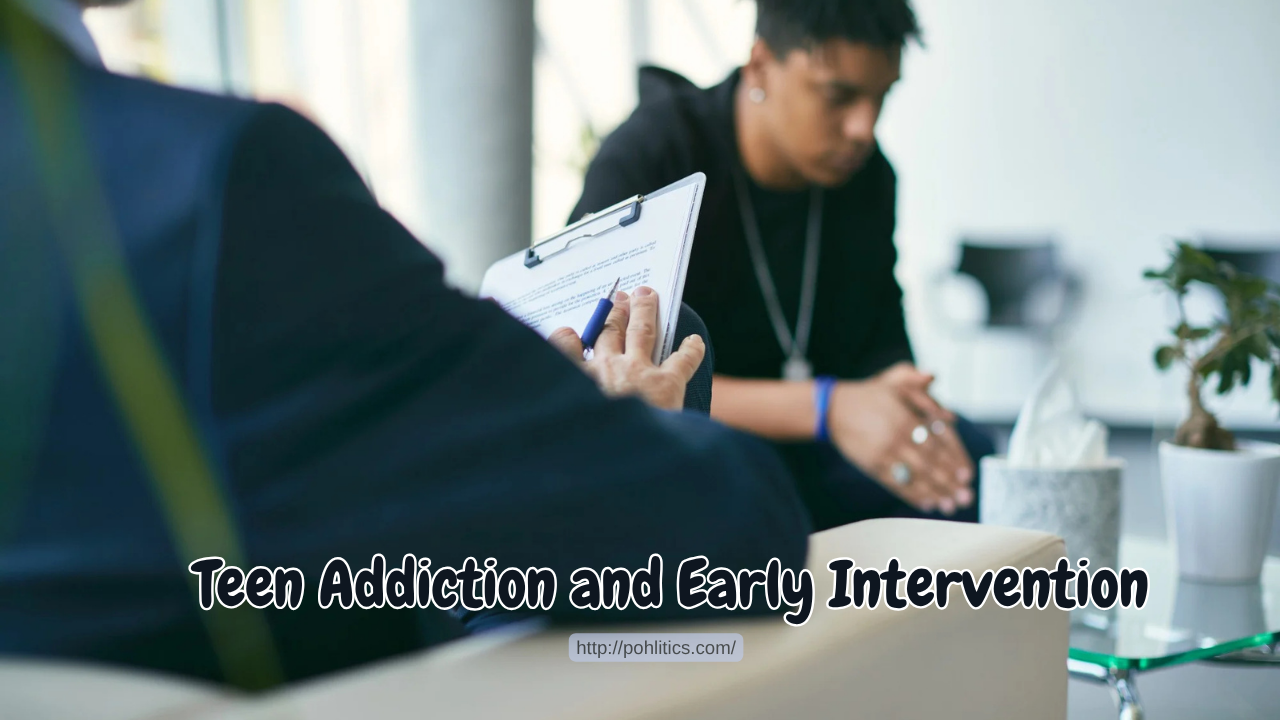
Licensed clinicians provide individual therapy that helps teens understand their emotions, thoughts, and behaviors. Group therapy creates a safe environment where teens can connect with peers, build trust, and practice communication skills. This combined approach supports emotional healing and reduces the risk of relapse.
Teaching Practical Life Skills
Mental health treatment also focuses on everyday skills that build resilience. Teens learn how to manage conflict, set boundaries, handle peer pressure, and communicate their needs. These skills empower young people to navigate school, relationships, and family life with greater confidence.
Inpatient and Outpatient Programs Designed for Teens
Michigan offers a full continuum of care to meet teens where they are in their recovery journey.
Inpatient Care for Stability and Focus
Inpatient programs provide a structured and supportive environment where teens can step away from daily stressors and triggers. These programs include medical supervision, therapy, academic support, and wellness activities. Inpatient care is especially helpful for teens who need intensive support or a safe space to stabilize early in recovery.
Outpatient Care That Encourages Independence
Outpatient programs allow teens to continue school and family life while receiving consistent treatment. Therapy sessions, group support, and holistic services are scheduled around daily responsibilities. This model helps teens apply recovery skills in real world situations while staying connected to professional care.
Holistic Approaches That Support Mind and Body
Holistic treatment is a key part of youth recovery in Michigan. Physical health and emotional health are deeply connected, especially during adolescence. Many programs include mindfulness practices, physical activity, nutrition education, and creative therapies such as art or music.
These services help teens manage stress, improve self awareness, and develop healthy routines. Holistic care also supports emotional regulation and self esteem, both of which are essential for building resilience after substance use.
Faith Based and Family Centered Support
For families seeking spiritual guidance, faith based recovery programs offer meaningful support alongside clinical treatment. These programs integrate spiritual principles, counseling, and community involvement to help teens find purpose and direction during recovery.
Family involvement is equally important. Michigan programs often include family therapy and education to strengthen communication and rebuild trust. When families are actively engaged, teens feel supported and more confident in their recovery journey.
Building a Stronger Tomorrow Starts Today
Michigan’s teen recovery programs are built on the understanding that young people need more than abstinence to succeed. They need resilience, emotional support, and personalized care that addresses every aspect of their lives. Through integrated mental health treatment, inpatient and outpatient services, holistic therapies, and faith based options, teens are learning how to grow stronger after substance use.
If your teen is struggling, reaching out for professional help can change the course of their future. Compassionate, individualized treatment can help your teen rebuild confidence, develop healthy coping skills, and move toward a stronger tomorrow. Help is available, and recovery is possible.