Addiction in Michigan: Understanding the Warning Signs and Taking the First Step Toward Recovery

Addiction continues to impact individuals and families across Michigan, often developing quietly before becoming a serious crisis. Many people do not recognize the early warning signs until substance use has already begun to affect relationships, work, health, and emotional well-being. Understanding these signs and knowing how to respond can make a critical difference. Recovery is possible, and taking the first step toward help is often the most important moment in the entire journey.

Understanding Addiction in Michigan

Addiction is a medical condition that affects brain chemistry, behavior, and emotional regulation. It is not a matter of willpower or moral failure. In Michigan, substance use disorders commonly involve alcohol, opioids, prescription medications, and stimulants. Each case is unique, but the impact on individuals and families is often deeply felt.

How Addiction Develops Over Time

Substance use often begins as a way to cope with stress, trauma, pain, or mental health challenges. Over time, the brain begins to rely on the substance, making it difficult to stop without support. What may start as occasional use can gradually progress into dependency, where daily functioning becomes increasingly affected.

Warning Signs of Addiction

Recognizing the early signs of addiction can help individuals and families seek support sooner, improving the chances of successful recovery.

Behavioral Changes to Watch For

One of the most common indicators is a noticeable shift in behavior. This may include secrecy, withdrawal from loved ones, loss of interest in hobbies, or sudden changes in social circles. Individuals may also begin neglecting responsibilities at work, school, or home.

Emotional and Mental Health Indicators

Addiction often affects emotional stability. Mood swings, irritability, anxiety, depression, or emotional numbness may become more frequent. These changes are often linked to both substance use and underlying mental health conditions that need to be addressed together.

Physical and Lifestyle Signs

Physical symptoms may include fatigue, sleep disturbances, weight changes, or declining personal hygiene. Financial difficulties, missing money, or unexplained absences can also be warning signs that substance use is becoming more serious.

The Importance of Early Intervention

Early recognition and intervention can significantly improve recovery outcomes. When addiction is addressed sooner, individuals are more likely to respond positively to treatment and avoid long-term complications.

Why Many People Delay Getting Help

Fear, shame, and denial are common barriers to seeking treatment. Many individuals believe they can manage the problem on their own or worry about judgment from others. However, addiction is a condition that typically requires professional support to overcome safely and effectively.

Taking the First Step Toward Recovery in Michigan

Recovery begins with a decision to seek help. In Michigan, there are a variety of treatment options designed to meet individuals where they are and guide them toward healing.

Inpatient Treatment for Structured Support

Inpatient programs provide a safe and structured environment where individuals can focus entirely on recovery. These programs offer medical supervision, therapy, mental health care, and daily routines that support stabilization and healing.

Outpatient Programs for Flexible Care

Outpatient treatment allows individuals to receive professional support while maintaining daily responsibilities. Through counseling, group therapy, and mental health services, individuals can build recovery skills while continuing to engage in everyday life.

Holistic and Faith-Based Support Options

Many treatment programs in Michigan now include holistic and faith-based approaches. These methods focus on healing the whole person, including emotional, physical, and spiritual well-being. Practices such as mindfulness, exercise, nutrition support, and spiritual counseling can strengthen long-term recovery.

Mental Health and Addiction Recovery Together

Addiction and mental health are often closely connected. Conditions such as anxiety, depression, and trauma frequently contribute to substance use. Effective treatment addresses both issues at the same time.

Integrated Treatment for Better Outcomes

Integrated care helps individuals understand the root causes of addiction while developing healthier coping strategies. Therapy, counseling, and supportive care work together to promote long-term emotional stability and recovery success.

Moving Forward with Hope

Addiction in Michigan is a serious challenge, but recovery is absolutely possible. With the right support, individuals can move beyond substance use and begin rebuilding their lives. Treatment programs, community support, and personalized care all play an important role in this process.

If you or someone you love is noticing the warning signs of addiction, reaching out for help is the most important first step. Recovery does not happen overnight, but with compassion, guidance, and professional support, lasting change is within reach.


Why More Michigan Families Are Seeking Holistic Addiction Treatment and Mental Health Support

Families across Michigan are increasingly searching for addiction treatment programs that go beyond traditional approaches. While medical care and evidence-based therapy remain essential, many individuals and loved ones now recognize that lasting recovery often requires healing the mind, body, and spirit together. This growing shift toward holistic addiction treatment and integrated mental health support reflects a deeper understanding of how addiction develops and what true recovery actually looks like.

For many Michigan families, recovery is no longer viewed as simply stopping substance use. Instead, it is seen as an opportunity to rebuild emotional health, strengthen relationships, restore stability, and create a healthier future for the entire family.

Understanding the Link Between Addiction and Mental Health

Addiction rarely exists on its own. Many individuals struggling with substance use are also dealing with anxiety, depression, trauma, grief, or chronic stress. Without addressing these underlying mental health concerns, recovery can become much more difficult to maintain.

Why Integrated Treatment Matters

Families are seeking programs that treat addiction and mental health together because they understand the connection between emotional pain and substance use. Someone battling untreated anxiety may turn to alcohol for relief, while another person coping with trauma may misuse prescription medications or opioids to escape emotional distress.

Integrated treatment programs focus on identifying these root causes while helping individuals build healthier coping strategies. This approach creates a stronger foundation for long-term recovery and emotional stability.

The Rise of Holistic Addiction Treatment in Michigan

Holistic addiction treatment continues to grow in popularity because it supports the whole person rather than focusing only on symptoms. Michigan families are increasingly drawn to programs that combine clinical care with wellness-focused therapies designed to improve overall quality of life.

Healing Beyond Substance Use

Holistic treatment recognizes that addiction impacts every area of life. Recovery programs may include mindfulness practices, nutrition counseling, exercise, meditation, stress management, and creative therapies alongside traditional counseling and medical support.

These approaches help individuals reconnect with themselves physically and emotionally while developing healthier daily routines that support sobriety.

Supporting Emotional and Physical Wellness

Substance use often takes a serious toll on physical health and emotional balance. Holistic therapies can help reduce stress, improve sleep, strengthen self-awareness, and support emotional regulation during recovery. Many individuals find that these practices provide practical tools they can continue using long after treatment ends.

Inpatient and Outpatient Programs That Meet Individual Needs

Every recovery journey is different, which is why personalized care is so important. Michigan families are seeking treatment programs that offer flexibility and individualized support based on each person’s circumstances.

Inpatient Treatment for Structured Healing

Inpatient programs provide a highly supportive environment where individuals can focus entirely on recovery without outside distractions. These programs often include medical supervision, therapy, wellness activities, and mental health treatment in a structured setting.

For individuals facing severe addiction or unstable living situations, inpatient care can provide the stability needed to begin healing safely and effectively.

Outpatient Programs for Ongoing Support

Outpatient care allows individuals to continue managing work, school, or family responsibilities while receiving professional treatment. Therapy sessions, support groups, and mental health services help clients build recovery skills while staying connected to daily life.

This flexibility makes outpatient care a valuable option for many families seeking continued support during recovery.

Faith-Based Recovery and Community Support

Many Michigan families also value faith-based recovery programs that provide spiritual guidance and a sense of purpose throughout the healing process.

Finding Strength Through Faith and Connection

Faith-based programs often encourage personal reflection, accountability, and connection to supportive communities. For many individuals, spiritual support helps strengthen resilience during difficult moments and creates a renewed sense of hope for the future.

Community support also plays a major role in long-term recovery. Peer groups, counseling, and family involvement help reduce isolation while reinforcing healthy habits and positive relationships.

Recovery Is About Rebuilding Lives

Addiction affects more than the individual. It impacts entire families, relationships, and communities. That is why modern recovery programs focus not only on sobriety but also on helping individuals rebuild meaningful and stable lives.

Personalized Recovery Creates Lasting Change

Families are choosing personalized addiction treatment because they want care that reflects their loved one’s unique experiences, challenges, and goals. Individualized treatment plans help people feel understood, respected, and supported throughout every stage of recovery.

Moving Forward with Hope

More Michigan families are seeking holistic addiction treatment and mental health support because they understand that recovery involves more than managing symptoms. It requires compassion, individualized care, emotional healing, and long-term support.

If your family is facing the challenges of addiction, know that help is available. Recovery is possible with the right combination of professional treatment, holistic healing, and supportive care. Reaching out today can be the first step toward rebuilding health, restoring relationships, and creating a future filled with hope and stability.

Finding Hope in Michigan: What Addiction Recovery Really Looks Like Today

Addiction recovery in Michigan is no longer defined by a single path or a one-size-fits-all approach. Today, it is a flexible, compassionate, and highly personalized process that meets people where they are. For individuals and families facing substance use challenges, this shift brings something essential back into focus: hope. Recovery is not just about stopping substance use. It is about rebuilding health, restoring relationships, and creating a life that feels stable and meaningful again.

Understanding Addiction in Today’s Reality

Addiction affects people from every background in Michigan. It does not discriminate based on age, income, or lifestyle. It often begins quietly, sometimes connected to stress, trauma, chronic pain, or untreated mental health conditions.

Addiction and Mental Health Are Connected

One of the most important changes in modern recovery is the recognition that addiction and mental health are deeply connected. Anxiety, depression, PTSD, and unresolved trauma frequently contribute to substance use. When both conditions are treated together, individuals have a significantly better chance of long-term recovery.

Integrated care is now a core part of effective treatment, ensuring that healing addresses the full picture of a person’s experience.

What Addiction Recovery Looks Like in Michigan Today

Recovery today is not about isolation or punishment. It is about support, structure, and individualized care that evolves with each stage of the journey.

Inpatient Treatment for Stabilization and Focus

Inpatient programs provide a structured environment where individuals can step away from daily pressures and focus entirely on healing. These programs include medical support, therapy sessions, and daily routines that help stabilize both physical and emotional health.

For many people in Michigan, inpatient care becomes the foundation that helps them safely begin recovery, especially during early or severe stages of addiction.

Outpatient Programs That Support Real Life Recovery

Outpatient treatment offers flexibility while still providing professional guidance. Individuals attend therapy sessions, group counseling, and mental health support while continuing work, school, or family responsibilities.

This approach allows people to practice recovery skills in real-world settings, which is essential for building confidence and long-term stability.

The Role of Personalized and Holistic Care

Modern addiction treatment in Michigan recognizes that no two recovery journeys are the same. Personalized care plans ensure that treatment reflects each individual’s needs, history, and goals.

Individualized Treatment Planning

Personalized recovery programs may include a combination of therapy, medical support, behavioral counseling, and peer support. This tailored approach helps individuals feel seen and understood rather than treated as a number.

When treatment is customized, engagement improves and outcomes become more sustainable.

Holistic Healing for Whole-Person Recovery

Holistic care has become an important part of addiction recovery. It focuses on healing the mind, body, and spirit together. Common practices include mindfulness, nutrition support, physical activity, stress management techniques, and creative therapies.

These approaches help individuals rebuild healthy routines and reconnect with themselves in meaningful ways.

Faith-Based and Community Support in Recovery

Many people in Michigan also find strength through faith-based programs and community support systems. Recovery is often easier when individuals feel connected to something larger than themselves.

The Power of Community Connection

Support groups, peer recovery networks, and community programs provide encouragement and accountability. Sharing experiences with others who understand the journey can reduce isolation and increase motivation to stay committed to recovery.

Life After Treatment: Building Lasting Recovery

Recovery does not end when treatment concludes. In fact, ongoing support is one of the most important parts of long-term success.

Aftercare and Continued Support

Aftercare services may include continued therapy, relapse prevention planning, alumni programs, and support groups. These resources help individuals navigate challenges and maintain progress over time.

Families also play a vital role in recovery. Education and family counseling help rebuild trust and create healthier communication patterns at home.

Finding Hope in Michigan

Addiction recovery today is more hopeful, more personalized, and more supportive than ever before. Across Michigan, individuals are finding pathways to healing that honor their unique experiences and challenges.

If you or someone you love is struggling with addiction, know that help is available. Recovery is not only possible, it is achievable with the right support system in place. Reaching out to a professional treatment provider can be the first step toward a healthier, more stable future.

Hope is not distant. In Michigan, it is already part of the recovery journey.

Addicted in Michigan: How Personalized Recovery Programs Help People Rebuild Their Lives

Addiction can change every aspect of a person’s life, from physical health and emotional well-being to relationships, finances, and future goals. Across Michigan, individuals and families are facing the difficult realities of substance use disorders while searching for real solutions that offer lasting healing. The encouraging truth is that recovery is possible, especially when treatment is built around the unique needs of each individual. Personalized recovery programs are helping people throughout Michigan move beyond addiction and rebuild lives grounded in stability, purpose, and hope.

Understanding Addiction Beyond the Surface

Addiction is not simply about substance use. It is often connected to deeper emotional, psychological, and environmental factors. Many individuals struggling with addiction are also dealing with trauma, anxiety, depression, grief, or chronic stress. Without addressing these underlying issues, long-term recovery becomes far more difficult.

Why Individualized Care Matters

Every person experiences addiction differently. One individual may struggle with alcohol dependency linked to untreated anxiety, while another may misuse prescription medications following physical injury or emotional trauma. Personalized recovery programs recognize these differences and create treatment plans that fit the individual rather than forcing everyone into the same approach.

This level of individualized care often leads to stronger engagement in treatment and better long-term outcomes because clients feel understood, supported, and respected throughout the recovery process.

The Role of Comprehensive Treatment Programs in Michigan

Michigan residents seeking addiction recovery have access to a variety of treatment options designed to support healing at every stage. Effective programs combine evidence-based care with compassion, structure, and flexibility.

Inpatient Treatment for Intensive Support

Inpatient treatment programs provide a safe and structured environment where individuals can focus entirely on recovery. These programs are especially beneficial for people experiencing severe addiction, unstable living conditions, or co-occurring mental health disorders.

During inpatient care, clients receive medical supervision, therapy, emotional support, and wellness services that help stabilize both physical and mental health. This setting also reduces outside distractions and triggers, allowing individuals to focus fully on healing.

Outpatient Care for Continued Recovery

Outpatient treatment allows individuals to receive professional support while continuing to manage daily responsibilities such as work, school, or family obligations. These programs often include individual counseling, group therapy, relapse prevention education, and mental health services.

For many people in Michigan, outpatient care creates a balanced recovery experience that encourages accountability while allowing clients to apply coping skills in real-world situations.

Addressing Mental Health and Addiction Together

Mental health treatment is a critical part of successful addiction recovery. Substance use disorders and mental health conditions often exist together, creating a cycle that can feel impossible to escape without professional support.

Treating Co-Occurring Disorders

Integrated treatment programs help individuals understand how emotional struggles contribute to addiction. Therapy can help clients process trauma, manage stress, improve emotional regulation, and build healthier thought patterns.

By treating both addiction and mental health simultaneously, recovery programs provide a stronger foundation for long-term stability and personal growth.

Holistic and Faith-Based Approaches to Healing

True recovery involves healing the whole person, not just stopping substance use. Many Michigan treatment programs now incorporate holistic and faith-based approaches that support emotional, physical, and spiritual wellness.

Holistic Recovery Strategies

Holistic care may include mindfulness practices, fitness programs, nutrition counseling, meditation, and stress management techniques. These methods help individuals reconnect with themselves while developing healthier daily routines.

Finding Strength Through Faith and Community

Faith-based recovery programs can also provide comfort, purpose, and connection during difficult moments. Many individuals find that spiritual guidance and supportive communities help strengthen motivation and reinforce long-term recovery goals.

Building a Life After Addiction

Recovery is not only about overcoming addiction. It is about rebuilding confidence, relationships, and a sense of purpose. Long-term success often depends on ongoing support, aftercare planning, and strong community connections.

The Importance of Aftercare and Continued Support

Aftercare services may include continued therapy, support groups, sober living resources, and relapse prevention planning. These tools help individuals navigate challenges after treatment and maintain the progress they have worked hard to achieve.

Families also play an important role in the healing process. Family counseling and education help rebuild trust, improve communication, and create healthier home environments that support recovery.

Moving Forward with Hope

Addiction can leave people feeling hopeless, but recovery programs across Michigan are helping individuals rediscover their strength and rebuild meaningful lives. Personalized care, mental health support, holistic healing, and compassionate guidance all work together to create lasting change.

If you or someone you love is struggling with addiction, reaching out for professional help can be the first step toward a healthier future. Recovery is possible, and with the right support system, individuals can move beyond addiction and create lives filled with purpose, connection, and hope.

Understanding Addiction in Michigan: Signs, Support, and Recovery Options

Addiction is a growing concern across Michigan, affecting individuals, families, and entire communities. It is not a moral failure or a lack of willpower, but a complex medical condition that impacts brain function, emotional health, and behavior. For those struggling with substance use, understanding the signs of addiction, knowing where to find support, and exploring treatment options can be the first steps toward meaningful recovery. With the right care and guidance, healing is possible, and many Michigan residents are already rebuilding their lives through structured and compassionate treatment programs.

Recognizing the Signs of Addiction

Identifying addiction early can make a significant difference in recovery outcomes. The signs are not always obvious at first, but they often become more noticeable over time.

Behavioral and Emotional Changes

One of the most common indicators of addiction is a shift in behavior. This may include secrecy, withdrawal from family and friends, or loss of interest in activities that were once important. Individuals may also experience mood swings, irritability, anxiety, or depression. These emotional changes often reflect the internal struggle that comes with substance use.

Physical and Lifestyle Indicators

Addiction can also present through physical symptoms such as fatigue, changes in sleep patterns, sudden weight changes, or a decline in personal hygiene. Financial difficulties, missed obligations, or legal issues may also appear as substance use begins to interfere with daily life. Recognizing these warning signs early can help families and individuals seek support before the situation worsens.

Support Systems for Addiction Recovery in Michigan

Recovery is not something that happens alone. Strong support systems are essential for long-term healing. In Michigan, individuals have access to a variety of resources designed to provide care, structure, and encouragement.

The Role of Family and Community Support

Family involvement can be a powerful part of the recovery process. Open communication, understanding, and education help reduce stigma and create a supportive environment for healing. Community programs, peer groups, and recovery networks also provide accountability and connection, helping individuals feel less isolated.

Professional Guidance and Treatment Centers

Licensed treatment providers offer structured programs that address both addiction and underlying mental health concerns. These professionals guide individuals through every stage of recovery, from initial assessment to aftercare planning. Their support ensures that treatment is safe, personalized, and effective.

Recovery Options Available in Michigan

Michigan offers a wide range of treatment options to meet the diverse needs of individuals seeking help. Choosing the right approach depends on the severity of addiction, personal circumstances, and mental health needs.

Inpatient Treatment Programs

Inpatient care provides a structured and supportive environment where individuals can focus entirely on recovery. These programs include medical supervision, therapy sessions, group counseling, and holistic care practices. Inpatient treatment is often recommended for those with severe addiction or co-occurring mental health conditions.

Outpatient Treatment Programs

Outpatient care allows individuals to receive treatment while continuing to manage work, school, or family responsibilities. These programs include counseling, therapy, and ongoing support while offering greater flexibility. Outpatient treatment is ideal for those who need continued guidance without full-time residential care.

Holistic and Faith-Based Approaches

Holistic treatment focuses on healing the whole person, including emotional, physical, and spiritual well-being. Services may include mindfulness practices, nutrition support, exercise, and stress management techniques. Faith-based programs offer additional support through spiritual guidance and community connection, which can strengthen motivation and resilience during recovery.

Building a Path Toward Lasting Recovery

Recovery is not a single event but a long-term process. Aftercare programs, support groups, and ongoing therapy help individuals maintain progress and prevent relapse. These resources provide continued accountability and encourage healthy habits that support long-term stability.

Moving Forward with Hope

Addiction can feel overwhelming, but recovery is possible with the right support and treatment. Michigan offers a wide range of resources designed to help individuals move from struggle to stability. By recognizing the signs of addiction, seeking support, and exploring available treatment options, individuals can begin a journey toward lasting change.

If you or a loved one is struggling with addiction, reaching out for help is the most important step. With compassionate care, personalized treatment, and ongoing support, a healthier and more fulfilling future is within reach.

From Crisis to Healing: Navigating Addiction Treatment in Michigan

Addiction often reaches a point where life feels unmanageable. For many individuals and families in Michigan, that moment of crisis can be frightening, confusing, and overwhelming. It may involve a health emergency, legal trouble, or the emotional toll of watching a loved one struggle. Yet within that crisis lies an opportunity for change. With the right treatment, compassionate support, and a personalized plan, individuals can move from instability to healing and begin building a life grounded in recovery.

Understanding the Nature of Addiction

Addiction is not simply a lack of willpower. It is a complex condition that affects brain function, behavior, and emotional health. In Michigan, substances such as opioids, alcohol, prescription medications, and methamphetamine continue to impact individuals and families across the state.

The Link Between Addiction and Mental Health

Many people who struggle with addiction also experience underlying mental health challenges. Anxiety, depression, trauma, and chronic stress often contribute to substance use. Without proper care, these issues can make recovery more difficult. Integrated treatment that addresses both addiction and mental health is essential for lasting healing.

Recognizing a Crisis Moment

A crisis can look different for everyone. It may be a sudden overdose, a breakdown in relationships, or the realization that substance use is no longer controllable. While painful, these moments can serve as turning points that lead individuals to seek help.

Taking the First Step Toward Treatment

Reaching out for professional support is one of the most important steps in recovery. It may feel intimidating, but treatment providers in Michigan are equipped to guide individuals through the process with care and understanding. The goal is to create a safe, supportive environment where healing can begin.

Exploring Addiction Treatment Options in Michigan

Michigan offers a range of treatment programs designed to meet the unique needs of each individual. Choosing the right level of care is a key part of the recovery journey.

Inpatient Treatment for Intensive Care

Inpatient programs provide a structured setting where individuals can focus fully on recovery. These programs include medical supervision, therapy, and daily routines that support stability. Inpatient care is especially beneficial for those with severe addiction or co-occurring mental health conditions.

Outpatient Programs for Continued Support

Outpatient treatment allows individuals to receive therapy and counseling while maintaining daily responsibilities. These programs emphasize flexibility and real-world application of recovery skills. For many, outpatient care provides the balance needed to sustain progress over time.

Holistic and Faith-Based Healing Approaches

Recovery involves more than physical sobriety. Holistic approaches focus on healing the whole person, including emotional, physical, and spiritual well-being. Practices such as mindfulness, nutrition, and exercise support overall health. Faith-based programs offer additional guidance, purpose, and community, helping individuals stay grounded in their recovery journey.

Building a Personalized Path to Recovery

Every individual’s experience with addiction is different. Personalized treatment plans take into account each person’s history, challenges, and goals.

Therapy, Support, and Family Involvement

Individual counseling helps uncover the root causes of addiction and develop healthier coping strategies. Group therapy provides connection and shared understanding, while family involvement helps rebuild trust and strengthen relationships. Together, these elements create a strong foundation for recovery.

Aftercare and Long-Term Healing

Recovery continues beyond the initial treatment phase. Aftercare programs, peer support groups, and ongoing counseling provide essential tools for maintaining progress. These resources help individuals manage triggers, prevent relapse, and stay connected to a supportive community.

Moving Forward with Hope

Transitioning from crisis to healing is not easy, but it is possible. Michigan offers compassionate, professional addiction treatment services that guide individuals every step of the way. With the right support, individuals can move beyond the challenges of addiction and build a life defined by stability, purpose, and hope.

If you or a loved one is facing addiction, now is the time to take action. Reaching out to a trusted treatment provider can open the door to recovery and lasting change. Healing begins with one step, and that step can lead to a healthier, more fulfilling future.

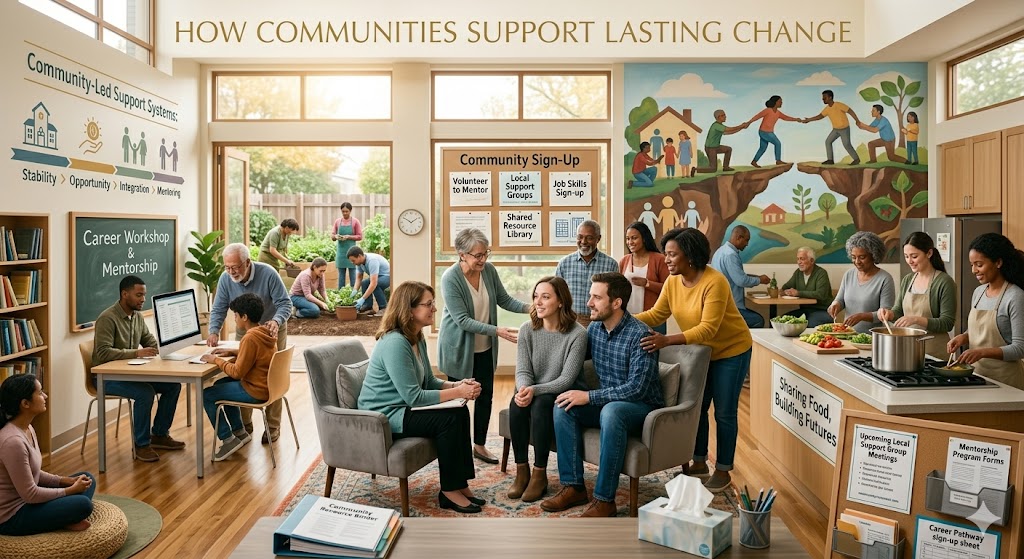
Michigan Addiction Recovery: How Communities Support Lasting Change

Addiction recovery in Michigan is not a journey that happens in isolation. It is shaped and strengthened by the communities that surround each individual. From treatment professionals and support groups to family members and faith-based networks, community involvement plays a critical role in helping people move from active addiction to lasting change. For those seeking recovery, understanding how these systems work together can make the path forward feel more achievable and hopeful.

The Role of Community in Addiction Recovery

Recovery is more than stopping substance use. It is about rebuilding a life that feels stable, meaningful, and connected. In Michigan, communities are stepping forward to provide the structure, compassion, and accountability that individuals need to succeed.

Breaking Isolation Through Connection

One of the most challenging aspects of addiction is the sense of isolation it creates. Community support helps individuals reconnect with others who understand their experiences. Whether through peer support groups, counseling sessions, or local outreach programs, these connections reduce shame and encourage open communication.

Reducing Stigma and Encouraging Help

Communities also play a key role in reducing stigma around addiction and mental health treatment. When people feel safe to talk about their struggles, they are more likely to seek help early. Education and awareness initiatives across Michigan are helping individuals and families understand that addiction is a treatable condition, not a personal failure.

Treatment Programs That Support Lasting Change

Effective recovery begins with access to quality treatment. Michigan offers a range of programs designed to meet individuals where they are and guide them toward long-term healing.

Inpatient Care for Stabilization

Inpatient treatment provides a structured and supportive environment for individuals who need intensive care. These programs include medical supervision, therapy, and daily routines that promote stability. By removing external triggers and distractions, inpatient care allows individuals to focus fully on their recovery journey.

Outpatient Programs for Continued Growth

Outpatient care provides flexibility while maintaining professional support. Individuals can attend therapy sessions, participate in group counseling, and receive mental health treatment while continuing to manage work, school, or family responsibilities. This balance helps reinforce recovery skills in real-life situations.

Holistic and Faith-Based Approaches

Communities across Michigan are increasingly embracing holistic and faith-based approaches to recovery. These programs address the whole person, focusing on emotional, physical, and spiritual well-being. Practices such as mindfulness, exercise, and nutrition support healing, while faith-based guidance offers purpose, hope, and a sense of belonging.

The Importance of Personalized Care

No two individuals experience addiction in the same way. Personalized treatment plans ensure that care is tailored to each person’s needs, history, and goals.

Individual and Family Support

Individual therapy helps clients explore the root causes of addiction and develop healthier coping strategies. At the same time, family involvement strengthens relationships and creates a more supportive home environment. When families are engaged in the recovery process, outcomes often improve significantly.

Aftercare and Long-Term Support

Lasting change requires ongoing support beyond initial treatment. Aftercare programs, peer groups, and continued counseling provide accountability and guidance. These resources help individuals navigate challenges, prevent relapse, and maintain the progress they have worked hard to achieve.

Building a Strong Foundation for the Future

Recovery is a lifelong journey that requires commitment, support, and access to the right resources. Michigan communities are demonstrating that when individuals are supported by compassionate professionals and engaged networks, lasting change is possible.

If you or a loved one is struggling with addiction, reaching out to a trusted treatment provider can be the first step toward a healthier future. With the support of community programs, personalized care, and holistic approaches, individuals can move beyond addiction and build a life defined by stability, purpose, and hope.

Breaking Free from Addiction in Michigan: Stories and Resources That Work

Addiction affects thousands of people across Michigan, disrupting lives, families, and communities. For those struggling with substance use, finding hope and support can feel overwhelming. The good news is that recovery is possible. Through professional treatment programs, community resources, and personalized care, individuals can break free from addiction and rebuild meaningful, healthy lives. Michigan offers a range of options, from inpatient and outpatient programs to holistic and faith-based approaches, designed to meet the diverse needs of those seeking help.

Understanding Addiction in Michigan

Addiction is a complex condition that affects the brain, body, and behavior. Common substances of misuse in Michigan include alcohol, opioids, prescription medications, and methamphetamine. Addiction often develops as a way to cope with stress, trauma, or mental health challenges such as anxiety or depression. Without intervention, substance use can lead to serious consequences, including relationship difficulties, job loss, legal issues, and declining physical health.

The Connection Between Addiction and Mental Health

Many individuals struggling with addiction also face co-occurring mental health conditions. Treating both addiction and mental health together is critical for lasting recovery. Integrated programs offer therapy, counseling, and holistic strategies that address emotional well-being, coping skills, and overall resilience.

Stories of Recovery from Michigan Residents

While statistics can feel impersonal, personal stories show that recovery is achievable. These examples illustrate the variety of paths individuals take toward healing.

Sarah’s Journey

Sarah from Detroit battled opioid addiction for several years. After reaching a crisis point, she entered an inpatient program that provided medical supervision, counseling, and group support. Holistic activities such as meditation and wellness exercises helped her regain balance. Today, Sarah maintains her sobriety, has rebuilt relationships, and actively participates in community support groups.

Michael’s Path to Healing

Michael from Grand Rapids struggled with alcohol dependence and depression. He chose an outpatient program that allowed him to continue work responsibilities while attending therapy and group sessions. Family involvement and peer support were key to his success. Michael now uses healthy coping strategies, engages in community activities, and mentors others in recovery.

Effective Recovery Resources in Michigan

Michigan offers a wide array of programs to support individuals at every stage of recovery.

Inpatient Programs

Inpatient care provides a structured environment for individuals who need intensive support. Programs include medical monitoring, one-on-one therapy, group counseling, and holistic wellness practices. Inpatient treatment is particularly beneficial for severe addiction or co-occurring mental health conditions.

Outpatient Programs

Outpatient care allows individuals to maintain daily responsibilities while receiving professional guidance. Programs focus on building coping skills, developing strategies to prevent relapse, and integrating recovery practices into daily life.

Holistic and Faith-Based Approaches

Holistic programs address the whole person, supporting physical, emotional, and spiritual health. Meditation, exercise, and nutrition are often incorporated into treatment. Faith-based programs provide community, spiritual guidance, and a sense of purpose, enhancing the recovery process.

Sustaining Recovery Through Aftercare

Recovery continues after formal treatment ends. Aftercare programs, peer support groups, and ongoing therapy help individuals maintain progress, navigate challenges, and prevent relapse. Family involvement and community support strengthen long-term outcomes and provide accountability.

Taking the First Step

Breaking free from addiction is possible for Michigan residents, but it begins with a single step: seeking help. Local recovery programs, compassionate professionals, and community resources offer guidance, support, and hope. If you or a loved one is struggling, reaching out today can be the start of a transformative journey toward healing, stability, and lifelong recovery.

Addicted in Michigan: Finding Hope Through Local Recovery Programs

Addiction affects thousands of individuals and families across Michigan each year, leaving emotional, physical, and social challenges in its wake. Struggling with substance use can feel isolating, but hope and healing are possible. Michigan offers a wide range of recovery programs, from inpatient and outpatient care to holistic and faith-based approaches, designed to meet the unique needs of each person. Understanding local resources and how to access them is a crucial first step toward reclaiming life from addiction.

Recognizing the Signs of Addiction

Early intervention can make a significant difference in recovery outcomes. Families and individuals should be aware of the behavioral, emotional, and physical signs of substance use disorders.

Behavioral and Emotional Indicators

People struggling with addiction may withdraw from loved ones, lose interest in hobbies or responsibilities, or exhibit sudden mood swings. Secrecy, irritability, and conflicts at home or work can indicate that substance use is becoming a problem. Emotional instability often accompanies addiction, highlighting the need for professional support.

Physical and Lifestyle Changes

Physical signs may include changes in sleep patterns, unexplained weight fluctuations, fatigue, or neglect of personal hygiene. Lifestyle disruptions such as financial difficulties, legal troubles, or frequent absences from work or school may also signal a growing problem. Recognizing these signs early allows families and individuals to seek help before the situation escalates.

Exploring Local Recovery Programs in Michigan

Michigan offers a variety of programs tailored to different needs, ensuring individuals receive comprehensive care that addresses both addiction and mental health challenges.

Inpatient Programs for Intensive Support

Inpatient treatment provides a structured environment where individuals can focus entirely on recovery. These programs include medical monitoring, individualized therapy, group counseling, and holistic wellness activities. Inpatient care is particularly effective for severe addiction or when co-occurring mental health conditions are present.

Outpatient Programs for Flexibility

Outpatient treatment allows individuals to receive professional support while maintaining work, school, or family responsibilities. Programs emphasize practical skills, coping strategies, and real-world application of recovery techniques. Outpatient care provides the guidance necessary to navigate daily life while building long-term sobriety.

Holistic and Faith-Based Approaches

Recovery extends beyond abstaining from substances. Holistic programs support the whole person by incorporating mindfulness, nutrition, exercise, and stress management practices. Faith-based approaches offer additional community support, spiritual guidance, and purpose, which can strengthen motivation and resilience throughout the recovery journey.

The Role of Family and Community Support

Strong support systems improve recovery outcomes. Families play a vital role in encouraging treatment, fostering open communication, and participating in counseling when appropriate. Community resources, such as peer support groups and local recovery networks, provide accountability, connection, and ongoing encouragement.

Personalized Recovery Plans

Each individual’s journey is unique. Personalized treatment plans consider the client’s history, strengths, and challenges. Therapy, family involvement, and aftercare strategies are tailored to ensure the best chance of long-term success. Relapse prevention planning is also an essential component, helping individuals recognize triggers and respond effectively.

Moving Forward with Hope

Addiction can feel overwhelming, but recovery is possible for Michigan residents who seek help. By connecting with local recovery programs, engaging with supportive communities, and embracing holistic and personalized care, individuals can reclaim their lives and build a foundation for lasting health and stability.

Taking the first step toward recovery requires courage, but resources and guidance are available. If you or a loved one is struggling with addiction, reaching out to a professional program today can mark the beginning of a transformative journey toward hope, healing, and lifelong recovery.

Understanding Addiction in Michigan: Local Resources and Lifelong Recovery Strategies

Addiction affects thousands of Michigan residents every year, touching individuals, families, and entire communities. It is a complex condition that impacts the brain, body, and behavior, often accompanied by mental health challenges such as depression, anxiety, or trauma. While the path to recovery can feel overwhelming, Michigan offers a variety of resources and treatment options designed to help individuals regain control, heal, and build a foundation for lifelong recovery.

Recognizing the Signs of Addiction

Early recognition of addiction can greatly improve outcomes. Families and individuals should be aware of both behavioral and physical signs.

Behavioral Indicators

Changes in mood, withdrawal from social activities, increased secrecy, or declining performance at work or school may all indicate a struggle with substance use. Irritability, sudden emotional highs and lows, and conflicts within the household are also common signs.

Physical and Lifestyle Warning Signs

Physical symptoms might include fatigue, changes in sleep or appetite, weight fluctuations, or neglect of personal hygiene. Financial stress, missing possessions, or repeated legal issues can also signal that substance use is becoming problematic. Observing these signs early can help families intervene and seek professional guidance before the condition worsens.

Michigan’s Addiction Recovery Resources

Michigan provides a variety of treatment options to support individuals and families in the recovery process. Choosing the right program depends on the severity of addiction, co-occurring mental health conditions, and personal circumstances.

Inpatient Treatment for Intensive Care

Inpatient programs offer a structured environment where individuals can focus entirely on recovery. These programs provide medical supervision, individual therapy, group counseling, and holistic care activities such as mindfulness, physical wellness, and nutrition guidance. Inpatient treatment is particularly beneficial for those with severe addiction or co-occurring mental health challenges.

Outpatient Programs for Flexibility

Outpatient care allows individuals to maintain daily responsibilities while receiving therapy and support. These programs emphasize skill development, coping strategies, and real-world application of recovery techniques. Outpatient treatment is ideal for individuals who require professional guidance while balancing work, school, or family commitments.

Holistic and Faith-Based Approaches

Recovery is not only about abstaining from substances. Holistic programs address the whole person, supporting emotional, physical, and spiritual well-being. Practices such as meditation, exercise, nutrition counseling, and mindfulness enhance mental and physical health. Faith-based programs provide community, guidance, and a sense of purpose, helping individuals connect with values and hope during recovery.

Building a Personalized Recovery Plan

No two recovery journeys are the same. Personalized treatment plans consider an individual’s history, strengths, and challenges.

Family Involvement and Counseling

Family support plays a critical role in recovery. Counseling and family therapy help rebuild trust, improve communication, and strengthen relationships. Individual therapy allows clients to understand the root causes of addiction, develop healthy coping mechanisms, and gain confidence in their ability to maintain sobriety.

Aftercare and Lifelong Recovery

Recovery continues after treatment concludes. Aftercare programs, support groups, and ongoing therapy provide accountability, help manage triggers, and reinforce healthy habits. Lifelong recovery strategies focus on building resilience, maintaining support networks, and preventing relapse through education and skill-building.

Moving Forward with Hope

Addiction in Michigan is a serious challenge, but recovery is possible. By accessing local resources, engaging with compassionate professionals, and participating in personalized treatment, individuals can overcome substance use disorders and create meaningful, lasting change.

Taking the first step toward recovery requires courage, but support is available. Whether through inpatient care, outpatient programs, holistic practices, or faith-based guidance, Michigan residents have access to comprehensive resources that promote healing, stability, and lifelong well-being. Reaching out today can be the beginning of a transformative journey toward hope and health.