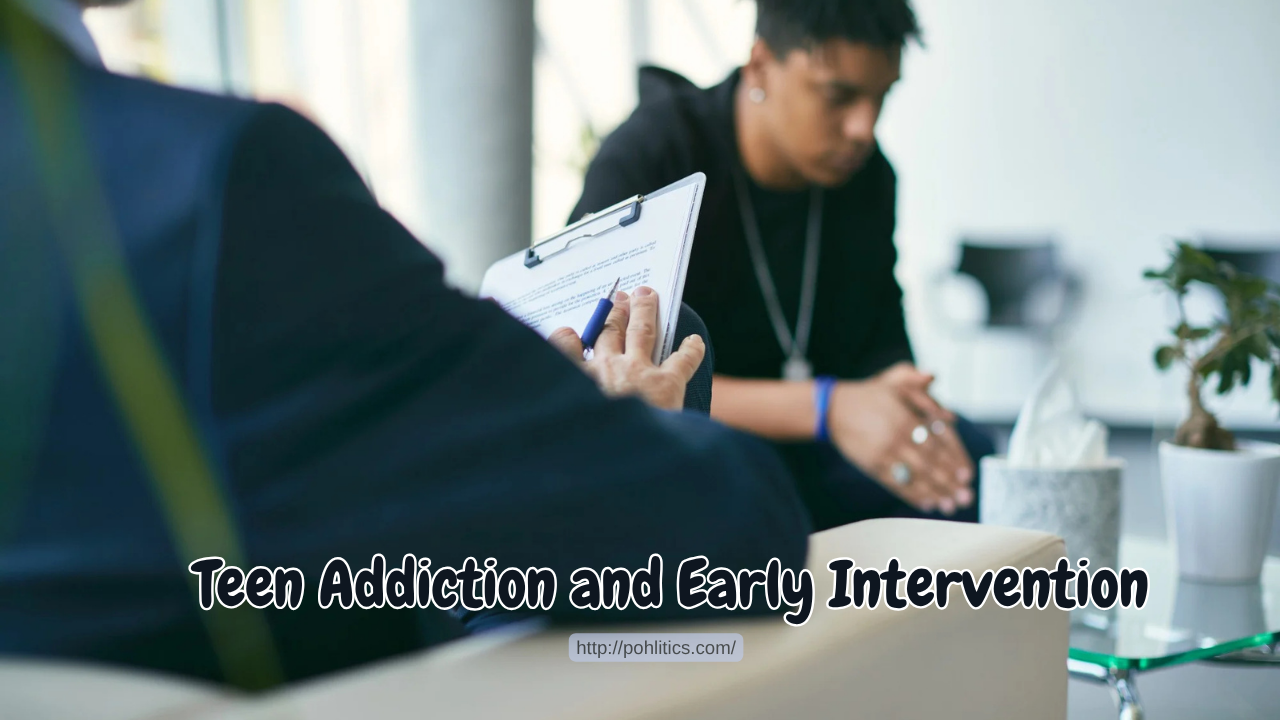
Breaking the Cycle: Innovative Addiction Support for Young Michiganders

Substance use among teens and young adults in Michigan is a significant concern that requires thoughtful and individualized intervention. Early exposure to drugs or alcohol can affect brain development, mental health, and overall well-being. Michigan provides a range of youth-focused recovery services designed to guide young people toward lasting healing through compassionate care, evidence-based therapies, and holistic approaches.

Understanding the Unique Needs of Teens and Young Adults

Adolescence and early adulthood are critical periods for personal and emotional development. During these years, young people navigate school, friendships, and identity formation. Substance use can disrupt this process and often co-occurs with mental health challenges such as anxiety, depression, or trauma. Recovery programs that address these interconnected issues help teens and young adults build the foundation for a stable and fulfilling life.

Comprehensive Mental Health Support

Effective youth recovery programs integrate mental health care with addiction treatment. Licensed therapists work with teens through individual and group counseling to develop coping skills, emotional resilience, and healthy decision-making strategies. Family therapy sessions also play a crucial role by improving communication, strengthening bonds, and fostering supportive home environments.

Inpatient and Outpatient Options

Michigan offers both inpatient and outpatient programs to meet the varying needs of youth in recovery. Inpatient care provides structured environments where teens receive continuous supervision, therapy, and medical support. Outpatient programs allow young people to continue their education and daily routines while attending regular therapy sessions, support groups, and holistic treatments such as mindfulness exercises, yoga, and creative therapies.

Holistic and Faith-Based Approaches

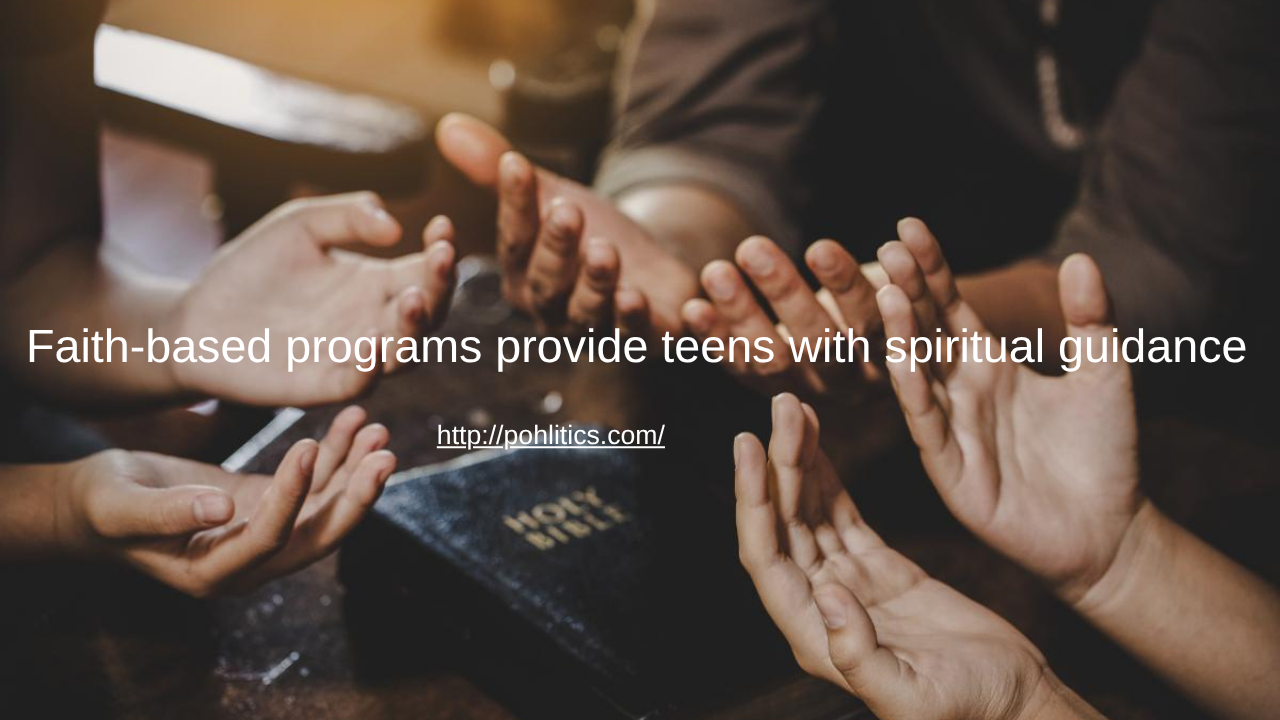
Many Michigan recovery programs incorporate holistic or faith-based principles to support emotional, spiritual, and physical healing. Holistic therapies may include nutrition counseling, exercise programs, and stress management techniques, all aimed at promoting overall well-being. Faith-based programs integrate spiritual guidance and community support to create nurturing environments where young people can find purpose, strength, and connection.

Engaging Families and Communities

Recovery is most successful when families and communities are actively involved. Programs encourage parents and caregivers to participate in counseling, educational workshops, and support networks. Community engagement initiatives provide safe spaces for teens to connect with mentors, peers, and role models who reinforce positive behaviors and reduce the risk of relapse.

Accessing Youth Recovery Services in Michigan

Families seeking help can start by contacting local mental health agencies, hospitals, or specialized recovery centers. The Michigan Department of Health and Human Services (MDHHS) offers resources and directories to help locate youth-focused treatment programs. Peer-led support groups such as Alateen and Young People in Recovery provide additional guidance and a sense of community.

Practical Steps for Parents and Caregivers

  1. Identify early signs of substance use, such as changes in behavior, academic performance, or social interactions.
  2. Seek professional assessment from qualified addiction and mental health specialists.
  3. Choose programs that offer individualized care, family involvement, and holistic support.
  4. Utilize community resources and peer support networks to reinforce recovery at home and in daily life.

Conclusion

Michigan offers a comprehensive network of recovery services that address the unique needs of teens and young adults. Through individualized care, family engagement, holistic therapies, and faith-based support, these programs help young people reclaim their lives and build a foundation for lasting sobriety. Families and caregivers are encouraged to take the first step today by reaching out to licensed recovery centers or community programs. Early intervention, compassionate guidance, and a supportive network can transform a young person’s life and open the door to a hopeful, healthy future.

Youth in Recovery: Where Michigan Teens and Young Adults Find Healing

Youth addiction recovery programs in Michigan prioritize integrated mental health care. Therapists and counselors work closely with teens to address underlying emotional and psychological issues that contribute to substance use. Services often include individual therapy, group counseling, family therapy, and psychiatric support when necessary. This integrated approach ensures that recovery is not just about abstinence but about developing resilience and healthy coping strategies.

Inpatient and Outpatient Programs

Michigan provides both inpatient and outpatient recovery options to meet diverse needs. Inpatient programs offer structured environments where teens receive round-the-clock care, medication management, and intensive therapy. Outpatient programs provide flexibility, allowing young people to continue education and maintain family connections while attending regular therapy sessions and support groups. These programs often incorporate holistic therapies such as mindfulness, yoga, and art therapy to complement traditional treatment methods.

Holistic and Faith-Based Approaches

Many youth recovery centers in Michigan embrace holistic and faith-based models. Holistic approaches treat the whole person, addressing physical, emotional, and spiritual health. Activities such as meditation, nutritional guidance, and exercise programs support overall wellbeing and help teens build a balanced lifestyle. Faith-based programs incorporate spiritual principles and community support, offering guidance and encouragement in a structured, nurturing environment.

Family and Community Engagement

Family involvement is a critical component of successful youth recovery. Programs encourage parents and caregivers to participate in therapy sessions, educational workshops, and support groups. Community engagement also plays a significant role, providing safe spaces for teens to connect with peers, mentors, and recovery role models. This supportive network reinforces positive behaviors and reduces the risk of relapse.

Accessing Recovery Services in Michigan

Families seeking help can access services through local mental health agencies, hospitals, and specialized recovery centers. Tools such as the Michigan Department of Health and Human Services treatment locator provide up-to-date information on available programs. Additionally, support groups like Alateen and Young People in Recovery offer peer-led guidance and mentorship, creating a sense of community and accountability.

Practical Steps for Parents and Caregivers

  1. Recognize the signs of substance use early, including changes in behavior, academic performance, or social circles.
  2. Seek professional assessment from licensed addiction specialists or mental health professionals.
  3. Explore programs that offer personalized care plans, family involvement, and holistic support.
  4. Engage with community resources and peer support networks to reinforce recovery at home and in daily life.

Conclusion

Michigan offers a comprehensive landscape of recovery services for teens and young adults, combining clinical expertise with holistic and faith-based support. By addressing the unique developmental, emotional, and social needs of youth, these programs provide a foundation for lasting recovery. Families and caregivers are encouraged to take the first step today by reaching out to licensed recovery centers or community support programs. Early intervention and compassionate care can transform a crisis into a pathway to healing, growth, and a brighter future.

From Crisis to Comeback: Inside Michigan’s Youth Addiction Treatment Landscape

Adolescents and young adults in Michigan face mounting substance use challenges that often go unrecognized—until crisis strikes. In response, the state has developed a growing infrastructure of age‑specific addiction services to guide youth from crisis toward recovery, resilience, and restoration.

🚨 The Crisis Young Michiganders Face

Michigan’s youth battle a range of substance use issues—from alcohol and marijuana to prescription drugs and opioids. The critical period of adolescence overlaps with brain development, meaning early misuse can lead to long-term impacts on mental health, education, and wellbeing.

Specialized Adolescent Services at the Forefront

Adolescent Addiction Recovery Center (AARC), Troy

Located at Children’s Hospital of Michigan, AARC provides outpatient treatment exclusively for under‑18 youth. It offers therapy, psychiatric evaluation, outpatient detox, and long-term recovery care for severe substance use cases—regardless of insurance status or ability to pay.

Henry Ford Health’s Teen Addiction Program

Through Henry Ford Health’s Maplegrove Center, teens receive tailored outpatient care that includes family involvement, behavioral therapy, and coordination with addiction medicine specialists. The program prioritizes comprehensive assessment and support.

Youth in High-Risk Settings

Michigan Youth Treatment Center (MYTC)

MYTC is a secure, state-run facility for young men aged 12‑20 facing juvenile justice involvement. It combines trauma-informed care, cognitive behavioral interventions, education, and family involvement to support recovery and reduce reoffending risk.

Other Settings

Organizations like Ozone House in Ann Arbor offer crisis shelters and transitional programs, including case management and work training for vulnerable youth aged 10–21—helping prevent downstream dependency and homelessness.

Holistic & Peer-Based Supports

Programs like Hope’s Destiny integrate peer support and creative therapies—such as art and music therapy or equine therapy—to help teens express and process trauma while building recovery skills. They also include medication monitoring when MAT is appropriate.

The Michigan Department of Health and Human Services (MDHHS) supports frameworks that include Youth Peer Recovery Coach training, Alateen, SMART Recovery Teen meetings, and connections to Young People in Recovery chapters—promoting community-based peer support and empowerment.

Broader System-Level Improvements

To connect youth with appropriate care, MDHHS launched an upgraded SUD treatment mapping tool via the MI Bridges platform. This searchable resource allows families to find licensed adolescent and young adult treatment providers by ZIP code, service type, and payer acceptance, including Medicaid.

In addition, the expansion of the Health Home program to include alcohol and stimulant disorders and statewide coverage ensures more youth receive integrated, coordinated care through Medicaid—with peer recovery coaches central to managing social determinants of health.

A Journey from Crisis to Comeback

Michigan’s youth addiction treatment landscape reflects a commitment to cutting-edge, evidence-based care across settings:

  • Therapy‑focused outpatient centers like AARC and Henry Ford offer tailored clinical treatment.
  • Secure treatment facilities, such as MYTC, meet high-risk needs with structure and safety.
  • Community nonprofits like Ozone House provide shelter, peer care, and life skills for vulnerable youth.
  • Holistic programs like Hope’s Destiny emphasize creative healing and peer connection.
  • System-level tools and Medicaid strategies improve access and continuity of care.

Taken together, these resources form a layered safety net—transforming crisis into a hopeful comeback for Michigan’s young people. If you or someone you care about is seeking youth‑specific treatment, explore services via MDHHS, MI Bridges, or trusted local providers today.

Hope for the Future: How Michigan Supports Teen and Young Adult Recovery

Substance use among teenagers and young adults is a growing concern across the United States, including in Michigan. Recognizing the unique challenges this age group faces, Michigan has developed a range of recovery services specifically designed to support young people on the path to sobriety. These programs offer hope for a brighter, healthier future by combining clinical care with community support, education, and life skills development.

Why Specialized Recovery Services Matter

Adolescence and early adulthood are critical periods for brain development. Substance use during these formative years can lead to long-term physical, emotional, and mental health consequences. Early intervention is key to preventing lifelong addiction and helping young people rebuild their lives before the consequences become more severe.

Teen and young adult recovery programs in Michigan focus on the unique psychological, social, and developmental needs of this age group. By offering age-appropriate services, these programs ensure young people receive treatment that addresses not just addiction, but also co-occurring issues such as mental health challenges, trauma, and peer pressure.

Michigan’s Youth Recovery Resources

1. The Adolescent Recovery Program (ARP) at Henry Ford Health

Henry Ford Health’s ARP is designed for teens struggling with substance use. The program provides outpatient services that include individual therapy, group counseling, and family support. The focus is on teaching coping skills, promoting emotional regulation, and preventing relapse.

2. The University of Michigan Addiction Treatment Services (UMATS)

UMATS provides specialized care for adolescents and young adults through outpatient programs that combine behavioral therapy with medical care. Services include assessments, treatment planning, and medication-assisted treatment when appropriate.

3. Dawn Farm Youth Services

Dawn Farm offers a variety of recovery support services for young people, including residential treatment, outpatient care, and transitional housing. Their programs emphasize peer support, community involvement, and long-term recovery strategies.

4. Michigan Youth Treatment Infrastructure Enhancement (MYTIE)

The MYTIE initiative works to increase access to evidence-based addiction treatment for Michigan’s youth. This statewide project strengthens the capacity of local agencies to provide specialized care for teens and young adults.

Family and Community Involvement

Recovery for young people is most successful when families and communities are actively involved. Many Michigan programs incorporate:

  • Family therapy sessions to improve communication and rebuild trust.
  • Educational workshops for parents and caregivers to understand addiction and recovery.
  • School collaborations to support academic success alongside treatment.

Accessing Support in Michigan

Families seeking help can connect with these programs through the Michigan Department of Health and Human Services (MDHHS) or by using tools like the SAMHSA Treatment Locator. School counselors, pediatricians, and local community mental health agencies can also provide referrals.

Conclusion

Michigan is committed to helping teens and young adults overcome substance use challenges. By offering specialized programs that address both addiction and the broader developmental needs of young people, the state provides hope for a healthier, brighter future. With the right support, Michigan’s youth can rebuild their lives, find their purpose, and thrive in recovery.

Turning the Tide: Addiction Recovery Programs for Michigan’s Youth

Adolescents and young adults face unique challenges when it comes to substance use and addiction. From peer pressure and academic stress to mental health issues and trauma, the factors contributing to youth substance use are complex and often misunderstood. In Michigan, a growing network of addiction recovery programs is helping to turn the tide for teens and young adults seeking a path to sobriety and wellness.

The Growing Need for Youth-Focused Recovery Services

Substance use among Michigan’s youth remains a serious concern. According to state data, many young people experiment with alcohol, marijuana, and prescription drugs before the age of 18. Early intervention is critical, as addiction that begins in adolescence often leads to long-term health and social problems. Fortunately, Michigan has stepped up its efforts by offering specialized treatment programs designed for the developmental needs of this population.

Michigan-Based Recovery Programs for Teens and Young Adults

1. University Pediatricians’ Adolescent Addiction Recovery Center (AARC)

Located in Detroit, AARC is a leader in adolescent addiction treatment. The center offers outpatient care that includes psychiatric evaluations, therapy, and support for families. Programs are tailored to help teens manage co-occurring mental health issues like anxiety and depression.

2. Pine Rest Christian Mental Health Services

With locations across Michigan, Pine Rest offers adolescent-specific services that address addiction and behavioral health. Their approach integrates individual counseling, group therapy, and family involvement, all within a faith-sensitive framework.

3. Dawn Farm Youth and Family Services

Dawn Farm, based in Ann Arbor and Ypsilanti, focuses on recovery support rooted in peer accountability and community engagement. Their youth programs encourage participation in 12-step groups and provide long-term support through transitional housing and outpatient services.

4. Michigan Youth Treatment Infrastructure Enhancement (MYTIE) Project

A state-funded initiative, MYTIE works to improve access to evidence-based treatment for adolescents with substance use disorders. Through partnerships with local agencies, MYTIE expands services and strengthens the workforce trained to support youth recovery.

Holistic and Family-Centered Approaches

Effective teen addiction recovery programs go beyond detox or short-term rehab. They address the emotional, psychological, and social factors driving substance use. Michigan’s programs often incorporate:

  • Family therapy to rebuild trust and communication.
  • School-based interventions to support academic success.
  • Life skills training to prepare youth for adulthood.
  • Peer mentoring and support groups tailored for young people.

Accessing Services

Families can access youth addiction treatment services through:

  • The Michigan Department of Health and Human Services (MDHHS) website and local community health agencies.
  • School counselors and pediatricians who can provide referrals.
  • Helplines and directories, such as SAMHSA’s treatment locator, which includes age-specific filters.

Conclusion

Michigan’s youth addiction recovery programs are helping turn the tide on substance use by offering targeted, compassionate, and comprehensive care. These services not only support teens and young adults in achieving sobriety but also equip them with the tools to build healthy, fulfilling lives. For families facing the challenges of youth addiction, Michigan’s recovery network offers hope, healing, and a path forward.

Rebuilding After Addiction: Job Training and Housing Assistance for Michigan Residents

Recovering from addiction is more than achieving sobriety—it’s about rebuilding a life. In Michigan, numerous programs support this second chance by providing job training, vocational support, and safe, supportive housing tailored to individuals in recovery.

🏠 Recovery Housing: A Foundation for Lasting Change

Stable housing is the foundation of successful recovery. Michigan’s Recovery Housing Investment Program (RHIP), funded through opioid settlement dollars, offers grants and forgivable loans to nonprofit providers to establish certified recovery homes for individuals overcoming substance use disorders.

Nonprofits like Fresh Coast Alliance offer alcohol- and drug-free residences with certified housing managers, peer support, and onsite case management. Residents commit to sobriety, random testing, and structured schedules while accessing job training and counseling.

Local groups such as Recovery Advocates In Livingston (RAIL) operate sober living homes with case management, life skills training, vocational support, and connections to legal and healthcare services . Many of these residences are certified by MARR or NARR, ensuring quality and safety.

🛠 Job Training & Employment Support: Skills for a New Start

Reintegrating into the workforce plays a key role in restoring dignity and purpose. Programs across Michigan help residents develop skills and secure employment:

  • Detroit Rescue Mission Ministries (DRMM) integrates vocational training into its housing programs. Through on-the-job training, participants learn practical skills in both public-service and administrative roles—preparing them for civilian employment .
  • Great Lakes Recovery Centers run “Rebuilding LIVES After Addiction,” a grant-funded program in Michigan’s Upper Peninsula. It provides job placement assistance, resume workshops, mentorship, and supportive peer coaching, along with access to recovery housing and other wraparound services.
  • Community organizations like Live Rite Recovery offer vocational assistance through their Recovery Resource Center. Services include job coaching, peer support, clothing assistance, and housing scholarships. Their programs extend to certified peer recovery coach training and realtor licensing .

🤝 Integrated Support: Case Management & Peer Assistance

Most of these programs recognize that employment and housing challenges are interlinked. They don’t just provide roofs or résumés—they offer holistic support:

  • Peer recovery coaches guide participants through relapse prevention, healthcare access, legal aid, and life skills training.
  • Case managers coordinate benefits like Medicaid, SNAP, and SSI/SSDI, ensuring stability in income and health coverage.
  • Many operate under the Housing First model, prioritizing permanent housing without requiring abstinence first, then layering on support services .

🛎 How to Access These Services

  1. Contact state or local recovery housing programs, such as RHIP, RAIL, or Fresh Coast, to inquire about available beds and waitlists.
  2. Reach out to recovery organizations like DRMM, Great Lakes Recovery, and Live Rite to explore vocational and housing pathways tailored to your region.
  3. Engage with peer recovery support systems who can provide mentorship and help navigate bureaucratic or logistical barriers.

✅ Conclusion

Michigan’s integrated approach—combining certified recovery housing, workforce training, peer support, and case management—empowers people in recovery to rebuild their lives. By linking safe, sober living environments with meaningful employment and ongoing support, these programs help individuals regain stability, purpose, and autonomy. If you or someone you know is overcoming addiction, exploring these Michigan-based services could be the key to lasting recovery and renewed hope.

Faith-Based and Holistic Addiction Recovery Resources in Michigan

Michigan offers a diverse array of addiction recovery programs that integrate faith-based principles and holistic approaches, catering to individuals seeking spiritual and comprehensive healing pathways. These programs address not only the physical aspects of addiction but also the emotional, mental, and spiritual dimensions, providing a well-rounded support system for those on the journey to recovery.


Faith-Based Recovery Programs

Faith-based recovery centers in Michigan provide environments where spiritual growth is integral to the healing process. These programs often incorporate religious teachings, prayer, and community support to help individuals overcome addiction.

  • Selah House Recovery: Located in Hudsonville, Selah House is a residential recovery home for Christian women dealing with alcohol, marijuana, or prescription medication dependence. The program emphasizes faith-based principles to support women in their recovery journey. Selah House Recovery
  • Endeavor House Ministries: This ministry offers a one-year residential program focusing on the “Eight Recovery Principles” of Celebrate Recovery, the 12 steps of Alcoholics Anonymous, and biblical teachings. The program aims to rebuild personal and community relationships through faith. endeavorhouseministries.com
  • The Salvation Army Southeast Michigan Adult Rehabilitation Center (ARC): Based in Detroit, the ARC provides a holistic, residential, faith-based work therapy program that replaces self-defeating habits with productive and meaningful activities, emphasizing spiritual growth as a cornerstone of recovery. Semi Michigan

Holistic Recovery Programs

Holistic recovery programs in Michigan focus on treating the whole person—mind, body, and spirit—through a combination of traditional and alternative therapies. These programs often include practices such as yoga, meditation, acupuncture, and nutritional counseling.

  • Enlightened Recovery Michigan: Located in Kalamazoo, Enlightened Recovery offers a holistic approach to addiction treatment, incorporating complementary therapies alongside traditional methods to treat the whole person. Enlightened Recovery
  • Sanford Behavioral Health: This facility provides a holistic detox program that combines traditional medicine with complementary therapies, focusing on healing the body, mind, and spirit to achieve long-term recovery. Sanford Behavioral Health
  • Liberty House Recovery Center: Situated in the Michigan countryside, Liberty House offers a serene environment for holistic recovery, combining evidence-based treatments with holistic therapies to support individuals in their journey to sobriety. Liberty House Recovery Center

Choosing the Right Program

When selecting a recovery program, consider the following factors:

  • Personal Beliefs: Choose a program that aligns with your spiritual or holistic beliefs to ensure a supportive environment.
  • Treatment Approaches: Evaluate the therapies and practices offered to determine if they meet your individual needs.
  • Location and Accessibility: Consider the program’s location and whether it provides the necessary amenities and support systems.

Michigan’s diverse range of faith-based and holistic recovery programs offers individuals the opportunity to find a path to sobriety that resonates with their personal values and healing preferences.

Teen and Young Adult Addiction Recovery Programs in Michigan

Substance use among teenagers and young adults is a pressing concern in Michigan, where early intervention and specialized support are crucial for long-term recovery. Recognizing the unique challenges faced by this age group, the state offers a variety of programs tailored to meet their specific needs.


Understanding the Need

Adolescents and young adults often grapple with peer pressure, identity exploration, and emotional turbulence, making them susceptible to substance misuse. Early exposure can lead to long-term dependency, affecting their health, education, and relationships. Therefore, age-appropriate interventions are essential.


Specialized Treatment Centers

Michigan hosts numerous facilities dedicated to youth recovery:Addicted

  • Pine Rest Christian Mental Health Services: Located in Grand Rapids, Pine Rest offers comprehensive behavioral health services, including addiction treatment for adolescents. Their programs address co-occurring mental health conditions, providing a holistic approach to recovery. Wikipedia
  • University Pediatricians’ Adolescent Addiction Recovery Center (AARC): Based in Detroit, AARC specializes in treating adolescents with substance use disorders, emphasizing the importance of addressing concurrent mental health issues. universitypediatricians.org
  • Henry Ford Health’s Teen Addiction Care: This program focuses on individualized treatment plans for teens, incorporating family involvement and education to support sustained recovery. Henry Ford Health

Supportive Community Programs

Beyond clinical settings, community-based initiatives play a vital role:

  • Ozone House: Operating in Ann Arbor, Ozone House provides emergency shelter, counseling, and transitional living programs for at-risk youth aged 10–21, addressing both immediate needs and long-term recovery goals. Wikipedia
  • Alateen: A branch of Al-Anon, Alateen offers support groups for teenagers affected by someone else’s drinking, creating a safe space to share experiences and coping strategies. Michigan.gov

Accessing Services

The Michigan Department of Health and Human Services (MDHHS) provides resources to help families locate appropriate treatment options. Their online directories list licensed providers specializing in adolescent and young adult care. Michigan.gov

Additionally, organizations like Recovery.com offer comprehensive listings of rehab centers across the state, allowing users to filter by age group, treatment type, and location. Recovery.com


Conclusion

Addressing substance use in teens and young adults requires a multifaceted approach, combining clinical treatment with community support. Michigan’s array of specialized programs underscores the state’s commitment to nurturing the well-being of its younger population. Families and individuals seeking assistance are encouraged to explore these resources to embark on a path toward recovery.

How to Find Help: Addiction Hotlines and Recovery Programs in Michigan

When facing addiction, finding the right support can be overwhelming. For many residents of Michigan, the journey to recovery begins with reaching out for help, whether that’s through addiction hotlines or recovery programs. Fortunately, Michigan offers a variety of resources designed to help individuals and families access the support they need, regardless of where they are in their recovery process. This article explores some of the top addiction hotlines and recovery programs available in Michigan, providing a clear pathway for those seeking assistance.

1. Addiction Hotlines: Immediate Access to Help

For individuals seeking immediate support or information about addiction treatment, hotlines are a crucial first step. Michigan offers several helplines that provide confidential, 24/7 assistance to those in need.

Michigan Addiction Hotline (1-888-733-7753) is a dedicated service for Michigan residents, offering free and confidential support. The hotline connects callers to local treatment facilities, recovery programs, and resources for families. Whether you’re seeking treatment for yourself or a loved one, the Michigan Addiction Hotline serves as a valuable starting point, providing guidance and referrals based on the specific needs of the caller.

Nationally, the SAMHSA National Helpline (1-800-662-HELP) is another resource that individuals in Michigan can access for support. This free, 24/7 helpline provides confidential assistance for those struggling with substance use disorders. It helps connect callers to local treatment centers, provides information on different recovery options, and offers emotional support.

For those in crisis situations, The National Suicide Prevention Lifeline (988) is also available. Although primarily focused on suicide prevention, this service is equipped to assist individuals who may be experiencing severe addiction-related crises, offering immediate support and directing callers to local resources.

2. Recovery Programs: Treatment Options Across Michigan

Michigan boasts a wide range of addiction recovery programs catering to various needs. From inpatient rehab centers to outpatient treatment and support groups, there are programs suited for individuals at every stage of recovery.

Inpatient Treatment Centers: For individuals in need of structured, 24/7 care, inpatient treatment centers are often the best option. These programs provide a safe environment where individuals can focus entirely on their recovery. Henry Ford Maplegrove Center in West Bloomfield and Dawn Farm in Ann Arbor are two prominent centers in Michigan, offering detox services, therapy, and long-term rehabilitation programs.

For those who require intensive care but are not in need of 24/7 supervision, outpatient services are available at centers like Brighton Center for Recovery. Outpatient programs offer the flexibility of living at home while attending treatment sessions during the week, allowing individuals to continue with work, school, or family responsibilities.

Detoxification Services: Detox is often the first step in addiction recovery, especially for those with severe physical dependence on drugs or alcohol. In Michigan, programs such as The Salvation Army Harbor Light Detox in Detroit provide medically supervised detox services, ensuring individuals can safely withdraw from substances in a controlled environment.

12-Step and Alternative Support Groups: Recovery programs are not limited to formal treatment centers. Peer support groups, such as Alcoholics Anonymous (AA) and Narcotics Anonymous (NA), have a strong presence across Michigan. These groups, based on the 12-step model, provide a community of individuals who share their experiences and support one another in recovery. For those looking for a secular or alternative approach, SMART Recovery (Self-Management and Recovery Training) offers evidence-based recovery strategies, helping individuals develop coping skills and tools to maintain sobriety.

3. Resources for Families and Loved Ones

Addiction impacts not just the individual but also their family and friends. Fortunately, Michigan offers resources for families who want to support their loved ones in recovery. Al-Anon and Nar-Anon are support groups designed for families and friends of individuals struggling with addiction. These groups provide a safe space for loved ones to share their experiences, receive emotional support, and learn how to navigate the challenges of supporting someone in recovery.

Additionally, The Partnership to End Addiction offers guidance and resources for families, providing educational materials, personalized support, and advocacy to help families cope with their loved one’s addiction.

Conclusion

Finding help for addiction in Michigan is a vital first step toward recovery, and the state offers a wealth of resources to support individuals at every stage of their journey. Whether it’s reaching out to a hotline for immediate assistance or exploring treatment centers and support groups, Michigan residents have access to a range of services that can provide the support needed to overcome addiction. No matter where you are in your journey, help is available, and it’s just a phone call away.

Statewide Addiction Support in Michigan: Resources for Families and Individuals

Addiction affects not just individuals, but also their families and communities. In Michigan, the need for comprehensive addiction support has led to the development of a robust network of resources tailored to address the diverse needs of those struggling with substance use disorders (SUDs) and their loved ones. Whether through treatment centers, support groups, or state-sponsored programs, Michigan offers various pathways to recovery and healing for both individuals and families.

1. Professional Treatment Options

Michigan provides access to a variety of treatment centers designed to cater to people at different stages of their recovery journey. These facilities offer medical detox, residential programs, and outpatient services to help individuals address the root causes of their addiction.

Henry Ford Maplegrove Center in West Bloomfield and Brighton Center for Recovery are among the leading facilities in the state, offering comprehensive care plans tailored to the needs of patients and their families. These programs often include therapy sessions that focus on family dynamics and healing broken relationships caused by addiction.

For individuals unable to commit to inpatient care, outpatient services provide flexibility. Centers such as Dawn Farm in Ann Arbor specialize in outpatient counseling, group therapy, and transitional housing. Family-focused sessions are also available to help relatives understand addiction and learn how to support their loved ones in recovery effectively.

2. Peer Support Groups for Individuals

Support groups offer a vital sense of community and shared understanding for those facing addiction. Michigan has a strong network of Alcoholics Anonymous (AA) and Narcotics Anonymous (NA) chapters that operate statewide, offering daily meetings both in person and online.

For individuals seeking a secular or alternative approach, SMART Recovery (Self-Management and Recovery Training) provides science-based techniques for overcoming addiction. These meetings focus on empowerment and self-reliance, equipping participants with tools to navigate cravings and triggers.

Another notable option is Celebrate Recovery, a faith-based recovery program that incorporates spiritual principles into the healing process. This program is particularly popular among those who wish to incorporate their faith into their recovery journey.

3. Support for Families

Families play a critical role in the recovery process, and Michigan offers specific resources to assist them. Al-Anon and Nar-Anon groups provide a safe space for family members to share their experiences, gain support, and learn strategies for coping with a loved one’s addiction.

For parents of teens struggling with addiction, organizations such as Partnership to End Addiction offer educational materials, webinars, and personalized support. These programs help families understand the challenges of addiction and provide tools for maintaining healthy relationships and boundaries.

4. State-Sponsored Programs

Michigan’s Department of Health and Human Services (MDHHS) runs several initiatives to support addiction recovery statewide. Through the Prepaid Inpatient Health Plan (PIHP) system, individuals can access treatment services regardless of their ability to pay. This Medicaid-funded program connects residents with services such as detoxification, residential treatment, and outpatient care.

Additionally, the Recovery Oriented Systems of Care (ROSC) initiative promotes long-term recovery by creating supportive networks across Michigan. These systems focus on community collaboration, emphasizing sustained recovery rather than short-term intervention.

5. Crisis Hotlines and Immediate Support

For those in immediate need, Michigan offers several helplines. The SAMHSA National Helpline (1-800-662-HELP) provides 24/7 confidential assistance, connecting callers to treatment services and support groups. Locally, the Michigan Addiction Hotline (1-888-733-7753) offers state-specific referrals and guidance.

Conclusion

Michigan’s statewide addiction support system is a lifeline for individuals and families grappling with substance use disorders. By combining professional treatment, peer support, and family-focused resources with state-sponsored initiatives, Michigan ensures a comprehensive approach to recovery. With the right resources and a commitment to healing, individuals and their families can find hope, strength, and a path to lasting recovery.