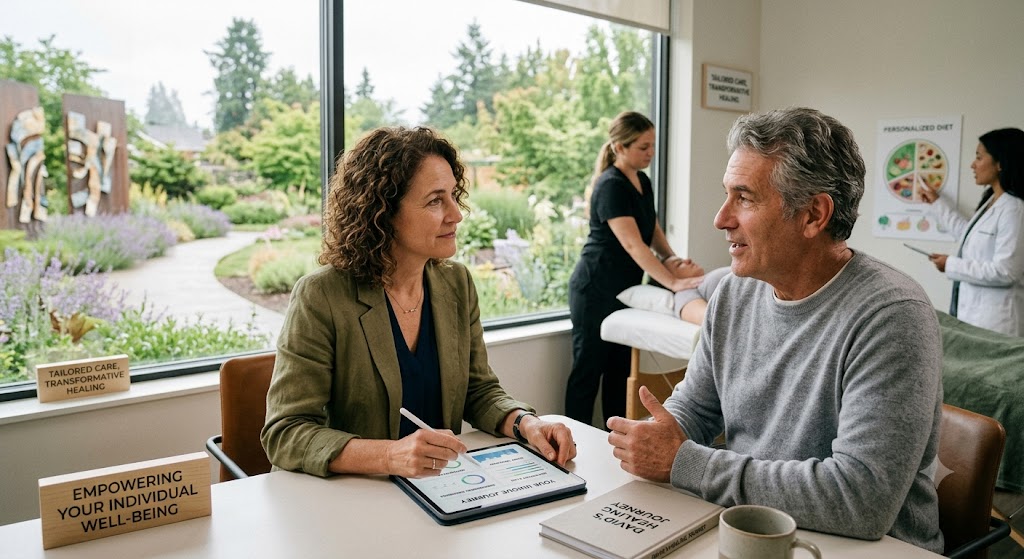
Addiction can leave individuals and families feeling overwhelmed, uncertain, and alone. Across Michigan, thousands of people face the daily challenges of substance use disorders, often while struggling with underlying mental health concerns. The good news is that recovery is possible, and it often begins with finding the right support at the right time. Whether someone is taking their first step toward treatment or returning to recovery after a setback, compassionate and personalized care can make all the difference. By understanding the available treatment options and support systems, individuals can begin building a path toward lasting healing and hope.
Understanding Addiction and the Need for Support
Addiction is a complex condition that affects every aspect of a person’s life. It impacts physical health, emotional well-being, relationships, employment, and overall quality of life. While the effects can be devastating, addiction is a treatable condition, and recovery is achievable with professional guidance and ongoing support.
Addiction Often Involves More Than Substance Use
Many individuals who struggle with addiction are also coping with mental health conditions such as anxiety, depression, trauma, or post-traumatic stress disorder. These co-occurring disorders can fuel substance use and make recovery more challenging without comprehensive treatment.
This is why modern addiction treatment focuses on treating the whole person rather than simply addressing the symptoms of substance use. When mental health and addiction are treated together, individuals are better equipped to achieve long-term recovery.
Recognizing When It Is Time to Seek Help
One of the most important steps in recovery is recognizing when professional support is needed. Addiction can gradually take control of daily life, making it difficult to identify the severity of the problem.
Common Warning Signs
Some signs that it may be time to seek treatment include:
- Increased tolerance and dependence on substances
- Difficulty stopping despite negative consequences
- Withdrawal from family and friends
- Changes in mood, behavior, or personality
- Problems at work, school, or home
- Ongoing mental health struggles that worsen substance use
Seeking help early can prevent further complications and open the door to effective treatment and recovery.
Treatment Options Available in Michigan
Michigan offers a variety of addiction treatment programs designed to meet individuals where they are in their recovery journey. The right level of care depends on each person’s unique needs, circumstances, and goals.
Inpatient Treatment Programs
Inpatient treatment provides a structured and supportive environment where individuals can focus entirely on recovery. These programs often include medical supervision, individual counseling, group therapy, mental health treatment, and wellness services.
For individuals with severe addiction, unstable living situations, or significant mental health concerns, inpatient care can provide the stability needed to begin healing.
Outpatient Treatment Programs
Outpatient care allows individuals to receive treatment while continuing to manage work, family, or educational responsibilities. These programs provide flexibility while maintaining access to therapy, support groups, and professional guidance.
Outpatient treatment can be an excellent option for those who need continued support but do not require around-the-clock care.
The Value of Holistic and Faith-Based Recovery
Recovery is about more than achieving sobriety. It is about creating a healthier and more fulfilling life. Holistic and faith-based approaches help individuals address emotional, physical, and spiritual well-being throughout the recovery process.
Holistic Healing Practices
Many treatment programs incorporate holistic therapies such as mindfulness, meditation, nutrition counseling, exercise, and stress management techniques. These practices help individuals develop healthier habits and improve overall wellness.
Faith-Based Support and Spiritual Growth
For many people, faith can provide strength, comfort, and purpose during recovery. Faith-based programs offer spiritual guidance and supportive communities that encourage personal growth and resilience.
Building a Strong Foundation for Long-Term Recovery
Recovery does not end when a treatment program is completed. Long-term success requires ongoing support, healthy routines, and a commitment to personal growth.
Aftercare and Continued Support
Aftercare services may include individual therapy, peer support groups, recovery coaching, and relapse prevention planning. These resources help individuals navigate challenges and remain focused on their recovery goals.
Family involvement is also an important component of lasting recovery. Family counseling and education can strengthen relationships and create a more supportive environment for healing.
Taking the First Step Toward a Better Future
The journey from addiction to recovery is not always easy, but it is one of the most rewarding transformations a person can experience. With the right support, compassionate care, and personalized treatment plan, individuals can overcome addiction and build lives filled with purpose, connection, and stability.
If you or someone you love is struggling with addiction in Michigan, now is the time to reach out for help. Professional treatment programs offer the guidance, tools, and support needed to begin healing. Recovery starts with a single step, and that step could change everything.