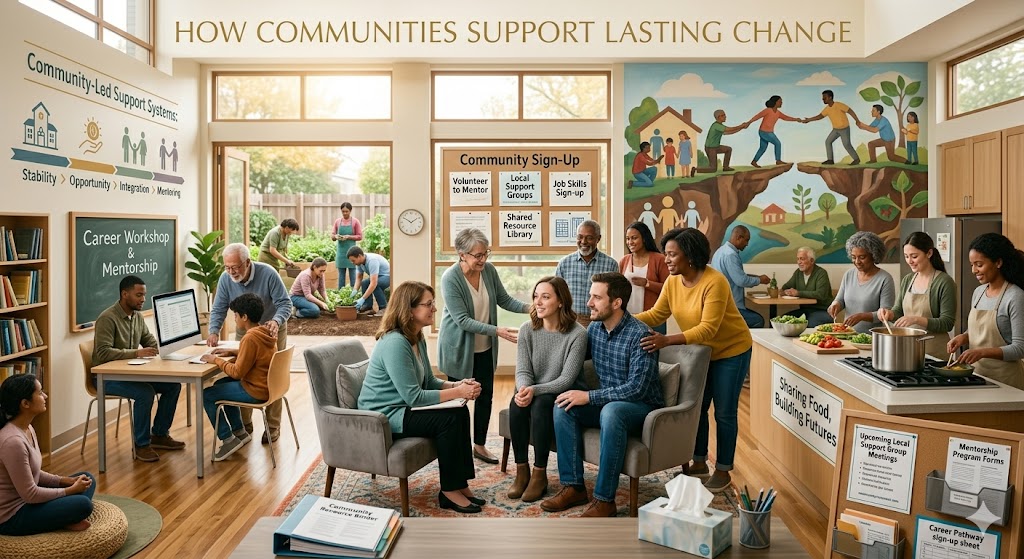
Addiction recovery in Michigan is not a journey that happens in isolation. It is shaped and strengthened by the communities that surround each individual. From treatment professionals and support groups to family members and faith-based networks, community involvement plays a critical role in helping people move from active addiction to lasting change. For those seeking recovery, understanding how these systems work together can make the path forward feel more achievable and hopeful.
The Role of Community in Addiction Recovery
Recovery is more than stopping substance use. It is about rebuilding a life that feels stable, meaningful, and connected. In Michigan, communities are stepping forward to provide the structure, compassion, and accountability that individuals need to succeed.
Breaking Isolation Through Connection
One of the most challenging aspects of addiction is the sense of isolation it creates. Community support helps individuals reconnect with others who understand their experiences. Whether through peer support groups, counseling sessions, or local outreach programs, these connections reduce shame and encourage open communication.
Reducing Stigma and Encouraging Help
Communities also play a key role in reducing stigma around addiction and mental health treatment. When people feel safe to talk about their struggles, they are more likely to seek help early. Education and awareness initiatives across Michigan are helping individuals and families understand that addiction is a treatable condition, not a personal failure.
Treatment Programs That Support Lasting Change
Effective recovery begins with access to quality treatment. Michigan offers a range of programs designed to meet individuals where they are and guide them toward long-term healing.
Inpatient Care for Stabilization
Inpatient treatment provides a structured and supportive environment for individuals who need intensive care. These programs include medical supervision, therapy, and daily routines that promote stability. By removing external triggers and distractions, inpatient care allows individuals to focus fully on their recovery journey.
Outpatient Programs for Continued Growth
Outpatient care provides flexibility while maintaining professional support. Individuals can attend therapy sessions, participate in group counseling, and receive mental health treatment while continuing to manage work, school, or family responsibilities. This balance helps reinforce recovery skills in real-life situations.
Holistic and Faith-Based Approaches
Communities across Michigan are increasingly embracing holistic and faith-based approaches to recovery. These programs address the whole person, focusing on emotional, physical, and spiritual well-being. Practices such as mindfulness, exercise, and nutrition support healing, while faith-based guidance offers purpose, hope, and a sense of belonging.
The Importance of Personalized Care
No two individuals experience addiction in the same way. Personalized treatment plans ensure that care is tailored to each person’s needs, history, and goals.
Individual and Family Support
Individual therapy helps clients explore the root causes of addiction and develop healthier coping strategies. At the same time, family involvement strengthens relationships and creates a more supportive home environment. When families are engaged in the recovery process, outcomes often improve significantly.
Aftercare and Long-Term Support
Lasting change requires ongoing support beyond initial treatment. Aftercare programs, peer groups, and continued counseling provide accountability and guidance. These resources help individuals navigate challenges, prevent relapse, and maintain the progress they have worked hard to achieve.
Building a Strong Foundation for the Future
Recovery is a lifelong journey that requires commitment, support, and access to the right resources. Michigan communities are demonstrating that when individuals are supported by compassionate professionals and engaged networks, lasting change is possible.
If you or a loved one is struggling with addiction, reaching out to a trusted treatment provider can be the first step toward a healthier future. With the support of community programs, personalized care, and holistic approaches, individuals can move beyond addiction and build a life defined by stability, purpose, and hope.