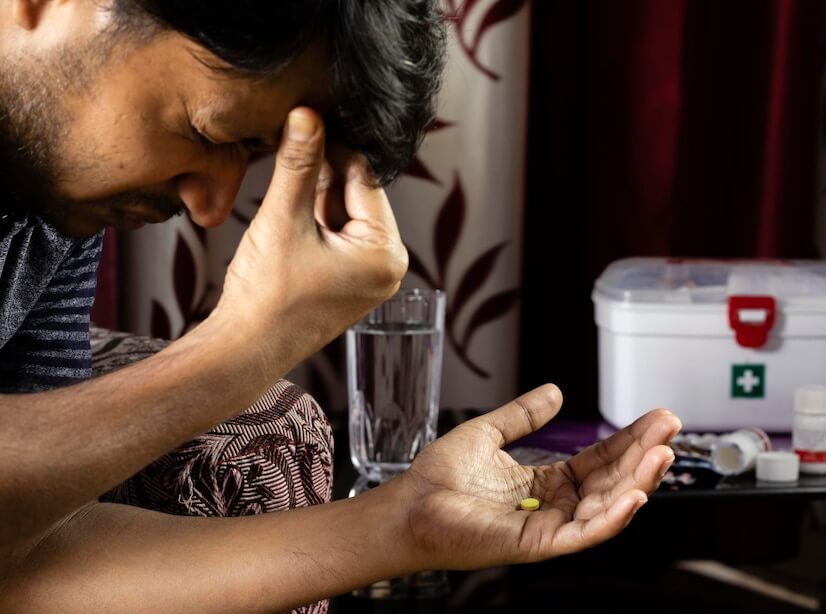
Addiction affects thousands of Michigan residents every year, touching individuals, families, and entire communities. It is a complex condition that impacts the brain, body, and behavior, often accompanied by mental health challenges such as depression, anxiety, or trauma. While the path to recovery can feel overwhelming, Michigan offers a variety of resources and treatment options designed to help individuals regain control, heal, and build a foundation for lifelong recovery.
Recognizing the Signs of Addiction
Early recognition of addiction can greatly improve outcomes. Families and individuals should be aware of both behavioral and physical signs.
Behavioral Indicators
Changes in mood, withdrawal from social activities, increased secrecy, or declining performance at work or school may all indicate a struggle with substance use. Irritability, sudden emotional highs and lows, and conflicts within the household are also common signs.
Physical and Lifestyle Warning Signs
Physical symptoms might include fatigue, changes in sleep or appetite, weight fluctuations, or neglect of personal hygiene. Financial stress, missing possessions, or repeated legal issues can also signal that substance use is becoming problematic. Observing these signs early can help families intervene and seek professional guidance before the condition worsens.
Michigan’s Addiction Recovery Resources
Michigan provides a variety of treatment options to support individuals and families in the recovery process. Choosing the right program depends on the severity of addiction, co-occurring mental health conditions, and personal circumstances.
Inpatient Treatment for Intensive Care
Inpatient programs offer a structured environment where individuals can focus entirely on recovery. These programs provide medical supervision, individual therapy, group counseling, and holistic care activities such as mindfulness, physical wellness, and nutrition guidance. Inpatient treatment is particularly beneficial for those with severe addiction or co-occurring mental health challenges.
Outpatient Programs for Flexibility
Outpatient care allows individuals to maintain daily responsibilities while receiving therapy and support. These programs emphasize skill development, coping strategies, and real-world application of recovery techniques. Outpatient treatment is ideal for individuals who require professional guidance while balancing work, school, or family commitments.
Holistic and Faith-Based Approaches
Recovery is not only about abstaining from substances. Holistic programs address the whole person, supporting emotional, physical, and spiritual well-being. Practices such as meditation, exercise, nutrition counseling, and mindfulness enhance mental and physical health. Faith-based programs provide community, guidance, and a sense of purpose, helping individuals connect with values and hope during recovery.
Building a Personalized Recovery Plan
No two recovery journeys are the same. Personalized treatment plans consider an individual’s history, strengths, and challenges.
Family Involvement and Counseling
Family support plays a critical role in recovery. Counseling and family therapy help rebuild trust, improve communication, and strengthen relationships. Individual therapy allows clients to understand the root causes of addiction, develop healthy coping mechanisms, and gain confidence in their ability to maintain sobriety.
Aftercare and Lifelong Recovery
Recovery continues after treatment concludes. Aftercare programs, support groups, and ongoing therapy provide accountability, help manage triggers, and reinforce healthy habits. Lifelong recovery strategies focus on building resilience, maintaining support networks, and preventing relapse through education and skill-building.
Moving Forward with Hope
Addiction in Michigan is a serious challenge, but recovery is possible. By accessing local resources, engaging with compassionate professionals, and participating in personalized treatment, individuals can overcome substance use disorders and create meaningful, lasting change.
Taking the first step toward recovery requires courage, but support is available. Whether through inpatient care, outpatient programs, holistic practices, or faith-based guidance, Michigan residents have access to comprehensive resources that promote healing, stability, and lifelong well-being. Reaching out today can be the beginning of a transformative journey toward hope and health.