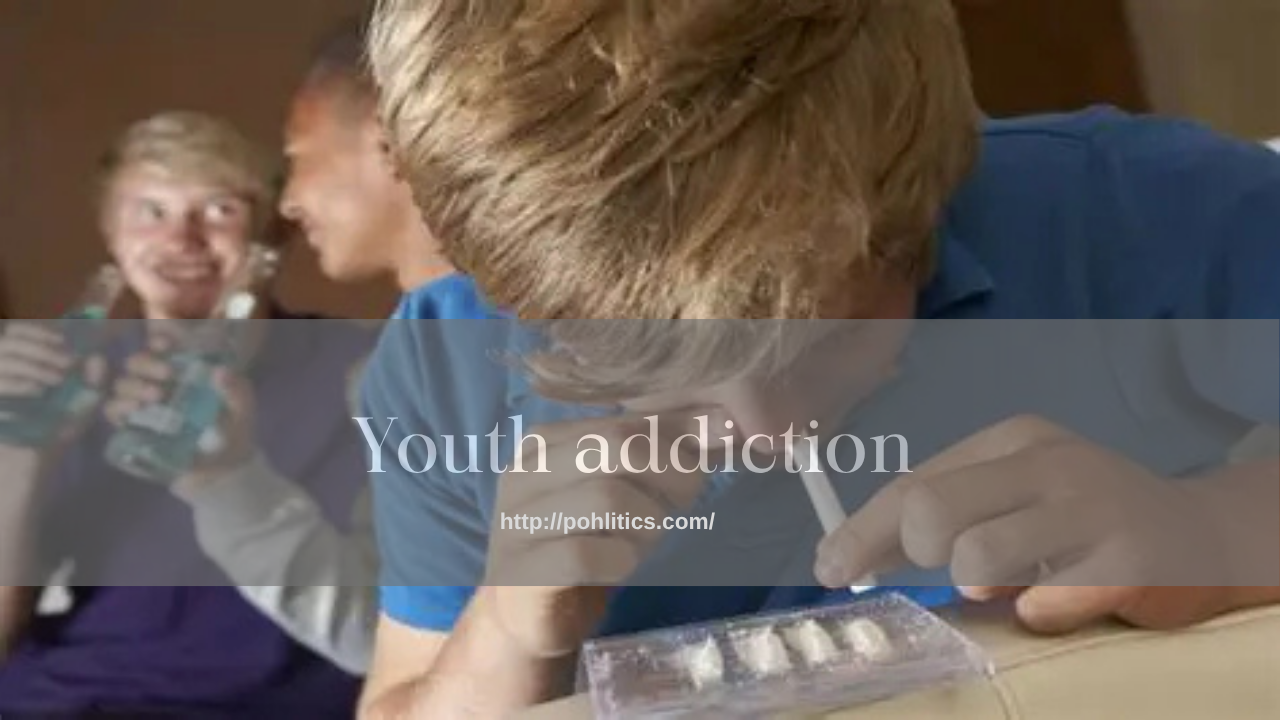
Adolescents and young adults in Michigan face mounting substance use challenges that often go unrecognized—until crisis strikes. In response, the state has developed a growing infrastructure of age‑specific addiction services to guide youth from crisis toward recovery, resilience, and restoration.
🚨 The Crisis Young Michiganders Face
Michigan’s youth battle a range of substance use issues—from alcohol and marijuana to prescription drugs and opioids. The critical period of adolescence overlaps with brain development, meaning early misuse can lead to long-term impacts on mental health, education, and wellbeing.
Specialized Adolescent Services at the Forefront
Adolescent Addiction Recovery Center (AARC), Troy
Located at Children’s Hospital of Michigan, AARC provides outpatient treatment exclusively for under‑18 youth. It offers therapy, psychiatric evaluation, outpatient detox, and long-term recovery care for severe substance use cases—regardless of insurance status or ability to pay.
Henry Ford Health’s Teen Addiction Program
Through Henry Ford Health’s Maplegrove Center, teens receive tailored outpatient care that includes family involvement, behavioral therapy, and coordination with addiction medicine specialists. The program prioritizes comprehensive assessment and support.
Youth in High-Risk Settings
Michigan Youth Treatment Center (MYTC)
MYTC is a secure, state-run facility for young men aged 12‑20 facing juvenile justice involvement. It combines trauma-informed care, cognitive behavioral interventions, education, and family involvement to support recovery and reduce reoffending risk.
Other Settings
Organizations like Ozone House in Ann Arbor offer crisis shelters and transitional programs, including case management and work training for vulnerable youth aged 10–21—helping prevent downstream dependency and homelessness.
Holistic & Peer-Based Supports
Programs like Hope’s Destiny integrate peer support and creative therapies—such as art and music therapy or equine therapy—to help teens express and process trauma while building recovery skills. They also include medication monitoring when MAT is appropriate.
The Michigan Department of Health and Human Services (MDHHS) supports frameworks that include Youth Peer Recovery Coach training, Alateen, SMART Recovery Teen meetings, and connections to Young People in Recovery chapters—promoting community-based peer support and empowerment.
Broader System-Level Improvements
To connect youth with appropriate care, MDHHS launched an upgraded SUD treatment mapping tool via the MI Bridges platform. This searchable resource allows families to find licensed adolescent and young adult treatment providers by ZIP code, service type, and payer acceptance, including Medicaid.
In addition, the expansion of the Health Home program to include alcohol and stimulant disorders and statewide coverage ensures more youth receive integrated, coordinated care through Medicaid—with peer recovery coaches central to managing social determinants of health.
A Journey from Crisis to Comeback
Michigan’s youth addiction treatment landscape reflects a commitment to cutting-edge, evidence-based care across settings:
- Therapy‑focused outpatient centers like AARC and Henry Ford offer tailored clinical treatment.
- Secure treatment facilities, such as MYTC, meet high-risk needs with structure and safety.
- Community nonprofits like Ozone House provide shelter, peer care, and life skills for vulnerable youth.
- Holistic programs like Hope’s Destiny emphasize creative healing and peer connection.
- System-level tools and Medicaid strategies improve access and continuity of care.
Taken together, these resources form a layered safety net—transforming crisis into a hopeful comeback for Michigan’s young people. If you or someone you care about is seeking youth‑specific treatment, explore services via MDHHS, MI Bridges, or trusted local providers today.